

What counts as drinking too much?

0

Liver diseases and alcohol are connected. The liver is one of the most complex and the largest internal organ of the human body. It performs about 500 different roles, like converting food into energy, helping the body get rid of waste, and fighting infections.

And yet, you would not get to know that your liver is damaged, until things get serious. Liver damage remains unnoticed for a long time because of the regenerating and repairing capabilities of the liver. The liver can function normally even with about 80 percent damage. Often by the time liver diseases are diagnosed, the damage is irreversible. Dr. JS Bhogal, Sr. Consultant, Gastroenterology, Fortis Noida talks about liver diseases related to alcohol consumption.

Drinking alcohol can increase the risk of liver diseases. Most of the alcohol is metabolized in the liver. During the process, harmful substances are produced that can damage the liver. However, the liver can recover from mild damages thanks to its repairing capabilities. But if a person continues to drink too much alcohol, it can even lead to death.

There are three stages of alcohol-related liver diseases (ARLD) – alcoholic fatty liver, acute alcoholic hepatitis, and cirrhosis. In the first stage (fatty liver), the fat starts accumulating around the liver. This can be cured by avoiding alcohol. During the second stage (acute hepatitis) the liver starts swelling. In this stage, too much damage can even lead to liver failure. Once in third and the most severe stage of ARLD, cirrhosis the damage cannot be reversed. It can also lead to liver failure.

What counts as drinking too much?

It is important to understand that to what level it is comparatively less risky to consume alcohol. For that people must know how much alcohol they are consuming through their alcoholic beverage. Beers generally contain 2 to 7 percent of alcohol, wines 10 percent to 15 percent, and hard liquors contain 40 – 45 percent of alcohol content. Therefore hard liquors are considered to be most harmful.

When it comes to alcohol and liver diseases, the damage caused to both men and women is different. Women are more vulnerable to liver diseases. Women are at risk if they consume half the quantity of what men are prescribed as safe.

In the case of men, the risk increases if they consume more than 1½ ounce of alcohol per day. 1½ ounce of alcohol means drinking approximately 3 cans of beer / 3 glasses of wine / 3 shots of hard liquor. If a man drinks more than 3 ounces of alcohol a day for 10 years, he is likely to develop cirrhosis.

As discussed before, alcohol is more harmful to women than men. The risk increases in women as their digestive system can process less alcohol, which increases the amount of alcohol that reaches the liver. For women, if they consume more than ¾ ounce of alcohol per day, they are at risk of developing alcohol-related liver diseases.

‘Herd immunity against Covid possible even with 43% of population’

0

Contrary to the decades-old theory that herd immunity against a pandemic is achieved when at least 60 percent population is infected, new research shows it can be done even with 43 percent when differences in age and social activity are considered.

Herd immunity happens when so many people in a community become immune to an infectious disease that stops the disease from spreading. This happens by people contracting the disease and building up natural immunity. When a large percentage of the population becomes immune to a disease, the spread of that disease slows down or stops and the chain of transmission is broken.

According to mathematicians from the University of Nottingham and the University of Stockholm, herd immunity to Covid-19 could be achieved with fewer people being infected than previously estimated.

“Our findings have potential consequences for the current Covid-19 pandemic and the release of lockdown and suggest that individual variation (in activity level) is an important feature to include in models that guide policy,” the authors wrote.

However, the figure of 43 percent should be interpreted as an illustration rather than an exact value or even the best estimate, said the study published in the journal Science.

“By taking this new mathematical approach to estimate the level for herd immunity to be achieved, we found it could potentially be reduced to 43 percent and that this reduction is mainly due to activity level rather than age structure,” explained Professor Frank Ball from the University of Nottingham.

The more socially active the individuals are the more likely they are to get infected than less socially active ones, and they are also more likely to infect people if they become infected.

“Consequently, the herd immunity level is lower when immunity is caused by disease spreading than when immunity comes from vaccination,” Ball explained.

To reach this conclusion, the teams devised a simple model categorizing people into groups reflecting the age and social activity levels.

When differences in age and social activity are incorporated in the model, the herd immunity level got reduced from 60 percent to 43 percent.

This research takes a new mathematical approach to estimate the herd immunity figure for a population by an infectious disease, such as the current COVID-19 pandemic.

For Covid-19, it is often stated that this is around 60 percent, a figure derived from the fraction of the population that must be vaccinated (in advance of an epidemic) to prevent a large outbreak.

Raw mustard oil: Siliguri police’s new weapon against Covid

0

Officials of West Bengal’s Siliguri police commissioner have been directed to use raw mustard oil for daily consumption, as it has been called a new weapon to fight the Covid-19 pandemic by a top officer.

The police personnel has been asked to increase the use of mustard oil in their various daily usages – like putting them into nostrils before stepping out of homes, mix it with puffed rice, aloo chokha (spicy mashed potato) and salad while having tiffin, lunch or dinner at the police canteens.

A directive issued by the Siliguri police commissioner Tripurari Atharv asked all his officials to increase the consumption of edible mustard oil in their food to fight the Coronavirus.

“It was issued keeping in mind the health condition of police personnel in the Siliguri police commissionerate area. It is for the protection of our frontline COVID warriors. It is getting proved as a really effective measure,” said Siliguri deputy commissioner (headquarters) Nima Norbu Bhutia.

Sources said the directive was circulated among all the police stations under the Siliguri commissionerate area. It said that consumption of raw mustard oil is good for human health in the time Covid-19 pandemic situation.

Worst spike of nearly 16K Covid cases, as Delhi overtakes TN

0

India witnessed a spike of almost 16,000 fresh cases of the novel Coronavirus in the past 24 hours taking the total in the country to 4.5 lakh with 465 new deaths, data from the Union Health and Family Welfare Ministry revealed on Wednesday.

India recorded the highest single-day spike of 15,968 new cases, as the total reached 4,56,183 so far. A spike of over 1,000 cases from Tuesday, when 14,933 new COVID-19 cases were reported.

According to the Health Ministry data, 14,476 people have died of COVID in the country.

A total of 1,35,663 more people have recovered than the number of active cases. There are currently 1,83,022 active and 2,58,685 recoveries. The number of patients recovering from COVID-19 continues to rise.

The recovery rate has further improved to almost 56.38 percent amongst the COVID-19 patients.

The number of government labs has been increased to 726 and private labs have increased to 266, summing up to a total of 992.

India conducted 21,51,95 Covid-19 tests on people in the last 24 hours.

Maharashtra remained the worst-hit state in the country with total cases at 1,39,010, including 6,531 deaths.

Delhi took over Tamil Nadu to become the state with the second-highest cases.

The national capital has 66,602 cases and 2,301 deaths followed by Tamil Nadu with 64,603 cases with 833 deaths.

States with more than 10,000 cases include Gujarat with 28,371 cases and 1,710 deaths, Uttar Pradesh (18,893), Rajasthan (15,627), Madhya Pradesh (12,261), West Bengal (14,728) and Haryana (11,520).

Over 9.2 mn Covid cases reported worldwide

0

The global number of COVID-19 cases has increased to over 9.2 million, while the toll surged across 476,900, according to the Johns Hopkins University.

As of Wednesday morning, the total number of cases stood at 9,239,794, while the fatalities increased to 476,945, the University’s Center for Systems Science and Engineering (CSSE) revealed in its latest update.

With 2,346,937 cases and 121,224 deaths, the US continues to lead both on infections and fatalities count, according to the CSSE.

Brazil comes in second place with 1,145,906 infections and 52,645 deaths.

In terms of cases, Russia ranks third (598,878), followed by India (440,215), the UK (307,682), Peru (260,810), Chile (250,767), Spain (246,752), Italy (238,833), Iran (209,970), France (197,804), Germany (192,480), Turkey (190,165), Mexico (191,410), Pakistan (185,034), Saudi Arabia (164,144), Bangladesh (119,198), Canada (103,767) and South Africa (106,108), the CSSE figures showed.

Countries with over 10,000 deaths are the UK (43,011), Italy (34,675), France (29,723), Spain (28,325), Mexico (23,377) and India (14,011).

One more death, 141 new Covid cases in Kerala

0

Kerala Chief Minister Pinarayi Vijayan on Tuesday said one more Covid-19 patient had passed away, taking the total death toll to 22 in the southern state even as 141 more positive cases were detected.

“These 141 new cases include 79 who came from abroad and 52 returnees from within the country. Nine are local infectees and one health professional. The total positive cases now are 1,620,” said Vijayan.

He pointed out that 1,50,196 people were under observation in homes, corona care centers, and in hospitals in Kerala.

“By now, 1.92 lakh corona samples have been tested by various methods and more testing would be done. To date, 3,451 positive cases were registered in the state,” added Vijayan.

He said that if people failed to adhere to COVID-19 norms, strict lockdown guidelines will have to be made.

The Kerala CM was however non-committal on Kerala diaspora requiring a COVID-negative certificate starting from Friday while returning from the Middle East countries.

“Discussions are on with the Centre and we will inform people about the outcome very soon,” said Vijayan.

Among the new fatalities was a 68-year-old Kollam resident who had arrived from Delhi by train to Kochi on June 10. On June 17, the developing corona symptoms and was moved to the local hospital. After he tested corona positive, he was shifted to the Medical College Hospital where he passed away on Tuesday morning.

Meanwhile, Thiruvananthapuram Mayor K. Sreekumar said that restrictions will be imposed in two main city markets and malls for 10 days, wherein only 50 percent of the shops will reopen on every alternate day.

What puts some people at risk of a serious Covid-19 outcome?

0

While knowledge about how Covid-19 impacts different populations are still evolving, research so far has revealed that certain factors like age, diabetes, heart disease, high blood pressure, obesity, genetic factors, and even blood type can influence the severity of the outcome.

According to the US Centers for Disease Control and Prevention (CDC), older adults and people who have severe underlying medical conditions like heart or lung disease or diabetes appear to be at greater risk for developing more serious complications from Covid-19 illness.

In fact, in the US, 8 out of 10 deaths reported have been in adults 65 years old and older, according to the CDC.

The American Heart Association also warned that those with conditions that affect the cardiovascular system, such as heart disease and hypertension, are at greater risk of worse outcome due to Covid-19 complications than those with no preexisting conditions, Live Science reported.

A study published in the journal Clinical Infectious Diseases said that obesity in Covid-19 patients younger than 60 years is a risk factor for the hospital admission.

Another study published as a preprint online in the journal The Lancet Infectious Diseases, also found that obesity, especially in men, significantly increases the risk of developing severe pneumonia in Covid-19 patients.

However, it is not clear why obesity can increase the risk of severe outcomes, although it is generally believed that higher body mass index could be a risk factor for severe infection.

A study even found that people with blood group ‘A’ may be more prone to Covid-19 infection while those with blood type ‘O’ have a lower risk of contracting the virus.

For the study, researchers led by Wang Xinghuan with the Centre for Evidence-Based and Translational Medicine at Zhongnan Hospital of Wuhan University looked at blood group patterns of more than 2,000 infected patients in Wuhan and Shenzhen.

Scientists believe that certain genetic factors can also influence the risk of the severe outcomes.

As reported by Live Science, while certain combinations of human leukocyte antigen (HLA) genes that train immune cells to recognize germs may safeguard people against Covid-19, other combinations may make them more vulnerable, according to a study published in the Journal of Virology.

Hours after announcement, Ramdev told to stop Corona ‘medicine’ ads

0

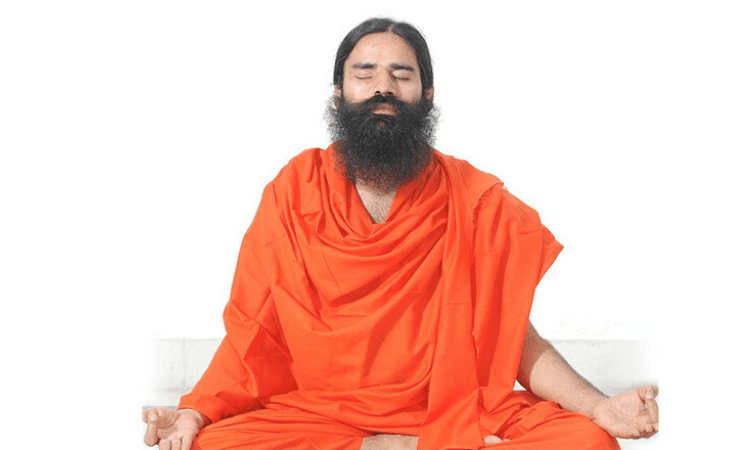
Hours after yoga guru Ramdev came out with a “medicine” for Covid-19, the Centre has asked his Patanjali Ayurved Ltd to stop advertising or publicizing its claims till the issue is “duly examined”.

Taking cognizance of media reports, the Ayush Ministry said that “facts of the claim and details of the stated scientific study are not known to the Ministry”.

It also said that the government has informed the company that such advertisements of drugs including ayurvedic medicines are regulated under the provisions of Drugs and Magic Remedies (Objectionable Advertisements) Act, 1954 and Rules thereunder and the directives issued by the Central Government in the wake of COVID outbreak.

On Tuesday, Ramdev launched Patanjali’s Coronil tablet, which he claims is a cure for Covid-19. Patanjali claims those administered the medicine were fully cured and none died. Ramdev even said that 69 percent of them recovered within 3 days.

The Ayush Ministry also reminded Patanjali of a gazette notification, issued on April 21, asserting what are the requirements and manner of research studies on Covid-19.

A Ministry statement said: “In order to make this Ministry aware of the facts of the aforesaid news and verify the claims, Patanjali Ayurved Ltd has been asked to provide at the earliest details of the name and composition of the medicines being claimed for COVID treatment; site(s)/hospital(s), where the research study was conducted for Covid-19; protocol, sample size, Institutional Ethics Committee clearance, CTRI registration and results in data of the study (ies) and stop advertising/publicizing such claims till the issue is duly examined.”

Earlier, Balkrishna, Ramdev’s close aide, and MD of Patanjali Ayurved said: “We appointed a team of scientists after COVID-19 outbreak” and that Patanjali conducted a clinical case study on hundreds of positive patients.

Meanwhile, the Ministry has also asked the Uttarakhand government’s licensing authority to provide copies of license and product approval details of the ayurvedic medicines which the yoga guru claimed, treats Covid-19, a global pandemic that has the world worried.

Germany slaughterhouse COVID-19 outbreak sparks fresh lockdown

0

German authorities were re-introducing local lockdown measures after a fresh coronavirus outbreak was reported at a slaughterhouse in North Rhine-Westphalia state, the media reported on Tuesday.

More than 1,300 employees of Tonnie’s meatpacking plant have now tested positive for the virus, reports the BBC.

On Tuesday, North Rhine-Westphalia state premier Armin Laschet said restrictions will return in the Gotersloh district, where the plant is located and is home to about 360,000 people.

It is the first return of containment measures since Germany began lifting its COVID-19 lockdown in May.

Laschet said the lockdown would last until June 30, and described the move as a “preventative measure”.

The premier described the outbreak linked to the nearby Tonnies meatpacking plant as the “biggest infection incident” in the country.

“We have decided that further measures are necessary,” he was quoted as saying by the BBC.

Bars, museums, cinemas, and gyms have been ordered to close, along with social distancing measures back in force.

There will also be a mandatory quarantine for all employees of the affected plant. Extra police will be deployed to enforce the measures, accompanied by translators to speak to migrant workers.

Germany was widely praised for its response to the pandemic but there are concerns infections are rising again.

Lothar Wieler, head of the nation’s public health body the Robert Koch Institute (RKI), told reporters on Tuesday the country was at risk of a second wave of infections but said he was optimistic they could prevent it.

Currently, the reproduction rate, the R number which indicates how many people one infected person can pass the virus to, in Germany is estimated at 2.76.

The R number must be below one for infection rates to fall.

As of Tuesday, Germany reported a total of 191,768 COVID-19 cases, with 8,909 deaths.

COVID-19: England squad to be tested again before training camp

0

England’s 30-member squad on Tuesday will undergo a second round of COVID-19 testing following their arrival at the Ageas Bowl for the training camp starting Thursday.

The preparatory camp is being held ahead of England’s three-match Test series against West Indies, starting July 8, which will also mark the resumption of cricket after the sport was suspended in March due to coronavirus pandemic.

According to a report in Daily Mail, all 30 players had tested negative in the first round of tests but will have to isolate themselves till the results of the second round of tests are out.

Following the training camp, the players will also take part in a three-day practice match starting July 1. After this, the squad will be shortened to a team of 20 for the much-anticipated Test series.

West Indies had famously beaten England during the previous series between the two sides that were played in the Caribbean islands. A draw in the series would be enough for them to retain the Wisden trophy.

England’s training group: Moeen Ali, James Anderson, Jofra Archer, Jonathan Bairstow, Dominic Bess, James Bracey, Stuart Broad, Rory Burns, Jos Buttler, Zak Crawley, Sam Curran, Joe Denly, Ben Foakes, Lewis Gregory, Keaton Jennings, Dan Lawrence, Jack Leach, Saqib Mahmood, Craig Overton, Jamie Overton, Matthew Parkinson, Ollie Pope, Ollie Robinson, Joe Root, Dom Sibley, Ben Stokes, Olly Stone, Amar Virdi, Chris Woakes, and Mark Wood.