

DIY Ayurvedic drinks for summers

0

In summers, dehydration is common amongst people of all age groups. The scorching heat makes us sweat more, consequently, the average water intake (1.5l or 2l) seems too less for our body. Drinking water all day, again and again, is what people find tiring. However, one can drink water by eating solid, that is, fruits and vegetables. Watermelon, cucumber, cantaloupe (kharbooja), and spinach are a few of the great sources of water. All of these have nearly 90 percent of water and anti-oxidants required to hydrate our skin and body from within. Ancient Indian scriptures recommend following an Ayurvedic seasonal regimen to maintain our energy, health and vitality during the harsh summers.

Dr. Partap Chauhan, Director, Jiva Ayurveda shares a few summer drink recipes that can help to cool your body on a hot summer day

Amla Juice
Amla is one of the most beneficial gifts of nature. In Ayurveda, Amla finds frequent use in many formulations and treatments. Amla (Indian Gooseberry) is a rich source of Vitamin C, Calcium, potassium, iron, and Vitamin B-Complex. According to Hindu mythology, God Vishnu is said to reside in Amla trees and the tree is worshipped in Amlaki Ekadashi. The reason for so much respect for the green fleshy fruit comes from the fact that besides being a wealth of Vitamin C, this is also a very rich source of antioxidants that fights free radicals. The abundance of Vitamin C in Amla helps in keeping the hair black and fights infections.

Ingredients
Fresh Amla (Indian Gooseberry) – 1 kilogram, Sugar – 1 kilogram, Ginger – 250 Grams, Fresh Lemon – 10 to 15, Salt – 2 Heaped Teaspoons
Method
Cut the gooseberries in small pieces and mix with salt and let it stand for two hours.
In a pan, add the sugar with water and bring it to a boil to make syrup. Set it aside to cool.
Wash the salted amla in clean water, put it in a juicer and extract the juice.
Now add ginger juice and lemon juice to the amla juice.
Finally, add sugar syrup and store in glass bottle.
Serve by adding 1-part Amla juice to 5 parts water.

Kesar Chandan Thandai Recipe
During summers or otherwise, it’s important to keep the body well. Adequate intake of fluids keeps us physically as well as mentally active and the vital organs running optimally.

A cold, milk-based thandai that is very popular in India during the summers. This one is made from kesar (saffron) and Chandan (sandalwood paste), and it’s an excellent drink to have after long, tiring day at work. It’s refreshing, calms the body, and is full of essential nutrients. Sandalwood is a natural coolant. It helps bring down the body temperature. Sandalwood and saffron are extremely helpful in regulating the vatta and pitta in the body.

Ingredients
Saffron – 12-15 strands, Almonds – 100gm, Sandalwood powder – 25gm, Saunf (Fennel seeds) – 25gm, Khus-khus (Poppy seeds) – 25gm, Muskmelon seeds – 25gm, Dry ginger powder – 1 tablespoon, Black pepper – 1 tablespoon, Gulkand (Rose petal preserve) – 100gm, Sugar – 750gm, Water – 4 cups
Method
Soak the sandalwood power in water for 8-10 hours. Drain the water out and don’t throw the water away.
Soak the saffron in a cup of water. In the meanwhile, dissolve the sugar in hot water and make a thick paste. Into this, add the saffron and sandalwood water. Let it cool.
Soak almonds, fennel, black pepper, khus-khus, and muskmelon seeds in separate cups of water. After 6-7 hours, drain the excess water and peel the skin off the almonds. Grind all ingredients to a fine paste.
Add this mixture into the sugar-saffron-sandalwood paste we prepared in step 2. Now add gulkand and dry ginger powder to it.

Namkeen Sattu Cooler
Sattu is rich in fibre and aids in digestion. Sattu cooler is one of the popular drinks that originated from Bihar and it is known for its cooling properties.

Ingredients
Sattu (roasted gram) flour – 3 tbsp, Chilled Water – 2 glasses, Lemon – 1, Crushed Mint (pudina) – 8 leaves, Black Salt (kaala namak) – ¾ tsp, Cumin powder (jeera)- ½ tsp, Black Pepper (kaali mirch)- a pinch, Salt- ¼ tsp
Method
Combine the sattu flour and water together in a large bowl.
Add the lemon juice, mint leaves, black salt, cumin powder, black pepper powder and salt.
Pour into glasses, add ice cubes and garnish with mint leaves

Cool & Refreshing Falsa Sherbet
Falsa isn’t just a delicious fruit; it’s also full of goodness. For centuries, it’s been used as a treatment for liver and gall bladder problems. Since its rich in flavonoids, faalsa also helps protect against cancer. Faalsa purifies the blood, regulates cholesterol and blood pressure, prevents cough and cold, and relieves digestive problems like indigestion and acidity. Finally, it fights depression, builds stamina, cures insomnia, and works as an excellent cooling agent.

While most people enjoy having faalsa raw, you can also make a sherbet that is as delicious as it’s refreshing.

Ingredients
250 gms falsa, 1 litre water, 1tsp powdered cumin, 1 tsp rock salt, 125 gm Jaggery powder
Method
Soak falsa in water for half an hour. Dry the berries and sprinkle with salt. Leave them to macerate.
Mash well with a spoon and strain the softened berries through a sieve. Make sure you separate the seeds from the pulp.
To this falsa concentrate add powdered cumin (jeera), rock salt, and jaggery. If you want you can switch jaggery with other sweeteners like sugar or honey.
Add a litre of water and mix well.
Pour into glasses, add a few ice cubes, garnish with mint leaves, and serve.

How hypertension can affect male fertility

0

Hypertension or high blood pressure has become a common problem because of the lifestyle we lead. From our food habits to sleep patterns, to the levels of stress, all of these are major contributors. Through several types of research, it has been found that hypertension is known to affect about 700 million men in the reproductive age group.

As the age of paternity rises in the developed world, issues of chronic disease may affect prospective fathers. Given the high prevalence of hypertension, researchers have begun to explore the relationship between hypertension and fertility-related issues in men as well.

The current literature suggests an association between hypertension and semen quality. We know that hypertension affects the heart, brain, kidneys, and eyes. It is also an inseparable part of metabolic syndrome which also includes obesity, diabetes mellitus, and dyslipidemia, says Dr. Praveen Joshi, UroAndrologist, Cloudnine Group of Hospitals, Bengaluru.

But what we have ignored so far is the connection between hypertension and male fertility problems. Poor seminal parameters in men has become an area of global interest as they present higher mortality compared to normal semen analysis group, says the expert.

Dr. Joshi explains how hypertension can affect male fertility either directly or indirectly:

Direct effect: Hypertension has been found to cause structural changes in the testis which leads to inefficient functioning. Men with hypertension were found to be more likely to have one or more semen abnormalities compared to normotensive men. It has been found that hypertensive men have lower semen volume, lesser sperm concentration (number of sperms), and total motile sperms (capacity of the sperms to be forward). Some of the studies have shown that hypertension is associated with alterations in semen quality, evidenced by abnormal sperm morphology (normal-appearing sperms) and increased sperm DNA fragmentation (Fragmented DNA or poor genetic content of the sperm). This not only worsens the chances of conception but also increases the risk of miscarriages by 15% -20%

In fact, a study evaluating the relation between HTN and endocrine disorders revealed lower serum testosterone. Testosterone is found to be 10% lower compared to normotensive men. And Testosterone is necessary for sperm production and maturation process of sperms.

Indirect Impact of Hypertension
Other known risk factors that have been linked to Hypertension and fertility-related issues in men are as follows. It is usually associated with other metabolic comorbidities like Diabetes Mellitus, Dyslipidemia, Obesity, and Insulin Resistance. Hypertension can cause erectile dysfunction which may make it difficult for the couple to try for natural conception. In fact, Erectile Dysfunction can be considered as an early warning of cardiovascular illness and is predicted to precede a major heart attack by 5-7 yrs.

Sometimes the medications for HTN can be associated with semen abnormalities. Of all the groups of antihypertensives, beta-blockers have been found to have the highest abnormalities in semen parameters. The use of beta-blockers was associated with lower semen volume, sperm concentration, motility, total sperm count, and total motile sperm count.

So it is very important to know your health. It cannot be emphasized more to consult your doctor regularly in order to identify and control hypertension. One must do regular exercise to prevent metabolic syndrome and prevent obesity and Diabetes. The reproductive health of a man is becoming a window to his overall health. Awareness about these issues not only allows to prevent infertility issues but also allows to avoid cardiovascular complications.

Above all:

Examine how your job is affecting your health. If your job is extremely demanding, reducing the amount of heavy lifting you do could be beneficial.
Combat high blood pressure with a healthy diet and appropriate physical activity.
Maintain a healthy weight.
Practice stress management techniques.

American parents concerned more about ticks than mosquitoes

0

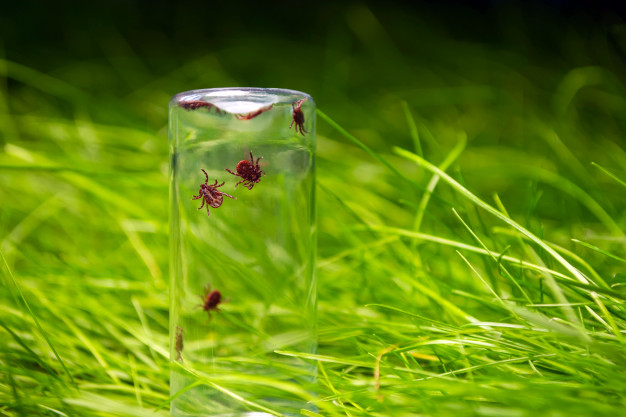
When it comes to bug bites, most parents in the US are twice as likely to be concerned about ticks as they are about mosquitoes transmitting disease, a new poll has revealed.

Just one in three parents use a bug repellent on their child that contains DEET, which is most effective in repelling mosquitos bit is less effective in repelling ticks, according to the C.S. Mott Children’s Hospital National Poll on Children’s Health at Michigan Medicine.

“Many bug bites from mosquitoes and ticks will cause irritation or discomfort for children. But in some less common instances, they may also potentially transmit disease,” said poll co-director Gary L Freed from C.S. Mott Children’s Hospital National Poll on Children’s Health at Michigan Medicine.

Among diseases, ticks may carry is Lyme Disease, a potentially serious bacterial infection that can cause flu-like symptoms and joint pain and weakness in the limbs.

“But as children spend more time outside, families may not always know the best way to protect them from both of these pesky insects,” the findings showed.

Among parents who use bug repellent, just one in three use ones containing N, N-Diethyl-meta-Toluamide (DEET) – which is most effective against.

“Choosing the appropriate bug repellent can be confusing for parents.

“Some may protect against mosquitos but not ticks, for example. Parents should research the options and recommendations before deciding what to use based on their child’s age and their outdoor plans,” said Freed.

Most parents said they usually use bug spray for their children, but they are more likely to do so in wooded and swampy areas than at a local park or in their yard or neighborhood.

The best repellant for ticks is permethrin, but it should only be sprayed on clothing and never directly on the skin.

Nearly half of parents polled choose a repellent specifically advertised for children while 30 percent use “natural” or homemade products.

Oil of lemon eucalyptus is among recommended alternatives for those who prefer a chemical-free repellent but should only be used for children over three years.

Parents say they often have their child wear long pants and sleeves, light-colored clothing or always wear shoes. About one in five parents have their child avoid soaps or shampoos with a floral scent.

“Because some mosquitoes and ticks may carry certain diseases, parents should contact their child’s health care provider if their child develops fever, headache, or body aches within 3-14 days of a bite,” Freed said.

Experts recommend using tweezers as a first choice, grasping the tick close to where it’s attached and pulling straight up without twisting or crushing the insect.

Lockdown helped lower Covid spread in K’taka, official quotes survey

0

The Covid lockdown measures have been successful in keeping the coronavirus transmission low in Karnataka, an official said on Saturday quoting a national survey undertaken in the southern state in May.

“Measures taken during the lockdown have been successful in keeping the transmission low and in preventing the rapid spread of Covid,” the health official said, quoting the National COVID Sero-Surveillance report.

The Sero-Surveillance study was conducted jointly by the Indian Council of Medical Research (ICMR), National Tuberculosis Institute, and the government of Karnataka in May at Chitradurga, Bengaluru, and Kalaburagi.

According to the survey, 0.25 percent of the surveyed people in Bengaluru and Kalaburagi exhibited evidence of exposure to the pandemic, which the survey claims as a successful outcome of the lockdown.

“This implies that a large portion of the population must continue to follow precautionary measures as suggested by the government from time to time,” the official said.

For the survey, 400 samples were tested in Chitradurga and Bengaluru and 399 in Kalaburagi. However, it was only a baseline survey and the government is looking forward to further rounds.

Among the tested samples, one each person tested positive for the virus in Bengaluru and Kalaburagi, showing an unweighted prevalence percentage of 0.25

By the end of Saturday, Karnataka is grappling with 6,824 infections, of which 3,092 are active.

Price fixing lawsuit in US against Sun Pharma, Aurobindo, Lupin

0

Sun Pharma, Lupin and Aurobindo Pharma are among the pharmaceutical companies named in a fresh suit filed in the US for price-fixing.

The lawsuit mentions 26 drug makers for alleged “conspiracy to artificially inflate and manipulate prices, reduce competition, and unreasonably restrain trade for generic drugs sold across the US”.

New York Attorney General Letitia James announced on Twitter: “I’m filing a lawsuit with 51 AGs against executives & manufacturers of generic drugs for allegedly engaging in years of price-fixing & market manipulation of over 80 generic drugs. These companies put profits over public health & it’s time for them to be held accountable.”

The civil lawsuit, filed and supported by 51 Attorneys General of US states, lists 80 generic drugs, most of which belong to the topical dermatology segment. It also names Taro, a Sun Pharma subsidiary, as one of the three key conspirators, along with Sandoz (which acquired Fougera) and Perrigo, as these firms accounted for nearly two-thirds of generic topical volumes in US between 2007 to 2014.

The key allegation is collusion among competing generic drug makers to unlawfully allocate market share and fix prices of various drugs, in violation of the Sherman Act. It also extends the timeline further back to 2009, thus bringing in a longer period and, consequently, higher sales of manufacturers, into question.

According to a report by Credit Suisse, Aurobindo has been added as a defendant as one of the charged executives and one of the cooperating witnesses, who were earlier working with G&W and Fougera, respectively, had taken up employment at Aurobindo and allegedly continued their anti-competitive conduct.

For Lupin, only one drug has been charged while for Sun Pharma, three drugs have been listed. Among other Indian players, Glenmark and Wockhardt are included as defendants in the current lawsuit, the report said.

There are fresh charges against two more Taro executives. In addition to Ara Aprahamian, who is currently engaged in criminal litigation against US Department of Justice (DoJ) and was also named in an earlier lawsuit, the current filing also presses charges against Mitchell Blashinsky, former Vice President of Marketing for Generics at Taro, and Mike Perfetto, former Chief Commercial Officer at Taro. This is on account of the fresh evidence obtained in the current civil lawsuit.

The current lawsuit includes 39 drugs marketed by Taro, which are alleged to have benefited from a coordinated price increase. It lists multiple drugs, which have been included for the first time, thereby potentially increasing the risk of a higher penalty for Taro, the report said.

Aprahamian was arrested on February 4 and the criminal proceedings are currently going on. It is separate from this civil lawsuit, which in itself is a follow-up to two earlier civil lawsuits concerning generic price-fixing in the US. In a criminal investigation by DoJ, several generic firms, including Sandoz and Apotex, have already been settled and ex-Sandoz executive, Hector Armando Kellum, had pleaded guilty in February.

“Without taking into account new drugs named in the current lawsuit, we estimate that sales exposure of Taro is already more than $1billion. In March 2020, Sandoz entered into a deferred prosecution agreement and announced a penalty of $380 million on sales exposure of $500 million,” the report said.

Credit Suisse said its target multiples are based on Sun Pharma’s historical multiple averages (past five years), and assigning a higher multiple of 25x to the India business.

“We assign a lower multiple of 15x to US (ex-Taro) and other export markets, and also build in the risk of penalty from DoJ investigation against Taro (Sun Pharma’s subsidiary)”, it said.

The downside risks to the target price and neutral rating for Sun Pharmaceuticals Industries Ltd include: Sun Pharma is unable to shift Absorica market to the new lower-dose formulation (Absorica LD) before December, the Department of Justice investigation culminates in a large penalty, and a sharp increase in Sun Pharma’s tax rate.

153 healthcare professionals in Telangana test positive

0

As many as 153 healthcare professionals in Telangana have tested positive for Covid-19, the state government said on Monday.

None of the affected is in critical condition and they are all recovering.

This was stated by officials during a meeting convened by Chief Minister K. Chandrashekhar Rao to review the covid situation.

They alleged that some people are trying to demoralize the healthcare personnel by stating that doctors and other medical staff were getting affected by Covid-19.

The government said healthcare personnel across the world were getting affected while treating Covid-19 patients and this was not happening only in Telangana. It pointed out that 480 healthcare professionals in AIIMS Delhi were infected.

Health department officials and experts said that the government hospitals have the capacity to treat any number of Covid patients. They said the government was ready with infrastructure and equipment to treat Covid patients.

The meeting observed that some individuals and media houses were running a false campaign creating confusion among people.

They expressed a doubt that there may be some conspiracy behind this malicious propaganda. They clarified that in Gandhi Hospital where there is a capacity to treat more than 2,000 patients, only 247 Covid patients are there. Some vested interests are spreading rumors that the Gandhi Hospital is overflowing with the Covid patients.

They said since some people have filed the PILs in the court, they were made to make rounds around the court and it was creating problems for them to offer medical services to the needy. They said it was not possible to conduct COVID tests on all those who died and the High Court’s direction in this regard cannot be implemented. They urged the state government to appeal to the Supreme Court.

The CM clarified that every individual should be cautious and should not worry unnecessarily about the corona. He said there are no symptoms to many people who have the Corona, but a small number of those who are having other diseases are falling seriously sick. The government is taking all measures to contain the virus. But yet the same time, people should follow personal hygiene, take the necessary precautions. The CM declared that even if the Coronavirus cases are large in number, the government is ready to offer the treatment. He said according to ICMR guidelines, those patients who are in serious condition were treated in the hospitals, those asymptomatic patients are treated at home, the CM said.

Meanwhile, Telangana on Monday reported 92 Covid-19 positive cases, taking the state’s tally to 3,742. With five more fatalities, the death toll rose to 142.

Repetitive negative thinking linked to dementia in later life

0

Are you a negative thinker? Read this carefully. Researchers have found that repetitive negative thinking in later life may raise the risk of Alzheimer’s disease.

The findings, published in the journal Alzheimer’s & Dementia, revealed that persistently engaging in negative thinking patterns was linked to cognitive decline and greater deposits of two harmful proteins responsible for Alzheimer’s disease.

“Here, we found that certain thinking patterns implicated in depression and anxiety could be an underlying reason why people with those disorders are more likely to develop dementia,” study lead author Natalie Marchant from the University College London in the UK.

In the study, the research team studied 292 people aged over 55 and found ‘repetitive negative thinking’ (RNT) is linked to subsequent cognitive decline as well as the deposition of harmful brain proteins linked to Alzheimer’s.

Over a period of two years, the study participants responded to questions about how they typically think about negative experiences, focusing on the RNT patterns like rumination about the past and worry about the future.

The participants also completed measures of depression and anxiety symptoms.

Their cognitive function was assessed, measuring memory, attention, spatial cognition, and language.

Some (113) of the participants also underwent the PET brain scans, measuring deposits of tau and amyloid, two proteins which cause the most common type of dementia, Alzheimer’s disease, when they build up in the brain.

The findings showed that people who exhibited higher RNT patterns experienced more cognitive decline over a four-year period, and declines in memory (which is among the earlier signs of Alzheimer’s disease).

They were more likely to have amyloid and tau deposits in their brain.

Depression and anxiety were associated with subsequent cognitive decline but not with either amyloid or tau deposition, suggesting that RNT could be the main reason why depression and anxiety contribute to Alzheimer’s disease risk.

“We propose that repetitive negative thinking maybe a new risk factor for dementia as it could contribute to dementia in a unique way,” Marchant said.

The researchers suggest that RNT may contribute to Alzheimer’s risk via its impact on indicators of stress such as high blood pressure, as other studies have found that physiological stress can contribute to amyloid and tau deposition.

They noted that RNT should now be further investigated as a potential risk factor for dementia, and psychological tools, such as mindfulness or meditation, should be studied to see if these could reduce dementia risk.

Indian-origin doctor who survived Covid-19 working on drugs to beat it

0

An Indian-origin doctor who survived COVID-19 is now working on programmes to develop medicines to treat the disease while also treating coronavirus patients with empathy informed by her own experience, according to a media report.

Aakriti Pandita, who was the first healthcare worker (HCW) to come down with the disease in Rhode Island, told the Providence Journal, “That changed me as a clinician.”

The newspaper said, “She’s able to speak from experience when she tells her patients that there’s light at the end of the tunnel. There was for her, too.”

She has expressed concern over the safety of HCWs being overcome by the disease. A shortage of personal protection equipment has exacerbated the problem.

Pandita tweeted, “Limited data shows at least 45 HCWs in the US have already lost their lives. The question is how long are we willing to wait? What is the sweet number that will shake soul of this nation?”

Among the HCWs killed by COVID-19 in the US are Indian-origin father and daughter, both doctors. Satyender Dev Khanna and his daughter, Priya Khanna, died in April after being infected by the disease while treating patients in New Jersey.

Pandita, who is an infectious disease specialist, is now involved in clinical studies on investigational drugs for COVID-19 helping enroll patients and following up their treatment to figure out if the treatments work, according to the Journal.

She told the newspaper about COVID-19: “It’s difficult, and it’s mysterious. But it won’t be mysterious for that long. I think it’s just a matter of time before we figure it out.”

Pandita, 31, grew up in Delhi, where her father is a doctor, and studied medicine in Kashmir before coming to the US.

She is pursuing a fellowship in infectious disease at Ivy League Brown University in Providence and practising at Lifespan hospitals treating patients who have ailments ranging from staph infections to HIV, the newspaper said.

As one of the first people to come down with the disease in Rhode Island state, her diagnosis proved to be a problem because she had not travelled abroad or had direct contact with a known COVID-19 patient.

She developed symptoms of the disease in late February after a trip to Colorado state, where she is going take up a position as an attending physician soon.

Although she felt that it was more than a bacterial infection and probably COVID-19, doctors were sceptical and her persistence finally got her tested on March 9 confirming her fears, according to the Journal.

She told the newspaper, “It was an unsettling question for me: How many cases did we miss in those early days because of our lack of understanding of this disease?”

The Journal said it was likely that she was infected at an airport.

She, however, got better without going to a hospital and after tested negative twice for the coronavirus, she went back to work.

She now advocates for more work in the field of infectious diseases.

“Pandemics like this, it really reminds us that we need more work in the fields of infectious diseases,” she told the Journal.

Yet another improvement thanks to lockdown, your resting heart rate

0

From January to April 2020, the resting heart rate of Indians has improved – showing a drop for the general population, and even more so for younger users. On an average resting heart rate dropped by 2.56 beats per minute in female users aged between 18-29 and 2.35 beats per minute in male users aged between 18-29, which may not sound like a lot, but is a statistically significant change, shows Fitbit data.

Resting heart rate is the number of times your heart beats per minute when still at rest. This metric can be an important indicator of fitness level and overall heart health. Not only can it be used to track fitness level, but it can also alert about potential health issues such as illness, high stress levels, sleep deprivation, dehydration, overtraining, and underlying medical conditions.

According to the fitness tracking brand, two important trends that could be contributing to the decline in resting heart rate for Fitbit users from January to April are an increase in sleep duration and decrease in bedtime variability.

“The average sleep duration in India increased by 13.81 minutes. This is great news, especially because not getting enough sleep can have a negative impact on resting heart rate. Not getting enough sleep is a risk factor for cardiovascular disease.

“During normal times, people (particularly young people) tend to go to bed later on the weekends, often leading to social jet lag, which can impact heart health. Not only are people going to bed earlier on the weekends since they are no longer going out, but they are also going to bed later on weekdays, leading to more consistent bedtime. Our data shows that Indians reduced their bedtime variability by 7.7 minutes,” Fitbit said.

With many Indians still staying and working from home, and daily schedules constantly changing given Unlock 1.0 guidelines, the impact of COVID-19 on the overall wellness of Indians shows that even though step count has gone down, heart health has improved.

As per the brand, younger users from many other countries experienced the largest decline in resting heart rate and, across age groups, India, Spain, Mexico, France, and Singapore saw the biggest improvements.

The population of Sweden, a country that did not have a shelter -in-place lockdown enforced, did not experience resting heart rate improvements, while most age groups in Australia experienced smaller or no improvements when compared with other countries.

Calling these findings encouraging, Fitbit said it is happy to see users adapting their behavior and still prioritizing their health and fitness.

Rajasthan becomes 5th state to cross 10K Covid cases

0

The number of COVID-19 patients in Rajasthan crossed the 10,000-mark with 218 deaths reported till Friday night, said Additional Chief Secretary Rohit Kumar Singh on Saturday morning.

The state has become fifth in the country to cross the figure of 10,000 after Maharashtra, Tamil Nadu, Delhi, and Gujarat.

Rajasthan now has a cumulative 10,084 positive patients, out of which 7,359 have recovered. A total of 6,818 have been discharged, leaving behind 2,507 active cases.

Out of the 10,084 cases, 2,913 are migrants who have come from different states during the lockdown, Singh said.

The state so far has collected 4,80,910 samples out of which results of 5,477 samples are awaited.

All 33 districts of the state stand infected with COVID-19 while Jaipur stands on top with 2,152 COVID-19 patients, which is followed by Jodhpur where 1,706 patients have been reported positive.

Udaipur has 577 patients, Pali has 573 patients, Kota (503), Bharatpur (546), Ajmer (362), Alwar (82), Banswara (85), Baran (57), Barmer (105), Bhilwara (163), Bikaner (109), Bundi (4), Chittaurgarh (188), Churu (142), Dausa (62), Dholpur (65), Dungarpur (373), Ganganagar (7), Hanumangarh (30), Jaisalmer (74), Jalore (168), Jhalawar (326), Jhunjhunu (157), Karauli (20), Kota (503), Nagaur (490), Pali (573), Pratapgarh (14), Rajsamand (160), Sikar (260), Sawai Madhopur (24), Sikar (260), Sirohi (191) and Tonk has 169 positive cases.