
Fitbit introduces low-cost emergency ventilator for Covid-19 patients

0

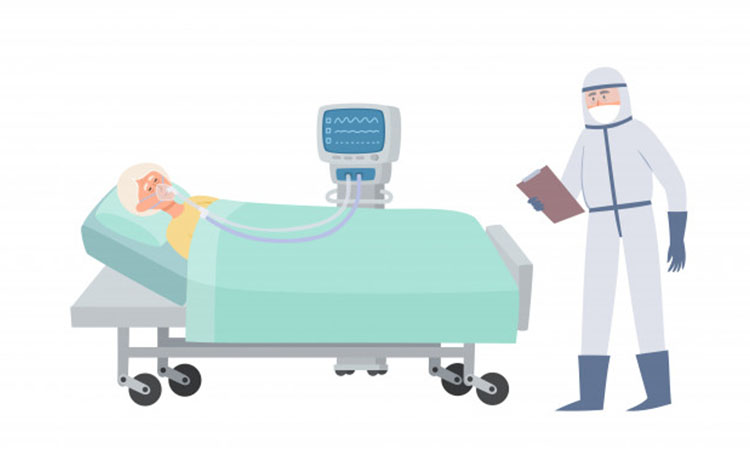
Global wearable brand Fitbit on Thursday announced that it has developed a high-quality, low-cost and easy-to-use emergency ventilator called Fitbit Flow to meet global needs during the Covid-19 pandemic.

The ventilator has obtained an Emergency Use Authorisation (EUA) from the US Food & Drug Administration (FDA).
‘Fitbit Flow’ builds on standard resuscitator bags, like those used by paramedics, with sophisticated instruments, sensors, and alarms that work together to support automated compressions and patient monitoring, the company said in a statement.

The device is designed to be intuitive and simple to use, potentially helping to reduce the strain on specialized staff who are typically needed to operate a commercial ventilator.

To develop and test ‘Fitbit Flow’, the company worked with emergency medicine clinicians caring for Covid-19 patients at the Oregon Health & Science University (OHSU) Hospital in the US.

“We saw an opportunity to rally our expertise in advanced sensor development, manufacturing, and our global supply chain to address the critical and ongoing need for ventilators and help make a difference in the global fight against this virus,” James Park, co-founder and CEO of Fitbit, said in a statement.

Other similar emergency ventilators vary in the combination of features they offer, but according to the Fitbit, it believes that none delivers all of the attributes of its device at the same lower price range.

According to the company, the goal is to supply these devices to health care systems around the world that do not have a sufficient number of traditional commercial ventilators.

‘Fitbit Flow’ is designed to be used only when a traditional commercial ventilator is not available.

“Fitbit Flow is a great example of the incredible innovation that emerges when academia and industry employ problem-based innovation to respond quickly to an important need,” said David Sheridan, Assistant Professor at OHSU.


Romantic relationships help breast cancer survivors cut stress

0

Breast cancer survivors in romantic relationships who feel happy and satisfied with their partners may be at lower risk for a host of health problems, says a study.

The findings, published in the journal Psychoneuroendocrinology, suggest that women who were satisfied in their relationships also reported lower psychological stress – and these two factors were associated with lower markers for inflammation in their blood.

Keeping inflammation at bay is the key to promoting health generally, and especially in breast cancer survivors, researchers said.

“Our findings suggest that this close partnership can boost their bond as a couple and also promote survivors’ health even during a very stressful time when they’re dealing with cancer,” said study lead author Rosie Shroutv from the Ohio State University in the US.

For the findings, the 139 women with an average age of 55 completed self-report questionnaires and provided blood samples at three visits: upon recruitment within one to three months of their cancer diagnosis and during two follow-up visits six and 18 months after their cancer treatment ended.

One survey assessed relationship satisfaction by asking the women to report their degree of happiness, the level of warmth and comfort they felt with their partner, how rewarding the relationship was and their overall satisfaction.

The other questionnaire was used to evaluate their level of perceived psychological stress over the previous week.

Researchers analyzed blood samples for levels of four proteins that promote inflammation throughout the body even when there is no need for an immune response.

This kind of chronic inflammation is linked to numerous health problems, including heart disease, Type 2 diabetes, arthritis and Alzheimer’s disease, as well as the frailty and functional decline that can accompany ageing.

The findings showed a clear trend in the women as a group: The more satisfied they felt about their romantic relationships, the lower their perceived stress and the lower their inflammation.

The design of the study allowed researchers to compare the group of women to each other and also gauge changes in each woman individually.

“This gave us a unique perspective – we found that when a woman was particularly satisfied with her relationship, she had lower stress and lower inflammation than usual – lower than her own average,” Shrout said.

“At a specific visit, if she was satisfied with her partner, her own inflammation was lower at that visit than at a different visit when she was less satisfied,” she added.

The research shows the importance of fostering survivors’ relationships. It could promote their health over the long run,” the authors wrote.

Bachchan to feature in Punjab’s Covid war song

0

As part of the states battle against Covid-19, Punjab Chief Minister Amarinder Singh on Tuesday launched the ‘Mission Fateh’ song featuring Bollywood megastar Amitabh Bachchan, Kareena Kapoor, Gurdass Maan and Harbhajan Singh, besides a star-studded line up of personalities from sports and Punjabi cinema.

Urging everyone to come forward and complement the state’s efforts to save precious lives by disseminating information about the preventive measures, the Chief Minister said that with the cooperation from everyone, Punjab has been successful in controlling the spread of the virus to a great extent.

The war has not ended, he underlined, urging people to remain vigilant and keep following all social distancing norms.

The song, which also features local boy Sonu Sood alongside Punjab Police poster boy ASI Harjit Singh and TikTok sensation Noor, has been sung by Punjabi music director and singer B. Praak.

The song is a unique initiative to give the message of maintaining social distancing, wearing masks while going out and washing hands regularly to achieve ‘Fateh’, or victory, over the pandemic.

Soha Ali Khan, Randeep Hooda and Rannvijay, besides the who’s who of Punjabi film and music industry, including Gippy Grewal, Ammy Virk, Jazzy B, Binnu Dhillon, Pammi Bai, Jasbir Jassi, Rajwir Jawanda, Rubina Bajwa Kulwinder Billa, Karamjit Anmol, Singga, Tarsem Jassar, Lakhwinder Wadali, Harjit Harman, Gurnazar, Babbal Rai, Jaani, Kulraj Randhawa, Shivjot, Happy Raikoti, Afsana Khan, Ninja, Aatish, Tanishq Kaur and Aarushi, featured in the song.

The song, which has also been uploaded on the Facebook page of Amarinder Singh, also featured prominent sports personalities including cricketer Harbhajan Singh, Anjum Moudgill and Avneet Sidhu. Praak has already won accolades for his patriotic song ‘Teri Mitti’.

The song will also be broadcast on various television and radio channels so that the message of collectively fighting the pandemic reaches everyone in Punjab.

Corona-infected doctor uses telemedicine to treat patients

0

A doctor at the Jawaharlal Nehru Medical College (JNMC) here, who has been quarantined after he tested positive for coronavirus, is using telemedicine to offer medical advice to his patients who are under his treatment.

Mohammad Shamim is a professor at the department of TB and chest diseases at the JNMC, which is affiliated to the Aligarh Muslim University (AMU).

Shamim, whose infection is asymptotic, is connecting directly with the JNMC staff via video conferencing to give advice on Covid-19 patients admitted to the isolation ward, and non-COVID-19 patients in the respiratory ward of the JNMC.

Shamim told IANS over phone on Tuesday, “We have 16 Covid-19 positive patients and 35 non-COVID-19 patients and I am treating them through telemedicine in consultation with my colleagues and junior doctors. I am in isolation in my room and facing no problems as such. I feel that the treatment of my patients should continue.”

He added, “Though it is challenging, I feel that doctors should continue to save lives at all costs. It is important to survive the pandemic and I feel that Covid-19 positive doctors who are home quarantined can use gadgets like laptops, desktops, telephones, and smartphones to give consultations to the patients.”

Shamim said that the experience of successfully treating Covid-19 patients at the JNMC, including those who are critically ill, made him confident that he would also recover from the infection soon.

Till now, 27 Covid-19 patients have fully recovered and been discharged from the JNMC.

New tech can map cholesterol metabolism in brain

0

A team of researchers led by Swansea University in the UK has developed new technology to monitor cholesterol in brain tissue which could uncover its relation to neurodegenerative disease and pave the way for the development of new treatments.

The research, published in the Proceedings of the National Academy of Sciences of the USA, in animal models shows the major locations of cholesterol in the brain and what molecules it can be converted to.

“Although our work was with a mouse, the technology can similarly be used in humans in a research lab or a clinical setting, and could have revolutionary value when linked to neurosurgery,” said Professor William Griffiths who co-led the study.

Dysregulated cholesterol metabolism is linked to a number of neurodegenerative disorders including Alzheimer’s, Parkinson’s, Huntington’s disease, multiple sclerosis, and motor neuron disease.

It is known that cholesterol is not evenly distributed across different brain regions.

However, there has been no technology available to map cholesterol metabolism in defined locations of the brain at microscopic levels and to visualize how it changes in pathological niches in the brain.

In the new study, researchers described an advanced mass spectrometry imaging platform to reveal spatial cholesterol metabolism in mouse brain at micrometer resolution from tissue slices.

The researchers mapped not only cholesterol but also biologically active metabolites arising from cholesterol turnover.

For example, they found that 24S-hydroxycholesterol, the major cholesterol metabolite in the brain, is about 10 times more abundant in the striatum than in the cerebellum, two regions involved in different ways involuntary movement and cognition.

“Tissue excised during surgery could rapidly be profiled by our method in-clinic and used to distinguish healthy from diseased tissue, informing the surgeon on the next step of the operation,” Griffiths said.

According to co-author Professor Yuqin Wang, this technology which precisely locates molecules in the brain will further our understanding of the complexity of brain function and how it changes in neurodegenerative disorders”.

Excess of Aldosterone hormone common cause of high BP

0

In a game-changing study, researchers have discovered that excess aldosterone production is a common and unrecognized cause of high blood pressure.

Primary aldosteronism is a condition where the adrenal glands produce too much of the hormone aldosterone, which causes high blood pressure and cardiovascular disease.

The findings from a cross-sectional study published in the journal Annals of Internal Medicine have implicated the hormone aldosterone as a common and unrecognized contributor to hypertension.

Hypertension affects more than 1.5 billion people worldwide and is arguably the leading preventable cause of heart disease and stroke.

“Primary aldosteronism has traditionally been considered to be an uncommon cause of hypertension, however, the findings of this study show that it is much more common than previously recognized,” the authors wrote.

To reach this conclusion, researchers from four academic medical centres (including Brigham and Women’s Hospital, University of Alabama, University of Virginia, and the University of Utah in the US) studied patients with normotension (blood pressure that is within the normal range), stage 1 hypertension, stage 2 hypertension and resistant hypertension to determine the prevalence of excess aldosterone production and primary aldosteronism.

They found that there was a continuum of excess aldosterone production that paralleled the severity of blood pressure.

Importantly, most of this excess aldosterone production would have not been recognized by currently recommended diagnostic approaches.

According to the authors, this finding supports the need to redefine primary aldosteronism from a rare disease to, instead, a common syndrome that manifests across a broad severity spectrum and may be a primary cause of hypertension.

Since generic medications that block the deleterious effects of aldosterone already exist and are easily available, these findings suggest that using these drugs more frequently to treat hypertension may be an effective way to lower the risk of cardiovascular disease.

The author of an accompanying editorial, Professor John Funder, called the study a “game-changer” and indicated that these findings should trigger a “radical reconstruction” of current clinical practice and guideline recommendations.

Global COVID-19 cases top 5.5 mn: Johns Hopkins (Ld)

0

The overall number of global coronavirus cases on Tuesday surpassed the 5.5 million mark, while the deaths have increased to more than 346,000, according to the Johns Hopkins University.

Currently, the total number of cases stood at 5,508,904, while the death toll increased to 346,508, the University’s Center for Systems Science and Engineering (CSSE) revealed in its latest update.

The US was also reaching a grim milestone of 100,000 COVID-19 deaths.

Currently, the country has 1,662,768 confirmed cases and 98,223 deaths, both tallies account for the highest in the world, according to the CSSE.

In terms of cases, Brazil comes in second place with 374,898 infections.

This was followed by Russia (362,342), the UK (262,547), Spain (235,400), Italy (230,158), France (183,067), Germany (180,802), Turkey (157,814), India (145,456), Iran (137,724), and Peru (123,979), the CSSE figures showed.

Meanwhile, the UK ranked second after the US with 36,996 COVID-19 deaths, the highest fatalities in Europe.

The other countries with over 10,000 deaths are Italy (32,877), France (28,460), Spain (26,834), and Brazil (23,473).

WHO warns of COVID-19 ‘second peak’ as lockdowns ease

0

Countries could see a “second peak” of coronavirus cases during the first wave of the pandemic if lockdown restrictions were lifted too soon, the World Health Organization (WHO) has warned.

Mike Ryan, the WHO’s head of emergencies, told a briefing on Monday that the world was “right in the middle of the first wave”, the BBC reported.

He said because the disease was “still on the way up”, countries need to be aware that “the disease can jump up at any time”.

“We cannot make assumptions that just because the disease is on the way down now that it’s going to keep going down,” Ryan said.

There would be a number of months to prepare for a second peak, he added.

The stark warning comes as countries around the world start to gradually ease lockdown restrictions, allowing shops to reopen and larger groups of people to gather.

Experts have said that without a vaccine to give people immunity, infections could increase again when social-distancing measures are relaxed.

Ryan said countries, where cases are declining, should be using this time to develop effective trace-and-test regimes to “ensure that we continue on a downwards trajectory and we don’t have an immediate second peak”.

Also on Monday, Tedros Adhanom Ghebreyesus, WHO Director-General, said that a clinical trial of hydroxychloroquine (HCQ) on COVID-19 patients has come to “a temporary pause”, while the safety data of the anti-malaria drug was being reviewed.

According to the WHO chief, The Lancet medical journal on May 22 had published an observational study on HCQ and chloroquine and its effects on COVID-19 patients that have been hospitalized, reports Xinhua news agency.

The authors of the study reported that among patients receiving the drug, when used alone or with a macrolide, they estimated a higher mortality rate.

“The Executive Group of the Solidarity Trial, representing 10 of the participating countries, met on Saturday (May 23) and has agreed to review a comprehensive analysis and critical appraisal of all evidence available globally,” Tedros said in a virtual press conference.

The developments come as the total number of global COVID-19 cases has increased to 5,508,904, with 346,508 deaths, according to the Johns Hopkins University.

Scientists spot 29 new genes behind problem drinking

0

Scientists have identified 29 new genetic variants linked to problem drinking, tripling the number of known genetic risks associated with alcohol disorders.

The team from Yale University in the US identified the new variants after a genome-wide analysis of more than 435,000 people.

“The new data triple the number of known genetic risk loci associated with problematic alcohol use,” said study senior author Joel Gelernter from Yale University in the US.

In genetics, a locus (plural loci) is a specific, fixed position on a chromosome where a particular gene or genetic marker is located.

The study, published in the journal Nature Neuroscience, includes genome-wide analysis of people of European ancestry contained in four separate biobanks or datasets.

“This gives us ways to understand causal relations between problematic alcohol use traits such as psychiatric states, risk-taking behaviour, and cognitive performance,” said study lead author Hang Zhou.

“With these results, we are also in a better position to evaluate the individual-level risk for problematic alcohol use,” Gelernter noted.

For the study, the researchers looked for shared genetic variants among those who met criteria for problematic alcohol use, including alcohol use disorder and alcohol use with medical consequences.

The analysis found 19 previously unknown independent genetic risk factors for problematic alcohol use and confirmed 10 previously identified risk factors.

The information allowed researchers to study shared genetic associations between problematic drinking and disorders such as depression and anxiety.

They also found genetic heritability of these variants was enriched in the brain and in evolutionarily conserved regulatory regions of the genome, attesting to their importance in biological function.

Tata Trusts brings in CMC, CIHS for Covid critical care training

0

Tata Trusts and the Tata group have tied up with Christian Medical College (CMC) Vellore and Care Institute of Health Sciences (CIHS) Hyderabad to assist health care professionals to augment skills in critical care in the management of Covid-19.

The Trusts’ intervention follows the Chairman, Ratan N. Tata’s statement that “urgent emergency resources need to be deployed to cope with the needs of fighting the Covid-19 crisis, which is one of the toughest challenges the human race will face.”

The curated 22-hour on-line training programs are meant for specific staff chosen by identified hospitals and are provided free of cost.

Tata Trusts believes that ICU Physicians and Intensivists, specialized in critical care management, will require the support of a wider cohort of doctors, nurses and paramedical staff to treat Covid-19 patients.

The intent of the training programs is to meet this need by acquainting non-ICU professionals with the fundamental principles and practices of critical care.

The training includes essentials of interventions and procedures in ICUs, the orientation of critical care skills like airway management and ventilator management, and how to triage a criticality as mild, moderate or severe and refer cases to appropriate facilities.

The programs will also cover essentials of managing variegated facilities for Covid-19 management, such as isolation centers, quarantine centres, and management o There are two different methodologies of training available either through live webinars or prepared modules accessible on laptops, desktops or mobile phones.

CMC Vellore’s method trains and develops master trainers, who in turn can coach wider groups in their respective facilities. CIHS Hyderabad’s method directly trains small groups.

Both the institutions have designed their programs such that participants can provide the required support to their Intensivist and ICU colleagues should the need arise.

This is the fourth such intervention of Tata Trusts to support India in its Covid-19 response.

Four government hospital buildings, two in Uttar Pradesh and two in Maharashtra are being upgraded into Covid-19 treatment centres. The facilities, including both in-patient and out-patient wings, are permanent and will enduringly enhance health care in their locations, even after the immediate purpose is met.

The Trusts have already begun donating to State Governments and individual hospitals Personal Protection Equipment, including coveralls, N95/KN95 masks, surgical masks, gloves and goggles. Thus far, PPE supplies have gone out to about 26 states and Union Territories.

Tata Trusts has also done pan-India community outreach to induce adoption of health practices, as promoted by the Government of India, in rural areas to prevent the spread of Covid-19. Beginning March 31, the exercise is expected to have already reached about 21 million people in 21 states.