Law and order deteriorates in Kolkata after CBI arrests

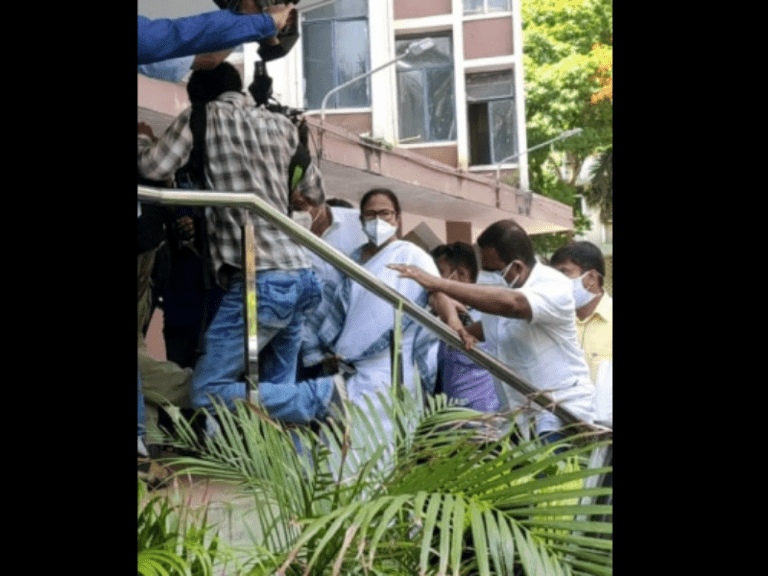
Amidst a sit-in-demonstration by Chief Minister Mamata Banerjee at the at Nizam Palace in South Kolkata- areas particularly in and around the CBI regional office turned with a battleground as the Trinamool supporters started throwing bricks and burning tyres in protest against the arrest of Trinamool ministers and MLA in Narada case on Monday.

Meanwhile the women wing of the party approached the Kolkata police commissioner Somen Mitra and demanded the arrest of CBI officers because of illegal means applied by the officers to arrest high-profile Trinamool leaders.

After the chief minister arrived at the CBI office at 10.47 am Trinamool supporters started gathering infront of the CBI office. Sensing this might lead to law-and-order problems, the premiere agency deputed a huge number of central forces to cordon off the entire office, restricting entry of the people inside the premises.

The supporters started dharna in front of the office gate demanding release of the Trinamool leaders. At 1 pm suddenly the mob turned furious and started throwing stones at the central forces. The forces barricaded the whole stretch but the supporters broke the barricade and tried to enter into the office. Meanwhile another group of supporters burned tyres and protested against the arrest.

“Why were they arrested without any notice? The Narada case came to the fore in 2016 and after five years they had the time to arrest them. It is Covid time and lockdown conditions are going on. Is this the time to arrest our leaders? They have not even taken permission from the Speaker. They have violated all norms,” a Trinamool supporter said.A

The women wing of the party, led by minister Chandrima Bhattacharya, met Kolkata’s police commissioner Somen Mitra and demanded the arrest of the CBI officers who were responsible for the arrest of the Trinamool leaders.

A memorandum submitted to the Commissioner alleges that the CBI officer didn’t take the legal route to arrest the leaders. They didn’t seek the permission of the Speaker rather they approached the Governor who is working at the behest of BJP. “The leaders and the ministers have not been even given the notice under CrPC 41 which is mandatory before making any kind of arrest,” the memorandum said.

Meanwhile Chief Minister Mamata Banerjee, who entered into the CBI office at 10.47 am in the morning, is still inside the office demanding the release of her leaders. Sources in the party said that she has started a sit-in in CBI’s Kolkata office to protest the arrest of four of Trinamool leaders, provoking a Centre-state confrontation.

Her spokesperson, lawyer Anindyo Raut, told waiting mediapersons: “Didi (Banerjee) will not leave this CBI office until her party colleagues are released or until she is also arrested.”

He said Mamata Banerjee told the CBI officers they have arrested the four leaders, among them two sitting and two former ministers, without the mandatory notice. “These arrests are politically motivated and illegal. Suvendu Adhikari and Mukul Roy have been let off though they faced the same charges,” Raut quoted the CM as saying.

Dealt with anxiety for 10-12 years: Tendulkar

0

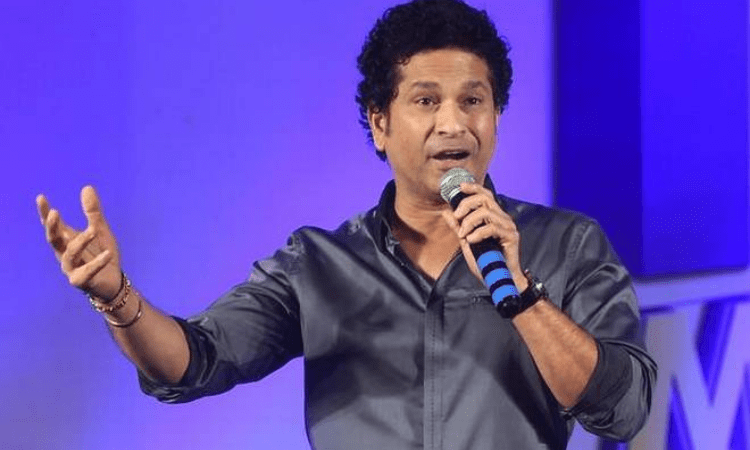
Former India batsman and captain Sachin Tendulkar said he had to deal with anxiety before a match even after he had spent several years in international cricket.

“Pressure, anxiety and all were always there. In my case, I realised all my preparations were there in a physical sense. After all of that, the anxiety was always there,” Tendulkar said in an interaction for Unacademy.

Tendulkar said that he realised over a period of time how important it is to prepare yourself for matches and series mentally.

“Even when I was playing for India, there were sleepless nights. Over a period of time, I realised that besides preparing physically for a game, you have to prepare yourself mentally also. In my mind the match started long before I entered the ground. The anxiety levels were very high and I learned to accept to those things,” he said.

Tendulkar, who is the highest run-scorer of all time in Test and ODI cricket and the only cricketer to score 100 international centuries, said that he felt the effects of anxiety for about 10-12 years.

“Then I started accepting that it was part of my preparation. If I am not able to sleep, fine, no problem. I would do something to distract my mind and keep it in that space where it was comfortable,” said Tendulkar.

Tendulkar played 200 Test matches and 463 ODIs in a 24-year international career. He scored 15,921 runs in Test cricket and 18,426 runs in ODIs.

realme to launch ‘D’ brand under TechLife vertical on May 25

Smartphone brand realme is finally foraying into its much-anticipated TechLife vertical with launching a new brand on May 25 that begins with the letter D.

The brand name with ‘D’ letter was teased by Madhav Seth, Vice President, realme and CEO, realme India and Europe, during the 8 Pro smartphone launch last month.

The new brand will have its own line of products, industry sources told IANS on Monday.

The launch of the first brand in realme TechLife ecosystem will not be a big splash launch owing to the ongoing Covid situation in the country, they added.

The TechLife ecosystem of the company will look for innovative partners globally to provide products with a new technology experience for users through independent R&D, joint custom development and product selection.

The fast-growing smartphone brand realme earlier told IANS that TechLife will help other budding brands with similar dreams to make more versatile technology products in the country.

“We will be supporting our partners who have joined the ‘realme TechLife’ platform with our product, R&D, supply and quality assurance. We leave options to onboard brands to choose their original equipment manufacturer (OEM) partners freely,” Sheth had said.

“Some brands also own their own factories. In case any brands need support of a local OEM, realme will provide all the support in figuring out local OEM partners for them, who could help them manufacture their products and give the best quality assurance,” Sheth elaborated.

The company aims to launch over 100 new AIoT and lifestyle products in 2021 – from TWS, affordable smart TVs, smart plugs, trimmers, smart bulbs and more.


Lenovo appoints Dinesh Nair as consumer biz head in India

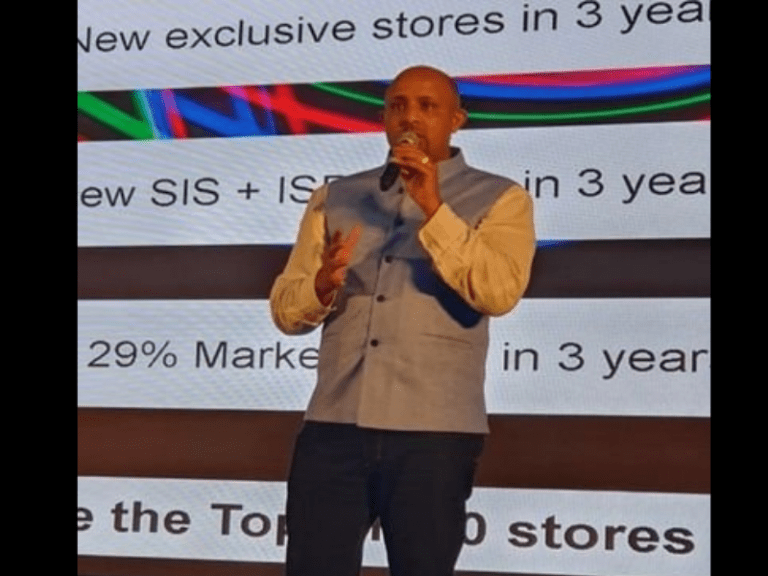
Global technology leader Lenovo on Monday announced to appoint Dinesh Nair as Director, Consumer Business for the India region.

Nair succeeds Shailendra Katyal who has been elevated as Site Leader for Lenovo India and Managing Director of Lenovo’s PC and smart device business in the country.

“I am proud to hand over the reins of the consumer business to Dinesh. At the same time, this is a demonstration of our commitment to developing talent internally. I am sure he, along with the consumer leadership team, will propel the business to new heights,” said Katyal.

Nair has been an integral part of the Lenovo India consumer business for more than 11 years and has worked successfully across several roles, the company said.

He has handled leadership responsibilities across offline general trade retail, distribution management, field sales, eCommerce, large format retail and category management.

“During this difficult time in India, we are working hard to ensure the safety of our employees, partners and customers and I am grateful that we have excellent leaders in place to bring our team together and offer this support,” Katyal added.

Katyal has succeeded Rahul Agarwal who decided to move on after 20 years at Lenovo.

For 91-year-old Crowell, it is never too old to play cricket

0

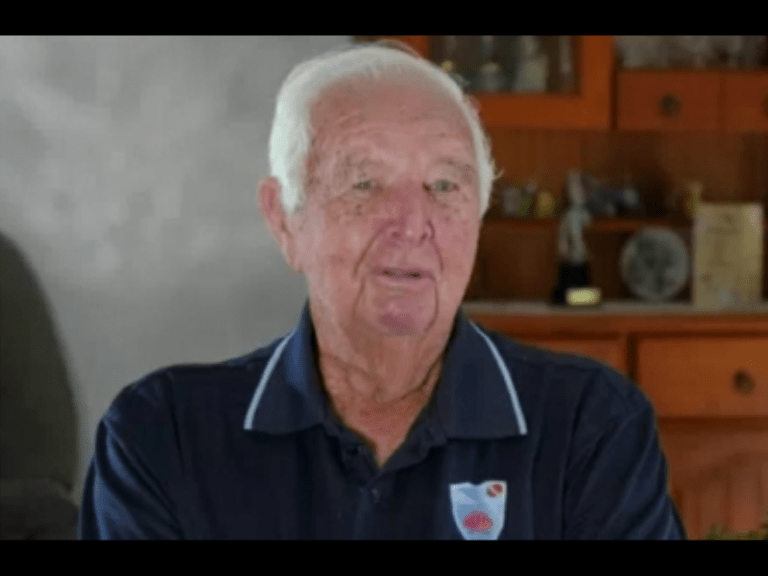
 Despite being 91 years old, Australian Doug Crowell is not giving up his love for playing cricket and continues to don flannels in veterans’ cricket.

“I keep saying that a couple of years might pull me up but who knows? The body would still feel fit enough to enjoy myself and whenever I get picked, I think I will turn up,” Crowell, who plays with the local Veterans’ Cricket Association, was quoted as saying by ABC.

“It (Veterans’ Cricket Association) is for the people who gave up their cricketing career when they were in their 30s and they had an urge to want to keep fit, so they joined the veteran cricket,” Crowell said about the veteran cricket in New South Wales.

“I could be the oldest cricketer. I don’t guarantee anything. But I haven’t heard anyone playing competitive cricket in their 90’s.”

Crowell said that he was 16 when he started playing the sport.

“I was 16 when we first decided in our district at Winston there was shortage of fuel and we were 20 miles from the nearest town, we decided we would start our own team out in the bush,” he said.

“We learnt our cricket the hard way but it hasn’t done me any harm. The fact that I am still playing is because we didn’t have real good fields and real good pitches to learn to play on. We had to adjust. We didn’t have any flash mowers or slashers. We had to rely on the cattle or sheep to keep the grass down,” he further said.

The residents of Kendall, where he resides and plays cricket, consider him a role model.

“With Doug, I have known him since I was a teenager literally and he has been so inspirational through different varying parts of my life. I love the fact that they are playing there. They are such great role models for the young people, because they don’t say no, they have a go and they are all comrades. They are are serious on the field but when they come back, they are all good friends and mates,” said Karyn Murphy, a resident.

Talking of his fitness, Crowell says, “I have got good genes and I play tennis three times a week to keep fit. I just think that there is so much to be gained out of cricket because of the people you still stay friends with over the years.”

“People say you are playing wrong shots. That’s the shots I have played for 70 years, so I will stick with them,” he added.

How does our body cope with stress of viral infections?

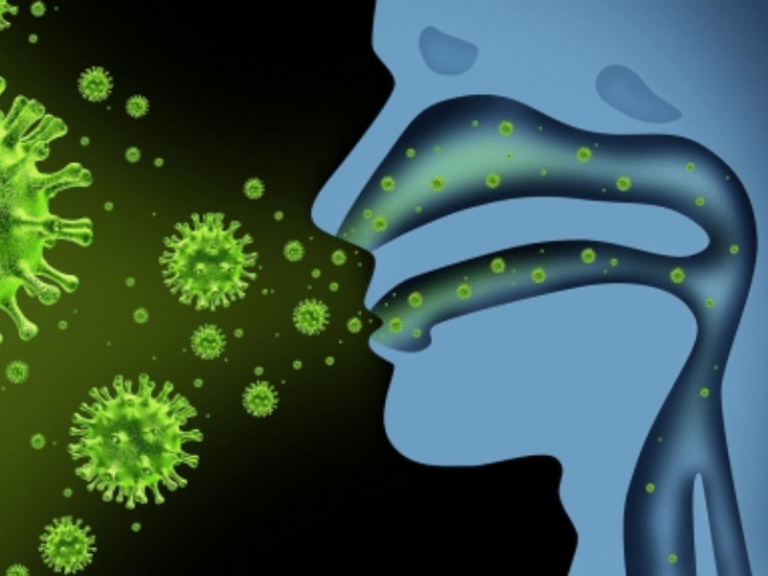
UK researchers analysing the effects of SARS-CoV-2, the virus causing the Covid-19 pandemic, on the human body has provided novel insights into the nature of resilience and how we deal with stressful situations.

The research team involving physicians, chemical biologists and an authority on human nutrition, looked at Covid from a higher level than just a disease affecting the lungs and considered how the whole body deals with the various stresses the virus causes when viewed through the lens of electron exchange — also known as ‘redox’ — processes.

“Arriving at a better understanding of how the body deals with different stresses while maintaining an appropriate redox balance would put us in a better position to treat patients acutely, protect the rest of the population and control disease spread,” said Martin Feelisch, Professor of Experimental Medicine and Integrative Biology at the University of Southampton.

“While the current vaccination success story is encouraging, emerging virus mutants show the threat continues, and we need to be better prepared in the future,” said Martin Feelisch, Professor of Experimental Medicine and Integrative Biology at the University of Southampton.

Their analysis, published in the journal Antioxidants and Redox Signaling, revealed three key areas in the body’s ability to cope with the stress of viral infections.

Nutrition emerges to be of utmost importance in maintaining the necessary redox balance and provide one’s metabolism with the flexibility to adjust and combat the damaging effects of viral infection on cells and tissues.

A highly fragile layer on the surface of endothelium — the inner lining of blood vessels that provides organs with oxygen and nutrients — regulates nutrient/fluid exchange and protects blood cells from coming into close contact with the vessel wall.

Small molecules known as ‘gasotransmitters’ also play a role. These molecules are part of a body-wide system that uses circulating blood as a communication highway to inform other organs how to best respond to the mixture of stresses experienced by other parts of the body, for example how to ramp up the metabolism in the liver to deal with an infection of the lung.

Of all the molecules involved, nitric oxide appears to be fundamental in protecting the overall redox system, the researchers said.

Covid positive Telangana youth spends 11 days on tree

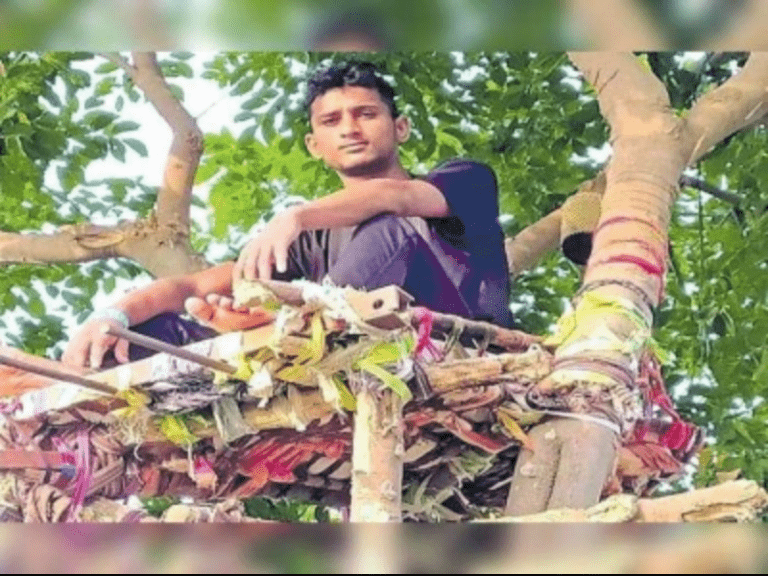
An 18-year-old youth in Telangana spent 11 days on a tree after testing positive for Covid-19 as he could not isolate himself in his small home.

Fearing that he might infect his parents and sister if he stays in the house, Ramawat Shiva Naik set up his own innovative ‘isolation facility’ on a tree near the house.

A resident of Kothanandikonda village in Adavidevulapally mandal of Nalgonda district, Shiva is an engineering student at college in Hyderabad. As the college was closed due to second wave of Covid-19 a few weeks ago, Shiva had returned home. To help his family, he started working as ‘hamali’ (porter) at a paddy procurement centre set up by the state government in the village to purchase paddy from farmers.

As he was suffering from fever and had other suspected symptoms of Covid-19, he underwent the test at a primary health centre (PHC) , located about five km from his village. He tested positive for Covid on May 4 but since he had mild symptoms, a health worker at PHC told him that there is no need for hospitalisation but advised him to isolate at home.

With four members of family sharing a one-room house with a single washroom, Shiva found that home isolation is not possible. With no government-run isolation facility in his village or in surrounding villages, the youth hit upon innovative idea.

“I had no other option. I did not want my family members to suffer because of me,” said Shiva.

Since he had learnt that Covid-infected people are suffering from low saturation level, he chose the tree for his isolation hoping that this will help him maintain good oxygen levels.

He selected a tree in front of his house as the isolation facility. The tree, which is called ‘Ganuga’ in Telugu (Pongame tree), is also said to have some medicinal properties.

Using bamboo sticks, ropes and few other items, he made a cot and tied it to the tree branches. Shiva’s parents used to keep his meals, water and other requirements in bucket and he used to pull up the same with a rope.

Shiva remained in touch with family and friends through his mobile phone, which also proved useful to kill the time. He sent a few messages calling up on local authorities to set up an isolation centre in the area.

Responding to his appeal and growing requests from people in his village and about a dozen other villages, the authorities set up an isolation centre late last week. They converted a hostel meant for students belonging to Scheduled Tribes into an isolation centre. They also persuaded Shiva to move to the centre. He will soon be completing his isolation period.

Shiva’s incident highlighted the problems faced by Covid infected in villages. Living in small houses with no or single washroom, they can’t isolate themselves.

In some instances, last year and also during the ongoing second wave, individuals who test positive were not allowed to enter into villages. At few places, Covid-infected patients are living in isolation either in huts outside the villages or in the fields.

Post-Covid cardiac care is important: Doctor

Heart specialists and cardiologists have sounded the alarm on the Covid-19 virus affecting the heart and its processes, causing many fatalities.

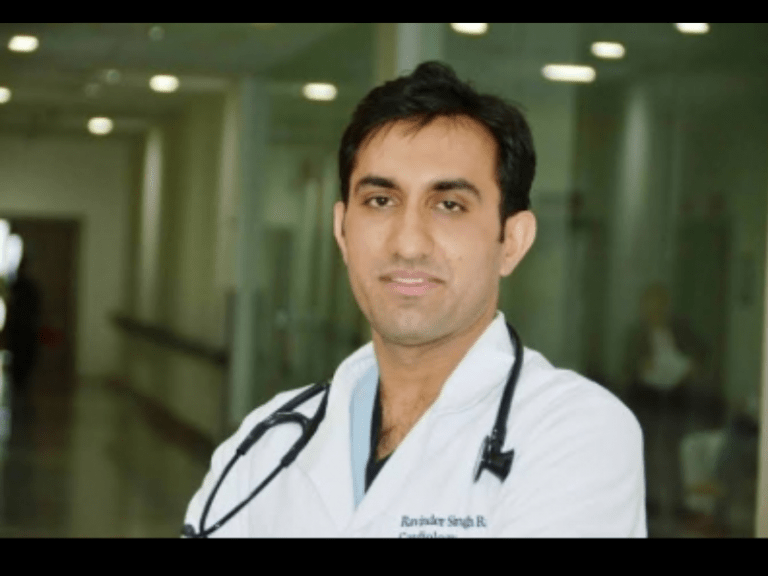
Ravindra Singh Rao, Specialist, Structural Heart Disease, Jaipur who is an expert in the Shock Wave Lithotripsy Angioplasty Technique, shares insights on heart problems commonly seen in Covid-19 patients, non-Covid cardiac care and post-Covid recovery.

Q: It is common to see heart problems amid Covid-positive patients, with young people getting affected as well. What have been your experiences with the virus affecting the people’s hearts?

A: Heart problems are seen in Covid-19 infection. It can vary from sudden cardiac death to minor problems in heart rate. Sudden cardiac death can be due to heart attack. There can be clot formation in heart blood vessels. Clots can also be formed in lung blood vessels causing pulmonary embolism. Virus can also affect heart muscles causing cardiomyopathy and heart failure. A common problem post Covid-19 is variation in heart rate. Slow heart recovers in the majority of patients spontaneously in a few weeks. No active treatment is required. SARS-CoV-2 is the virus that causes Covid-19, and studies have shown that many viruses can cause arrhythmia and even heart attacks. Covid-19 causes a severe inflammatory response in the body, and inflammation is the biggest cause of heart attacks. Myocarditis, or inflammation of the heart muscle, usually only occurs in people who have severe illness from Covid-19, and can be caused by the virus entering the heart. Recent studies have suggested that a milder form of heart muscle inflammation may be more common than previously thought.

Q: What is causing heart-related fatalities in such patients?

A: Heart-related patients are seen due to heart attacks (myocardial infarction). Covid creates a millen for thrombus formation. Covid-19 patients who suffer a cardiac arrest either in or out of hospital are far more likely to die than patients who are not infected with the coronavirus. In particular, women have the highest risk of dying: they are nine times more likely to die after suffering a cardiac arrest in hospital.

Q: Doctors have sounded an alarm on how changing lifestyle will increase the burden of heart disease in India. What are your thoughts on this, as a doctor?

A: Heart disease and high blood pressure (hypertension) put you at greater risk with Covid infection. Around 28.4 million elective surgeries worldwide were cancelled or postponed in 2020, which is a huge burden on healthcare and also makes the patients more vulnerable for bad outcomes. Coronary heart disease prevalence rates in India have been estimated over the past several decades and have ranged from 1.6 to 7.4 per cent in rural populations and from 1 to 13.2 per cent in urban populations. Physical inactivity, stress about health or future and other factors are increasing the risk of heart diseases.

Patients must continue their medications. With confusing news about common blood pressure medications and their connection to Covid-19 risk, you may be tempted to stop taking them. But the pendulum is swinging toward there being no cause for concern. In fact, a New England Journal of Medicine study concluded there was no link between blood pressure meds and Covid-19 risk.

If there is a non-essential medication or a good alternative ask your doctor, he may well change it, but if it is an essential medication it is suggested that it should be continued as there isn’t any concrete evidence to stop them at the moment.

Q: How can a recovered Covid patient take care of their heart at home? What are some care tips?

A: Post-Covid cardiac care is important. Cardiac patients should continue their medicines timely. Aerobic activity is encouraged. Blood thinners should be continued. Sometimes patients with elevated d-dimer need anti-coagulants for a few weeks as per consultation. What is important is: 45 minutes daily exercise, a balanced diet, and a positive mindset to keep their heart healthy.

Choose heart-healthy foods and snacks (plant-based and unprocessed foods are good choices). Maintain a normal body weight: Having obesity increases your chance of serious illness from Covid-19. Exercise daily. Stay hydrated by drinking plenty of water; Get enough sleep by aiming for seven to eight hours of shut-eye a night. Don’t smoke or overindulge with food or alcohol. Follow your care plan, stay up-to-date with vaccines and call if you have questions or concerns; use telehealth options if new symptoms or concerns arise. Ensure you have at least one month of prescribed medication at home.

Finally, maintain social distancing, but don’t socially isolate yourself. Stay connected with family and friends.

Q: Five final tips for people who gained a few extra kilos in this altered lifestyle?

A: If you are on a keto diet and because of limited supply of food material and also lack of domestic hired help, you are not able to do a keto it is fine and you can plan a low-carb diet. When things normalise you resume your earlier diet.

Intermittent fasting is a very good idea. You can skip either a breakfast or a dinner start within the duration of 12 hours gradually increasing to 18 hours of dieting for at least five days a week.

Try not to snack in between the meals.

Keep exercising and working out — dancing, rope skipping, yoga aerobics and exercising. Use apps.

Calories is what matters the most, less calories, less weight. Make a menu on what you have ahead for a week so that you don’t end up in out of the stock situation and land up in a high calorific diet.

Q: What are your experiences with non-Covid cardiac care?

A: Non-Covid cardiac care can’t be put on hold. Cardiac emergencies don’t come with an appointment. We need to designate an area in the hospital which is segregated in terms of ventilation, patient movement, staff movement. The cardiac emergencies are handled and attended to on time. The advantage in the second wave is that all healthcare workers are vaccinated and ready to race the ‘enemy virus’. We have to focus on Covid-free cardiac care.

Recently one patient in Kolhapur, his coronary artery had calcified blockages that were likely to cause the artery to rupture or block the stent back if normal stenting was done. But intravascular shock wave lithotripsy (IVL) technique not only broke their calcified blockages, but also saved his lives with safe stenting. The patient felt breathless when walking a little. When the investigation at the local centre revealed their calcified blockage, IVL was the effective option for its treatment. For this, when he reached Jaipur, providing him with Covid-free cardiac care was a big challenge. But better medical management enabled successful angioplasty of the patient. During the procedure, the OCT check fixed the stenting position inside the artery and fixed their blockage. This case is showing that patients should not hold their procedure in a pandemic.

Shock Wave Lithotripsy Angioplasty Technique has come now as an option to treat calcified blockage patients. It is now possible to insert stents through intervention by doing Angioplasty. This will be helpful for those patients who do not have the capacity to bear bypass surgery. Until now, it was difficult to perform stenting from interventions in arteries with calcified blockages as there is a 30-50 per cent risk of re-closure or rupture of arteries after stenting. Shock wave lithotripsy is a sonographic technique. In this technique, calcium is broken through a sonographic wave and a stent is inserted. This causes no damage to the artery and fine particles of calcium become part of the artery. Angioplasty with this technique takes 45 minutes to an hour and the chances of recurrence of blockage remains about five to seven per cent only.


China exploiting global social media platforms to influence foreign audience

0

China is using social media giants like Twitter and Facebook to broadcast State propaganda to global audiences, which is further amplified by fake Twitter accounts. This was revealed by the Oxford Internet Institute (OII) in a seven-month-long investigation of social media accounts held by Chinese State-run media and Chinese diplomats.

A global audit by the OII and the Associated Press says that Chinese diplomats and State media outlets are highly active on Twitter and Facebook but only 14 per cent of diplomat accounts on Twitter are labelled as State-run media by the micro-blogging site.

Marcel Schliebs, doctoral candidate and lead author of the paper at the OII, University of Oxford, said: “We find that the PRC (People’s Republic of China) is increasingly seeking to use its diplomats to amplify the outward-facing propaganda dissemination of state-backed media outlets. Our analysis shows PRC diplomats are represented in at least 126 countries with active Twitter or Facebook accounts.”

The Chinese government is exploiting those very social media networks to influence foreign public opinion which it has banned for its own public. The study points out that “nearly half of all PRC diplomat retweets are from the 1% of most active amplifiers.”

For their study, the Oxford researchers examined every tweet and Facebook post-produced by Chinese diplomats and ten of the largest state-controlled media outlets between June 2020 and February 2021.

Chinese diplomats and State-backed media accounts have been highly active on Twitter. Between June 2020 and February 2021, 189 diplomatic accounts tweeted 201,382 times and got nearly seven million likes, 1.3 million retweets and attracted a million comments. Interestingly, a large number of these retweets came from accounts that Twitter had suspended for violating its rules.

The researchers also found that despite the Twitter and Facebook policy of labelling official accounts to enhance transparency and accountability, only one in eight (14 per cent) of Chinese diplomatic accounts on Twitter were labelled clearly as government accounts.

Quoting another similar research, The Epoch Times says that two Twitter accounts — those belonging to Liu Xiaoming, the former Chinese ambassador to the UK, and the Chinese Embassy in London, were scrutinised carefully. This research found that from June 2020 to January 2021, a coordinated network of 62 accounts was dedicated to amplifying messages from the two accounts.

Of the 62 accounts, 60 were eventually suspended by Twitter, with 29 of them for the reason of platform manipulation. The remaining two were deleted by their own users. The researchers say that these 62 accounts seemed to generate little interest from genuine users, but may have contributed to the amplification of official Chinese content “by manipulating platform algorithms”, says The Epoch Times.

The research says that the Chinese government has an overwhelming presence on social media networks. The researchers found 176 Twitter and Facebook accounts representing Chinese State-controlled media outlets in English and other languages. These accounts posted over 700,000 times, with posts receiving a mammoth 355 million likes with over 27 million comments and re-shares.

However, nearly half of all Chinese official accounts are retweeted by the top 1 per cent of most active accounts. These highly active accounts engage with PRC diplomats at a very high rate, often retweeting them thousands of times within just a few months.

Talking about the significance of the research, Professor Philip N. Howard, Senior Author of the study said: “By uncovering the scale and reach of the PRC’s public diplomacy campaign, we can better understand how policymakers and social media firms should react to an increasingly assertive PRC propaganda strategy.”

Hackers stealing money via 167 fake Android, iOS apps

0

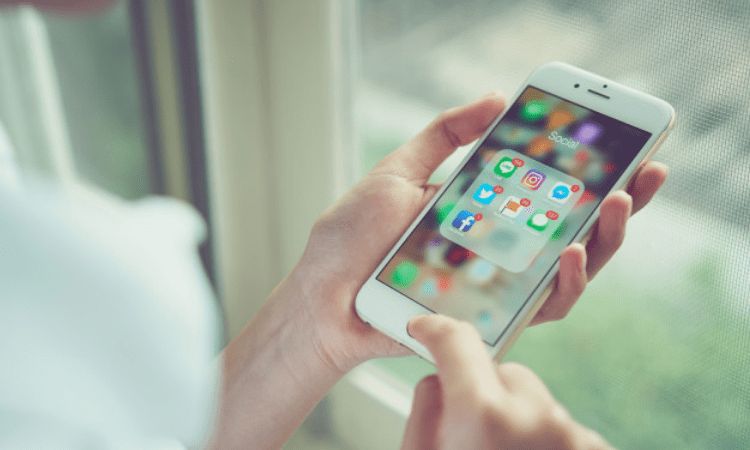
Cyber-security researchers have identified a stash of 167 counterfeit Android and iOS apps being used by hackers to steal money from people who believe they have installed financial trading, banking, or cryptocurrency app from a trusted organization.

Researchers at cyber-security firm Sophos investigated the fake apps and found that many were very similar. The attackers targeted users through dating sites and lured victims into installing money-stealing apps disguised as popular brands.

Some apps included an embedded customer support “chat” option. When researchers tried to communicate with the support teams using the chat, the replies they received used near-identical language.

The researchers also uncovered a single server loaded with 167 fake trading and cryptocurrency apps.

Taken together, this suggests that the scams could all be operated by the same group.

“The fake applications we uncovered impersonate popular and trusted financial apps from all over the world, while the dating site sting begins with a friendly exchange of messages to build trust before the target is asked to install a fake app. Such tactics make the fraud seem very believable,” explained Jagadeesh Chandraiah, a senior threat researcher at Sophos.

In one of the schemes investigated, the scammers befriended users via a dating app, setting up a profile and exchanging messages with individual targets before attempting to lure them into installing and adding money and cryptocurrency to a fake app.

If targets later tried to withdraw funds or close the account, the attackers simply blocked their access.

In other cases, targets were caught through websites designed to resemble that of a trusted brand, such as a bank.

The operators even set up a fake “iOS App Store” download page featuring fake customer reviews in order to convince targets they were installing an app from the genuine App Store.

“To avoid falling prey to such malicious apps, users should only install apps from trusted sources such as Google Play and Apple’s app store,” Sophos advised.