

35 per cent of children under five are stunted: Survey

A first-ever federal CNNS issued by the Union Health Ministry has reported that about 35 percent of kids in the nation under five ages are stunted, 17 percent misused and 33 percent are puny.

The survey was conducted from 2016-18 in 30 states and Union Territories with technical support from UNICEF.

A UNICEF press release said it was one of the largest micronutrient surveys conducted globally covering anthropometric assessments of 1,12,000 children from 0-19 years of age, including more than 51,000 biological samples for children’s micronutrient status and risk factors for non-communicable diseases.

“In India, 35 percent of children under five are stunted, 17 percent are wasted and 33 percent are underweight,” the release said.

The CNN survey shows there is some progress in a reduction in malnutrition, as well as an effective reach of government programs to prevent Vitamin A and iodine deficiency in children in the age group of 1-4 years.

It says that overweight and obesity increasingly begin in childhood with a growing threat of non-communicable diseases like diabetes in school-aged children and adolescents.

Union Health Minister Harsh Vardhan said the CNNS gives the first comprehensive national set of data about child and adolescents nutrition, including the 5-14 year age group.

“This will help the government accelerate progress using evidence-based policies and programs to combat malnutrition and non-communicable diseases like diabetes in children and adolescents,” he said. The release citing the survey said that school-age children and adolescents were still at risk of malnutrition even as initiatives such as Poshan Abhiyaan 2018-22 have been launched.

“One in 4 adolescents aged 10-19 years remain thin for their age. Five percent of adolescents aged 10-19 years old were overweight or obese,” the release said.

It said another major concern for India was the high number of anemic children, adolescents, and women in the country.

The survey says that anemia affects youngest children and female adolescents the most:

Anaemia was significantly higher in children aged 1-4 years (41 percent) compared to other age groups. Anemia prevalence in female adolescents aged 10-19 (40 percent) years was two times higher than male adolescents (18 percent),” the release said.

It said that overall, 41 percent of children in 1-4 years, 24 percent of those 5-9 years and 29 percent of adolescents 10-19 years were anemic.

The release said that a growing threat of non-communicable diseases was found in school-age children with 10 percent pre-diabetic and high triglycerides.

“Four percent of adolescents had high total cholesterol and high low-density lipoprotein (LDL). Hypertension (high blood pressure) was found in 5 percent of adolescents,” it said.
Physical therapy better for low back pain: Study

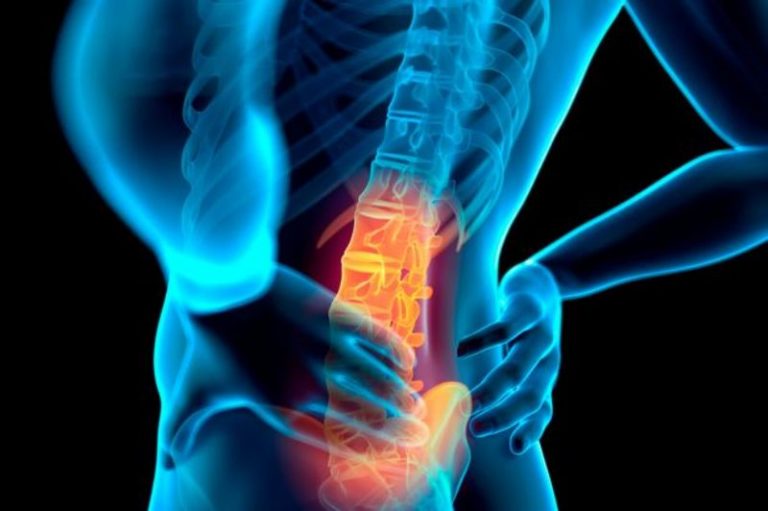
Patients who first saw a physical therapist for low back pain, rather than a primary care physician (PCP), were much less likely to be prescribed opioids, says a study.

“To overcome the chances of short- and long-term opioid use, insurers should incentivize victims to see physical therapists or chiropractors first developing a round of low back discomfort, before noticing a PCP,” said author Lewis Kazis, Professor.

For the research, the team looked at commercial insurance and Medicare Advantage claims data from the OptumLabs database for 216,504 adults who were diagnosed with new-onset low back pain between 2008 and 2013 and had not been appointed opioids before.

For the analysis, the researchers controlled as many socio-demographic, geographical, and medical history factors as they could get from the insurance claims data.

According to the study, published in BMJ Open, patients who first saw a PCP for low back pain were 79 percent more likely to use prescription opioids than patients who first visited a chiropractor and 71 percent more likely than those who first went to a physical therapist.

The researchers also observed victims in states with temporary or unrestricted access to bodily therapy were much more possible to see a dynamic therapist first than patients in states with restricted physical therapy access.

Diabetes symptoms can be lowered by weight loss

Dropping weight up to 10 percent can end in the reduction of type 2 diabetes, say researchers. The conclusions issued in the journal ‘Diabetic Medicine’ advised that it is likely to recover from the disease without accelerated lifestyle invasions or extreme calorie limitations.

While type 2 diabetes can be accomplished through a mixture of positive lifestyle changes and medication, it is also likely for the high blood glucose levels that determine diabetes to return to normal – through vital calorie restriction and weight loss. An intense low-calorie diet involving a whole daily consumption of 700 calories for 8 weeks has been linked with a reduction in about nine out of ten people with newly diagnosed diabetes and half of the people with longstanding disease.

Diabetes symptoms can be lowered by weight loss

Nevertheless, there is little data to show whether the same result can be accomplished by people experiencing less intensive invasions, which are more likely and possibly scalable to the broader population. To solve this problem, a unit led by researchers at the University of Cambridge examined data from the Addition-Cambridge case, a considered cohort study of 867 people with recently diagnosed diabetes aged 40 and 69 years selected from common practices in the eastern region.

The researchers determined that 257 participants (30 percent) participants were in a reduction at five-year follow-up. People who managed a weight loss of 10 percent or more within the first five years after diagnosis were more than double as likely to go into remission compared to people who owned the equivalent weight.

“We’ve recognized for some point now that it’s likely to send diabetes into relief using reasonably drastic measures such as accelerated weight loss plans and severe calorie restriction,” said Dr Hajira Dambha-Miller from the Department of Public Health and Primary Care.

“These invasions can be very tough to people and challenging to achieve. But, our conclusions imply that it may be likely to get rid of diabetes, for at least five years, with a more proper weight loss of 10 percent. This will be more motivating and hence more likely for many people,” added Dr Hajira Dambha.

“This bolsters the importance of maintaining one’s weight, which can be managed by modifications in diet and improving physical exercise. Type 2 diabetes, while a chronic condition, can push to significant advancements, but as our study shows, can be managed and even modified,” said the senior author Professor Simon Griffin of the MRC Epidemiology Unit. To simplify the most excellent way to maintain patients with type 2 diabetes achieve sustained weight loss, the team is currently beginning a study called GLoW (Glucose-Lowering through Weight management).

Study Confirms Link Between Air Pollution and Children’s Mental Health

Researchers have discovered that short-term vulnerability to ambient air contamination was linked with increasing of psychiatric diseases in children one to two days later.

The report printed by the journal Environmental Health Perspectives, also discovered that children residing in disadvantaged areas may be more susceptive to the outcomes of air pollution-related to other children, particularly for ailments linked to stress and suicidality.

“The truth is that children existing in high poverty neighborhoods underwent greater health influences of air contamination could indicate that pollutant and community stressors can produce synergistic results on psychiatric indication sharpness and repetition,” said research lead author Cole Brokamp from University of Cincinnati in the US.

Study Confirms Link Between Air Pollution and Children's Mental Health

Three new reports from Cincinnati Children’s Hospital Medical Center, in collaboration with scientists at the University of Cincinnati, spots a light on the association between air contamination and mental well-being in children.

The research is considered to be the first to use neuroimaging to associate TRAP publication, metabolic changes in the brain, and generalized stress signs among otherwise normal children.

The scientists observed more necessary myoinositol concentrations in the brain – a seal of the brain’s neuroinflammatory acknowledgment to TRAP.

The other research found that disclosure to TRAP throughout early life and across teens was significantly correlated with self-reported distress and stress signs in 12-year-olds.

Collectively, these considerations add to the expanding body of indication that exposure to air contamination throughout early life and childhood may add to distress, anxiety and other mental health difficulties in adolescence, declared the scientist.

Antibiotic resistance key area for US-India ties: Juster

Unfolding the antibiotic resistance as one of the most significant global health issues, a US representative on Monday said it was a key area for US-India association.

“Antibiotic resistance is one of the most important global health issues of our times. Global cooperation to tackle antimicrobial resistance is required and is a key spot for US India collaboration for me and my health team across the US mission in India,” US Ambassador to India Kenneth I. Juster said at a program here.

Antibiotic resistance key area for US-India ties: Juster

The Indian Council of Medical Research (ICMR) tied with the US Consulate here in establishing India’s first National Antimicrobial Resistance Hub in Kolkata on Monday.

“A predicted 7,00,000 people die each year worldwide due to drug-resistant diseases. We must come jointly to gather all the data, put it together and study it to stop these deaths,” said Henk Jan Bekedam, Country Representative to India, World Health Organization.

According to a review conducted by the WHO in the year 2015 in India, 75 percent of respondents undergo the wrong notions that cold and flu can be treated with antibiotics and only 58 percent identified they should stop taking antibiotics only when they have completed the course.

ICMR Director Balram Bhargava said the Kolkata capability will be the hub where all study on antibiotic resistance will be passed out not only for the country but also for South Asia.

Fat Metabolism Occurs With Lack Of Sleep: Study

Less sleep or lack of sleep may take away your body’s fat metabolism says the most recent report. If you have been functioning up late or not in receipt of enough sleep for doesn’t matter what the reason, you must make some essential compensation to your daily life.

According to a report published in the Journal of Lipid Research, a few days of sleep scarcity can make people feel less full after eating and metabolize the fat in food in a different way. This, in turn, could even guide to weight gain.

earlier studies have found a connection between sleep reduction and metabolism of fat, Orfeu Buxton, a professor at Penn State and senior author of this all-new study, contributed to earlier findings by indicating how long-term sleep control puts people at a higher risk of obesity and diabetes.

Fat Metabolism Occurs With Lack Of Sleep: Study

Buxton said, most of those reports have focused on glucose metabolism, which is significant for diabetes, while comparatively few have assessed the digestion of lipids from food.

After people spent a week receiving plenty of sleep at home, 15 men in good physical shape in their 20s checked into the sleep lab for the ten-night study. For a duration of five nights, no one of the people spent more than five hours in bed each night.

To find out how the scratchy program affected metabolism, the researchers gave people in the fray a high-fat dinner, a bowl of chili mac, after four nights of sleep control.

“It was very edible — none of our subjects had difficulty finishing it — but very calorically solid,” Ness said. Most participants felt less pleased after eating the same rich meal while sleep-disadvantaged than when they had eaten it well-rested.

Researchers also compared the blood samples of the study participants. The findings exposed that sleep limit affected the postprandial lipid reply, leading to faster approval of lipids from the blood after a meal.

The study was extremely controlled and it also focused on healthy young people who are typically at a lower hazard of cardiovascular disease. Another constraint of the study was that all participants were men. However, scientists consider that the study gives precious insight which could be used to supervise healthy fat digestion. people who practice meditation doesn’t face these kind of problems.

Zika Virus: Here’s How You Can Prevent Foetal Damage; Know The Causes And Tips For Prevention

Zika virus prevention: Researchers from Johns Hopkins University have discovered a drug called Kineret that may protect infected foetus from brain damage. Kineret is an anti-inflammatory drug which is used for rheumatoid arthritis treatment.

Highlights

    4 out of 5 people infected with Zika virus show no symptoms

    Preventing mosquito bites is the bets way to prevent Zika

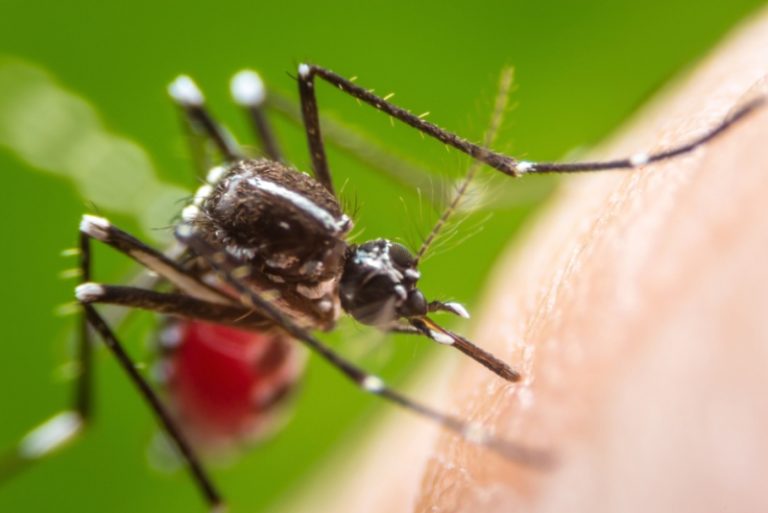
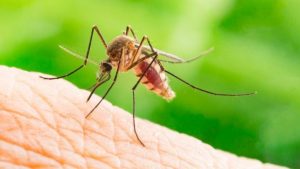
    Zika virus is transmitted to people through bite of infected mosquito

Zika Virus: Here's How You Can Prevent Foetal Damage; Know The Causes And Tips For Prevention

Zika virus is a mosquito-borne viral infection which primarily occurs in tropical and subtropical areas of the world. Many people infected by Zika virus exhibit no signs or symptoms. Muscle pain, mild fever, rashes, headache, red eyes and a general feeling of discomfort are by and large zika virus symptoms. Zika virus is transmitted to people through bite of infected Aedes species mosquito. Zika virus outbreaks have been reported in Africa, Asia, America and Pacific.

Zika virus was reported in 2015. At that time, a link between the virus and brain damage in developing foetus was identified. This means that while Zika virus mildly affected the infected patient, the transmission of the virus from an infected mother can severely affect the growing foetus. Zika virus can make the foetus prone to microcephaly, a condition in which the foetus grows with abnormally small head.

there is no treatment for Zika. Recently however, researchers from Johns Hopkins University have discovered a drug called Kineret that may protect infected foetus from brain damage. Kineret is an anti-inflammatory drug which is used for rheumatoid arthritis treatment. Read here to know more.

Use mosquito repellents at all times.

  1. Wear covered clothes. Cover your beds with mosquito repellent nets.

Consumption of diet drink a day causes a risk in early death

0

All-new study by the World Health Organisation (WHO) now became aware that just 2 glasses of diet drink a day increases the chances of risk for an early death. The universal study, involving more than 450,000 adults in 10 countries, found that daily utilization of all kinds of diet drinks are associated with a greater chance of dying early in age.

The examination and the report were published in the JAMA Internal Medicine journal and is the largest report to examine the connection between soft drink accumulation and mortality. However, the rates for those drinking unnatural-sweetened drinks were remarkably higher than those consuming full sugar versions of drinks.

As claimed by the scientists from the WHO International Agency for Research on Cancer in Lyon, it would be harsh to cut down all beverages and have water instead. Moreover, experts delivering the speech at the European Society of Cardiology which is located in Paris conveyed that people should ‘abolish’ soft drinks from their diet completely.

Consumption of diet drink a day causes a risk in early death

The research found those who engrossed more than 250 ml glasses of soft drink a day had a 26% rise in the risk of dying within the next 16 years. Furthermore, researchers discovered that deaths from cardiovascular disease gone up to 52%. And the people who had consumed two or more soft drinks with more sugary substances, the risk of death increased in the same period up to 8%.

The study also raised the problems about the blueprint that drives people from sugary drinks to diet drinks in the report authors stating that while unnatural sweetened soft drinks have fewer calories when compared to other types of drinks; their long-term physiological and health implications are relatively unknown.

Cancer – top cause of death in high income nations

0

Cancer has overtaken heart disease to become the leading cause of death among high-income countries (HIC) according to a study published in The Lancet. In parallel to this claim, it was also found that individuals in low to middle-income countries (LMIC) suffer more predominantly from cardiac conditions.

Cancer the top cause of death in high income nations


Breast cancer is one of the most well-known types of cancer both in India and globally

Such data rings true for India, whose top spot for causes of death, cardiac disease, claimed the lives of 28.1 percent of the total deaths for 2016. As such, cardiac disease is one of the most prominent health concerns in the nation.

According to the study cardiac disease remains the leading cause of mortality among middle-aged adults globally, accounting for forty percent of all deaths, but this is no longer the case in HIC, where cancer is now responsible for twice as many deaths.

“The world is witnessing a new epidemiologic transition among the different categories of non-communicable diseases (NCD), with cardiovascular disease (CVD) no longer the leading cause of death in HIC,” said Dr. Gilles Dagenais, Emeritus Professor at Laval University, Quebec, Canada and lead author of the first report. “Our report found cancer to be the second most common cause of death globally in 2017, accounting for 26 percent of all deaths. But as CVD rates continue to fall, cancer could likely become the leading cause of death worldwide, within just a few decades.”

he studies found that a number of influences play a role in high rates of heart disease in LMICs. Among these are household air pollution, poor diet, low education, and low grip strength. Many of these issues are far less prevalent in HICs, resulting in lower rates of CVD. However, cancer rates have elevated as life expectancies have increased, thus taking the top spots for causes of death.

While the study highlights that heart disease — an already widely known cause for concern in India — is among the country’s more pressing issues, it also offers insight into potential future medical issues.

Cancer is fast approaching heart disease as the most prominent cause of death in India. With around thirteen percent of deaths, each year is caused by cancer, this may eventually become India’s most prolific cause of death. By knowing this information sooner, rather than later, alterations could be made to medical infrastructure to accommodate India’s ever-growing number of cancer patients. Such a move would help alleviate the burden caused by the disease and would improve cure rates if early detection if prioritized. Though, such a move would not come without a considerable financial investment.

5 Natural Ways to Lower Your Cholesterol Levels

0

Cholesterol is made in one’s liver and has many important functions. For example, it does help keep the walls of one’s cells flexible and is needed to make several hormones.

However, like anything in one’s body, too much cholesterol or cholesterol in the wrong places does create problems.

Like fat, cholesterol does not dissolve in water. Instead, its transport in the body much depends on molecules referred to as lipoproteins, which carry cholesterol, fat and fat-soluble vitamins in the blood.

Different kinds of lipoproteins do have different effects on health. High levels of low-density lipoprotein (LDL) do result in cholesterol deposits in blood vessel walls, which can also lead to clogged arteries, strokes, heart attacks, and kidney failure.

In contrast, high-density lipoprotein (HDL) does help carry cholesterol away from the vessel walls and also helps prevent these diseases.

The Link between Dietary and Blood Cholesterol

The liver produces as much cholesterol as the body does need. It packages cholesterol with fat in very low-density lipoproteins (VLDL).

  1. As VLDL does deliver fat to cells throughout the body, it does change into the denser LDL, or low-density lipoprotein, which does carry cholesterol wherever it is needed.
  2. The liver also does release high-density lipoprotein (HDL), which does carry unused cholesterol back to the liver. This process is referred to as reverse cholesterol transport and protects against clogged arteries and other types of heart disease.
  3. Some lipoproteins, especially LDL and VLDL, are indeed prone to damage by free radicals in a process referred to as oxidation.
  4. Oxidized LDL and VLDL are even more harmful to heart health.
  5. Although food companies often advertise products as low in cholesterol, dietary cholesterol actually only rather has a small influence on the amount of cholesterol in one’s body.
  6. This is on account of liver changes the amount of cholesterol it does make much depending on how much one eats. When one’s body absorbs more cholesterol from one’s diet, it makes less in the liver.
  7. While dietary cholesterol has no doubt less influence on cholesterol levels, other foods in one’s diet can worsen them, as can family history, smoking and a sedentary lifestyle.
  8. Likewise, several other lifestyle choices can help increase beneficial HDL and decrease harmful LDL. Below are 10 natural ways to improve one’s cholesterol levels.

1. Focus on Monounsaturated Fats

As opposed to saturated fats, unsaturated fats have at least one double chemical bond that does change the way they are used in the body. Monounsaturated fats have only one double bond.

A diet that is high in monounsaturated fats does reduce harmful LDL but also protects higher levels of healthy HDL.

Monounsaturated fats can also reduce the oxidation of lipoproteins, which does contribute to clogged arteries. Overall, monounsaturated fats are healthy as they decrease harmful LDL cholesterol, increase good HDL cholesterol and also reduce harmful oxidation.

Few good sources of monounsaturated fats which are also good sources of polyunsaturated fat:

Olives and olive oil
Canola oil
Tree nuts, such as almonds, walnuts, pecans, hazelnuts, and cashews
Avocados

5 Natural Ways to Lower Your Cholesterol Levels2. Use Polyunsaturated Fats, Especially Omega-3s

Polyunsaturated fats have multiple double bonds that do make them behave differently in one’s body than saturated fats. Polyunsaturated fats do reduce “bad” LDL cholesterol and do decrease the risk of heart disease.

Polyunsaturated fats also seem to reduce the risk of metabolic syndrome as well as type 2 diabetes.

Omega-3 fatty acids are an especially heart-healthy type of polyunsaturated fat. Omega-3 fats are found in high amounts in fatty fish such as salmon, mackerel, herring, and deep sea tuna-like bluefin or albacore, and to a lesser extent in shellfish including shrimp.

Other sources of omega-3s do include seeds and tree nuts, but not peanuts.

3. Avoid Trans Fats

Transfats are unsaturated fats that have been modified by a process called hydrogenation.

This is done to make the unsaturated fats in vegetable oils more stable as an ingredient. Many kinds of margarine and shortenings are made of partially hydrogenated oils.

The resulting trans fats are not fully saturated but are solid at room temperatures. This is why food companies have used transfats in products such as spreads, pastries as well as cookies — they do provide more texture than unsaturated, liquid oils.

4. Eat Soluble Fiber

Soluble fiber happens to be a group of different compounds in plants that do dissolve in water and that humans cannot digest.

However, the beneficial bacteria that do live in one’s intestines can digest soluble fiber. In fact, they do require it for their own nutrition. Soluble fiber can indeed also help increase the cholesterol benefits of taking a statin medication.

Some of the best sources of soluble fiber do include beans, peas and lentils, fruit, oats and whole grains. Fiber supplements like psyllium are also safe and inexpensive sources.

5. Exercise

Exercise is a win-win for heart health. Not only does it actually improve physical fitness, but it also helps combat obesity. It also reduces harmful LDL and increases beneficial HDL.

Resistance exercise can decrease LDL even at a modest intensity. At maximum effort, it does also increases HDL.