Covid tally surges in Karnataka with 10,704 new cases

0

For the second consecutive day, Karnataka registered over 10,000 new cases (10,704) on Wednesday, taking its COVID tally to 6,79,356, including 1,17,143 active cases to date.

The state registered 10,947 fresh cases on Tuesday.

“With 9,613 discharged in the last 24 hours, recoveries rose to 5,52,279 to date, while 9,675 succumbed to the infection, including 101 across the southern state,” said the state health bulletin here on Thursday,

As the epicenter, Bengaluru registered 5,121 fresh cases, taking its COVID tally to 2,67,362, including 60,197 active cases, while 2,03,931 recovered so far, with 43 discharged on Wednesday.

Of the 853 patients in the intensive care unit (ICU), 313 are in Bengaluru hospitals, 93 in Dharwad, 80 in Ballari, 54 in Hassan, and 29 in Kalaburagi.

Of the 1,05,248 tests conducted on Wednesday, 51,221 were rapid antigen and 54,027 RT-PCR.

Of the new cases in districts, Mysuru reported 642, Tumakuru 509, Hassan 441, Bengaluru Rural 368, Dakshina Kannada 296, Shivamogga 250, Ballari 248, Udupi 239, and Davangere 238.

Among the discharged in the districts, Dakshina Kannada reported 586, Mysuru 563, Udupi 379, Hassan 359, Bagalkote 334, and Uttara Kannada 335.

Trump ready to return to public events: Doctor

0

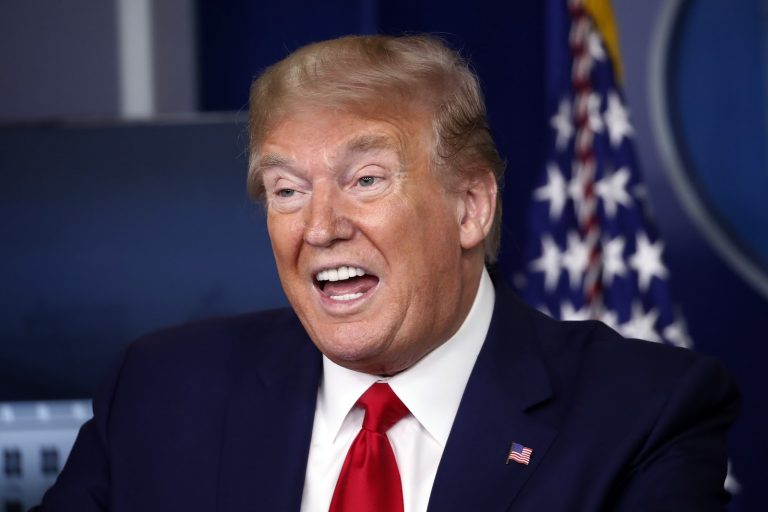
US President Donald Trump has completed his course of treatment for Covid-19 and can return to public engagements this weekend, his physician has said.

Dr. Sean Conley said the president had responded “extremely well” to medication and had “remained stable”, the BBC reported.

Trump earlier pulled out of next Thursday’s TV debate with Democratic rival Joe Biden after organizers said it would have to be a virtual event.

The move sparked a row about how and when further debates would take place.

In a memo released by the White House on Thursday evening, Dr. Conley said Trump was displaying no signs “to suggest progression of illness”.

“Saturday will be day 10 since [last] Thursday’s diagnosis, and based on the trajectory of advanced diagnostics the team has been conducting, I fully anticipate the president’s safe return to public engagements at that time,” the memo added.

Earlier, Dr. Conley said that if the president’s condition remained the same or improved throughout the weekend and into Monday, “we will all take that final, deep sigh of relief”.

On Thursday, the commission organizing the second presidential debate in Miami on October 15 said it would have to take place remotely because Trump had tested positive for coronavirus.

In response, Trump said he was “not going to waste my time on a virtual debate”.

At the moment, it appears a debate could take place on 22 October, although in what form remains to be seen.

The first presidential debate on September 29 had descended into insults and interruptions. The vice-presidential debate, held on Wednesday night between Mike Pence and Kamala Harris, was a far more measured affair.

The US election will be held on November 3. The latest opinion polls suggest Biden has a high single-digit lead nationally, but the outcome is often decided in battleground states where the races can be much closer.

Six million ballots have already been cast in early voting.

Delhi’s ‘poor’ air quality to deteriorate further in 3 days

0

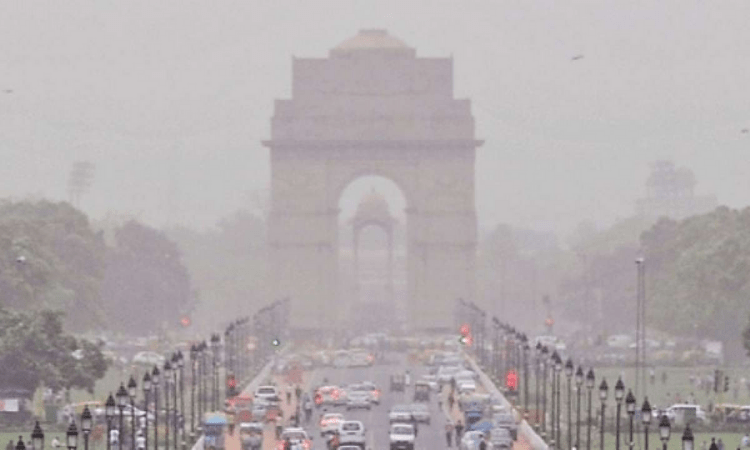
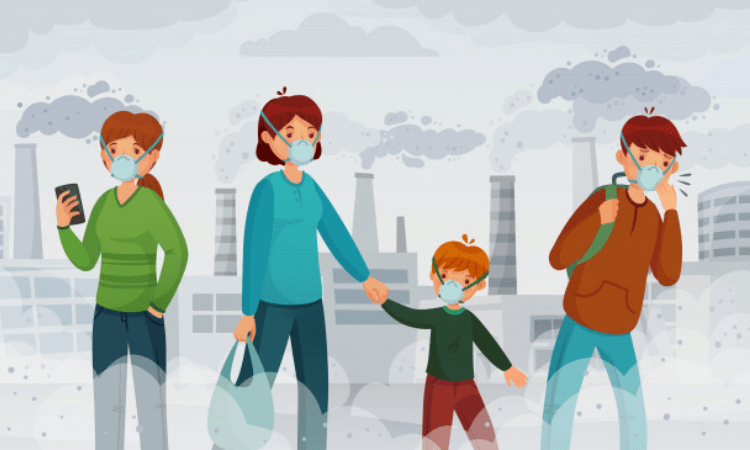
The air quality of the national capital remained in the poor category on Thursday as the forecast said AQI will likely deteriorate in the next three days by Sunday. This could prove acutely hazardous for COVID patients in the capital.

Particulate matter of diameter of 2.5 micrometers that is too small to be filtered out of the body remained the main pollutant.

The System of Air Quality Weather Forecasting And Research (SAFAR), which comes under the aegis of the Ministry of Earth Sciences, has attributed the increase in pollution to a gradual increase in stubble burning in the adjoining states. The Synergized fire count was 399 on October 7.

“The boundary layer wind direction and speed are favorable for the transport of pollutants towards Delhi at present but a shift in the wind direction is forecasted which is likely to extend the moderate air quality condition for a few more days,” the air quality forecasting system stated.

According to the data of the Central Pollution Control Board, out of 35 pollution monitoring stations, the air quality index in as many as 17 stations is in the poor category — while 15 stations recorded the index in the moderate category, four were non-functional.

The area near the Delhi Technical University recorded the highest AQI at 290.

With stubble burning in northern states the air pollution reaches a crescendo in Delhi-NCR every winter, when pollutants combine with the suspended water droplets in the lower atmosphere to form a thick blanket of noxious smog, thus creating health hazards for the residents.

Burning of stubble in the agricultural states surrounding Delhi marks the beginning of a highly-polluted period. The farmers harvest paddy in October, which leaves them about three weeks before the next round of wheat sowing is to begin.

With cheap labor no longer available, and with machinery to extract the crop residue or stubble expensive or unavailable, the farmers resort to the easiest possible option, which is to burn the fields.

According to Piyush Goel, Pulmonology and Critical Care specialist at Columbia Asia Hospital, stubble burning is one of the major reasons for poor air quality in the city that causes serious health problems such as asthma and chronic obstructive pulmonary disease (COPD).

Goel said that increase in pollution poses a threat to a lot of Covid-19 patients with underlying asthma and Chronic obstructive pulmonary disease.

“Till last year, the number of patients reporting breathing problems after stubble burning began increased by 30-35 percent than the rest of the year.”

How Parul Parmar fought polio & became para-badminton world champion

0

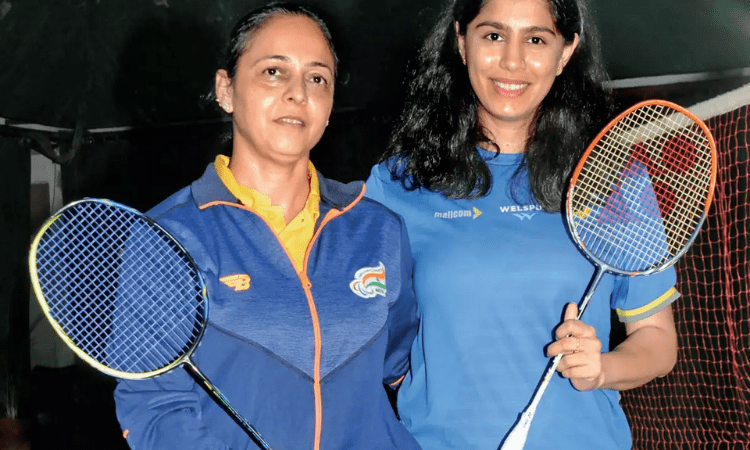
Parul Parmar, who was diagnosed with polio at a young age, had incurred a serious injury when she was three years old, but with grit and determination, she rose to the top of world para-badminton.

The 47-year-old overcame her disability to defy all odds and become a BWF Para-Badminton World Championships gold medallist in 2017.

“When I was three years old, I got to know that I was afflicted with polio in my right leg. A few months later I fell down from a swing at home and fractured my collar bone and right leg. Thereafter, my entire body was plastered,” Parul said while speaking during the seventh episode of ‘The Finish Line’, hosted by Saurav Ghosal.

“Once the plaster was removed, the doctor told me and my family that I should exercise as much as possible. My father used to play badminton at a gymkhana in Gandhinagar and therefore my mother decided that even I should go to the gymkhana along with my father so that I will get the belief that even I can play the sport and carry out regular exercise,” she added.

The Arjuna Awardee, who won both singles and doubles at the World Championships, also spoke about the only thing she always felt pressured by.

“I always felt the pressure whenever I have been sponsored by a company or anybody else. After going into a tournament after being sponsored by somebody, I always felt the pressure of delivering results for the sponsors,” said the badminton player.

“When I took part in tournaments through my own funds, then I didn’t get tensed about losing. I always wanted to give back something to the sponsors through my results,” she added.

‘Not fake news, mein Azad huun’

Though an achiever in her own right, it is tough not to start the conversation with the fact that Saba Azad, actor, theatre director, and one half of electro-funk duo Madboy/Mink (with Imaad Shah) happens to be the niece of legendary theatre activist Safdar Hashmi, and grew up surrounded by some great music, literature, and cutting-edge theatre.

“Yes, this definitely shaped my singing and the way I look at the world. The environment at home was conducive to being a creative individual. But most importantly, there was never any pressure except for doing quality work,” says Azad, who recently lent her voice to Yuvaa’s anti-fake news music anthem titled ‘Oops! I Shared It Again’ to lend support to the UN’s global initiative ‘Verified’, which aims to combat the increasing burden and rapid spread of misinformation and fake news around Covid-19.

Stressing that considering the popularity of Britney Spears’ original number, making its parody for an important message turned out to be much fun, the actor, who was seen in movies like ‘Dil Kabaddi’ and ‘Mujhse Friendship Karoge’ besides some short films, adds, “Siddhant sent me a track and I sang over it from the scratch. He sent it to the team at Yuvaa and they liked it. Initially, I was supposed to do the track on my own, but later felt that would be better to sing it with Siddharth, considering he is such an excellent singer.”

For someone who has always believed in associating herself with socio-political causes, Azad, who actively participated in the anti-CAA movement feels that it is important that art reflects the times we live in.

“Disassociating the socio-political environment with life is the biggest mistake we as a generation make. Politics has become a vulgar word only because we have systematically distanced ourselves from it. Unless the concerns of our times reflect in my art, I am simply practicing some form of escapism. Now this is something I am not okay with.”

Though things have seldom been smooth for a majority of Indian independent bands, she feels that ‘Madboy/Mink has been lucky considering the audience response. Adding that before the lockdown, things had become better for independent bands considering in the number of venues and clubs hosting live gigs.

She, however, adds: “Of course, there would be times when the government and the police would crack down on live venues as if we harbor criminals. Suddenly, everything would shut down. Live music has always had an unsavory relationship with the authorities. While loud religious music is kosher in our country, but anyone else playing it leads to all kinds of problems.

“It is kind of a struggle, but the Internet has opened people’s minds and diversified their listening pallets. Audiences now want new music coming out from closer quarters and the struggle is actually monetizing live performances. While the Indian audience is evolving, there is a constant struggle to straddle this middle ground of earning a little and being true to yourself and you’re aesthetic.”

Talk to her about the increasing number of regional bands, and she adds, “Across the country, people are doing some excellent work in their own language. There is much hope but post the pandemic, we are also seeing a lot of music management companies shutting down and musicians not doing well — something that is really sad.”

Adding that acting, music, and dancing complete her in ways more than one, Azad refuses to pin-point her favorite. “I couldn’t do without music or acting, they feel different parts of my creative abilities. I am also a dancer, so for me, all three are equally important. I need to be doing all of them to feel good and cannot really choose anyone. Also, they lend to each other in such a beautiful way,” says the artist who has worked with some of the best known contemporary theatre directors in the country and made her directorial debut with the play ‘Lovepuke’.

The actor, who was also seen in ‘Home Stories’ has signed two shows, work for which will start in December and February besides doing several live gigs on digital platforms. “There has been a different kind of output, but it has been very interesting to take the audience out of the mix for us. We did this gig for Jio Saavn last month and it was interesting to perform to a camera and knowing that there are going to be people on the other side watching it. So yes, it is a strange new world, but we are dealing with it — one day at a time.”

Covid-19 cases in SL cluster reaches 1,034

0

The number of cases in the recently-emerged Covid-19 cluster at a garment manufacturing facility in Sri Lanka’s Gampaha district has increased to 1,034, raising the island nation’s overall infection tally to 4,459.

On Wednesday, 202 new cases linked to the facility located in Minuwangoda were reported, reports the Daily Financial Times newspaper.

The new figure makes the Minuwangoda the largest cluster identified in the island nation, with the Welisara Naval Camp cluster affecting 950 Navy personnel and their contacts and the Kandakadu Treatment and Rehabilitation Centre cluster affecting 651 persons.

The Information Department said all the infected people from the facility were currently under quarantine.

A total of 729 positive cases were reported on Tuesday in the cluster, accounting for the highest number of the single-day spike.

As of Thursday, there were 1,172 active cases, while 3,274 others have so far recovered.

According to Health Promotion Bureau statistics, a total of 303,381 PCR tests have so far been carried out with 4,480 tests on Tuesday, the highest number of PCR testing on a single day.

While investigations to locate the source of the cluster continue, the Sri Lanka Police on Wednesday announced that an indefinite curfew has been imposed in Seeduwa, Ja-Ela, Kandana, and Divulapitiya.

Curfew has also been imposed in Gampaha, Ganemulla, Kirindiwela, Dompe, Malwatuhiripitiya, Meerigama, Nittambuwa, Pugoda, Veyangoda, Minuwangoda, Viragula, Weliweriya, Pallewela and Yakkala.

While curfew is in place, persons of these areas will not be permitted to leave the house and no one can enter or exit these areas.

Long-distance buses will be permitted to travel through these areas but buses and trains will not be permitted to stop or pick or drop passengers.

Closing on week without change in petrol, diesel prices

0

Diesel and petrol prices remained unchanged on Thursday closing on a week without any revision in the retail price of the two petroleum products.

Petrol and diesel prices saw a lot of volatility in the months of July, August, and September when prices moved up and down at frequent intervals with diesel prices witnessing fall lately.

With no change in petrol and fiscal prices on Thursday, the fuel prices have not been revised for the sixth consecutive day. In fact, Petrol prices have remained steady for the last 16 days.

The development is in line with the movement of global oil prices. Crude prices remained soft for most of the previous week and fell almost 10 percent to close to $40 a barrel. In the last couple of days, it has risen and is now around $42.5 a barrel.

The continuing coronavirus pandemic has impacted oil demand and pushed down prices in the absence of any other trigger to lift the markets.

In the national capital, diesel continues to be priced at Rs 70.46 per liter. Similarly, prices of the fuel In Mumbai, Chennai, and Kolkata are also stable at Rs 76.86, Rs 75.95, and Rs 73.99 respectively.

The price of petrol in Delhi, Mumbai, Chennai, and Kolkata remains at Rs 81.06, Rs 87.74, Rs 84.14, and Rs 82.59 per liter respectively.

Unemployment main concern for business executives globally: WEF survey

0

Unemployment is the major concern for business executives globally, according to a World Economic Forum (WEF) survey on Thursday.

The interactive map on ‘Regional Risks for Doing Business 2020’ shows the fiscal crisis which was the top concern in 2019 has now slipped to the third position.

“Infectious diseases progressed 28 spots and are the second most recurring risk, appearing in the top 10 in all regions except South Asia,” the WEF said in a statement.

“While the top risks are mostly related to economics, climate-related risks are causing greater concern this year, with natural catastrophes (up to seven places), extreme weather events (up to five), biodiversity loss and ecosystem collapse (up to eight) and failure of climate change adaptation (up to two) featuring more prominently.”

Other significant changes include human-made environmental catastrophes (down six), failure of urban planning (down seven), and terrorist attacks (down nine).

“The employment disruptions caused by the Covid-19 pandemic, rising automation and the transition to greener economies are fundamentally changing labor markets,” Saadia Zahidi, Managing Director at the WEF, was quoted as saying in the statement.

“As we emerge from the crisis, leaders have a remarkable opportunity to create new jobs, support living wages, and reimagine social safety nets to adequately meet the challenges in the labor markets of tomorrow.”

The findings of the ‘Regional Risks for Doing Business 2020’ are based on 12,012 responses from business leaders in 127 countries.

The respondents were presented with a core list of 30 global risks and asked to select “the five global risks that you believe to be of most concern for doing business in your country within the next 10 years”.

Kerala to take more time to reopen bars

0

Tipplers in Kerala, who liked to have their drinks in a bar, will have to wait for some more time as a meeting chaired by Chief Minister Pinarayi Vijayan on Thursday decided not to re-open the bars.

The bars in the state were closed after a nationwide lockdown following the outbreak of the coronavirus pandemic.

While the excise department was keen to open the bars, Vijayan had said that with the COVID cases spiking in Kerala, it would not be prudent to open the bars.

Kerala had registered the first case of Covid-19 infection on January 30 and now the number of positive cases has crossed the 10,000-mark to touch 10,606.

There are more than 500 bars including beer and wine parlors in the public and private sectors in the state.

Growing pressure from the bar owners could be one of the reasons why the excise department is keen to reopen bars.

The only solace for the private players came when for the first time, the state government allowed the counter sale of liquor at the same rates as the state-run Bevco retail liquor outlets.

Though there is no plan to reopen the bars but the counter sales will continue.

Global steel industry outlook revised to stable on strengthening demand: Moody’s

0

The outlook for the global steel industry has been revised to stable from negative, Moody’s Investors Service has said in a new report.

Demand is picking up as pandemic-related lockdowns are eased and supporting industries resume production, though a virus resurgence is still a key risk for steelmakers.

“Demand for steel is improving on a resumption of production in important end markets and on stronger global economic data, particularly in China,” said Carol Cowan, a Moody’s Senior Vice President.

“We expect operating conditions for steelmakers to continue to improve over the next 12 to 18 months, barring a resurgence of the coronavirus.”

After pandemic-related shutdowns, production is now ramping up in the automotive and industrial sectors, Cowan says.

Meanwhile, the construction sector, the largest consumer of steel worldwide, has remained resilient throughout the pandemic and even picked up in countries with infrastructure-focused stimulus programs, such as China.

However, decreasing backlogs and declining new bids are risks for the construction industry in 2021.

In steelmakers’ key end markets, purchasing manager indexes (PMIs) a rising from low levels, with the US, Eurozone, and China (55..4, 53.7, 51. 5 respectively) now above 50, indicating expansion.

And while Moody’s macroeconomic board forecasts a 4.6 percent contraction in G-20 economies in 2020, it expects 5.3 percent growth in 2021. Many important steel-consuming regions will follow a similar pattern, with the exception of China, which will see GDP grow by 1.9 percent in 2020 and by 7.0 percent in 2021.

Capacity utilization is improving but remains well below pre-pandemic levels as the recovery lags in some regions and sectors, Moody’s said.

The rating agency’s outlooks for industries including Global Automotive, Chemicals – North America and EMEA, Global Integrated Oil & Gas, Global Oil Exploration and Production, and Global Manufacturing have all moved to stable from negative, while the outlook for Oilfield Services and Drilling remains negative.

NASA, Boeing make crew changes for Starliner test flight

0

NASA and Boeing have announced changes for the inaugural crewed flight of the CST-100 Starliner launching to the International Space Station in 2021 after Boeing astronaut Chris Ferguson decided not to fly.

As Ferguson withdrew for “personal reason”, veteran NASA astronaut Barry “Butch” Wilmore will join astronauts Mike Fincke and Nicole Mann for the Boeing crew flight test, the US space agency said on Wednesday.

Wilmore has been training side-by-side with the crew since being named the sole backup for all flight positions in July 2018.

He now will shift his focus specifically to the spacecraft commander’s duties in preparation for the flight to the space station.

The flight is designed to test the end-to-end capabilities of the new Starliner system.

“Butch will be able to step in seamlessly, and his previous experience on both space shuttle and space station missions make him a valuable addition to this flight,” said Kathy Lueders, Associate Administrator of NASA’s Human Exploration and Operations Mission Directorate.

Wilmore has spent a total of 178 days in space over the course of two missions. In 2009, he served as the pilot of space shuttle Atlantis on STS-129, helping to deliver 14 tons of spare parts for the space station.

In 2014, he returned to the space station via a Russian Soyuz spacecraft for a 167-day mission, during which he performed four spacewalks.

Ferguson will assume the role of director of Mission Integration and Operations, as well as director of Crew Systems for Boeing’s Commercial Crew Program, where he will focus on ensuring the Starliner spacecraft, meets the needs of NASA astronauts, the US space agency said.

In this role, he will be one of the last people the crew sees before leaving Earth and one of the first they see upon their return, as well as supporting them throughout their training and mission.

Ferguson has been an integral part of the Starliner program since 2011, after retiring from NASA as a three-time space shuttle veteran, including as commander of STS-135, the final space shuttle flight to the space station.

Boeing had signed a contract with NASA’s Commercial Crew Program to fly operational missions to and from the space station with Starliner in 2014.

Its debut uncrewed orbital flight mission in 2019 did not go exactly as planned, requiring it to make another try before putting astronauts on board for the crewed flight test.

Inflation crushing Pakistanis; Financial collapse, FATF blacklisting could be next

0

For the first time in the history of Pakistan, the price of wheat has touched Rs 2,400 per 40kg. As higher food prices continue to push inflation up, the country is staring at a massive wheat and flour crisis.

Data released by the Pakistan Bureau of Statistics (PBS) last week confirmed that inflation has gone up from 8.2 percent in August to 9 percent in September. The circular debt in the power sector has gone up to Rs 2.1 trillion while the prices of as many as 94 life-saving drugs have been increased (yes, during the times of Covid-19 pandemic). An acute shortage of gas during the winter is also a certainty.

However, instead of controlling the inflation, panic buying, the wheat and sugar hoarders, the cost of medicines and giving some relief to the countrymen, the ruling Pakistan Tehreek-e-Insaf (PTI) government is busy targeting India-possibly, the only thing it has done during its rule in spite of failing repeatedly.

Pakistan’s obsession with India is incurable. While briefing the media about the decisions taken in yesterday’s federal cabinet meeting on concern over rising prices of edible items, Shibli Faraz, the Minister of Information and Broadcasting, ended up accusing India for the mess Pakistan finds itself in right now. “He said India is trying its best to push Pakistan to the blacklist of the Financial Action Task Force. The Minister said Pakistan’s adversaries are attempting to weaken our institutions to create a situation prevailing in Libya, Iraq, and Afghanistan. He said they want to create chaos, political instability, and economic unrest in Pakistan,” said a report in The Nation while quoting the minister from the presser.

Faraz’s other colleagues in the cabinet are no different. Foreign Minister Shah Mahmood Qureshi is discussing “India’s belligerence” on various platforms every day, while the motormouth Railways Minister Sheikh Rasheed Ahmed continues to become the butt of all jokes for relentlessly, pointlessly, chugging anti-India rant. Their boss, Prime Minister Imran Khan, meanwhile is recommending the country’s youth to read Elif Shafak’s Forty Rules of Love, in order to bring them closer to Islam.

All this while, the Pakistani awaam, a majority of the lower middle class, is desperately trying to figure out where do they exactly fit in their government’s scheme of things? The opposition too is asking the whereabouts of the ‘Naya Pakistan’ promised to the citizens of the country.

In a requisition notice submitted to the National Assembly (NA) Secretariat Monday, 125 Opposition party members have asked to summon a lower house session within 14 days to discuss, besides the arrest of Pakistan Muslim League-Nawaz president (PML-N) Shahbaz Sharif, the “rising inflation in the country, increasing cases of violence against women, including rape, a massive increase in prices of life-saving medicines, simultaneous extortionate rise in electricity prices and increase in circular debt beyond Rs 2,300 billion and continuing collapse in Pakistan’s foreign relations endangering national security.”

After former PM Nawaz Sharif questioned the legitimacy of the 2018 elections in a much-publicized speech last month, the Pakistan Electronic Media Regulatory Authority (PEMRA) issued an order, prohibiting news channels from broadcasting interviews and public addresses by “proclaimed offenders and absconders” on national television, a step which the Human Rights Commission of Pakistan (HRCP) said not only violated the citizens’ right to freedom but also impinged on people’s right to know.

“Registering treason cases against politicians cannot hide the ineptitude of the government. Instead of addressing unemployment, inflation, and poverty, the government is using state machinery to suppress the opposition,” said PML-N leader Zafar Iqbal.

The burgeoning crisis at home means that the next few weeks could well turn out to be the most challenging ones for the cricketer-turned-politician Khan. With the grace period ending, the global Financial Action Task Force (FATF) meets later this month to review Pakistan’s performance on more than a dozen outstanding benchmarks for foolproof arrangements against money laundering and terror financing. As reported by IndiaNarrative.com, the fear of getting blacklisted by the global terror-financing watchdog has been giving the Pakistani PM sleepless nights for long now.

“People talk about inflation now. If we are placed on the blacklist, we will experience inflation that would ruin our economy, the country would face destruction,” Khan had feared a couple of months ago.

We are rather reminded of what Khan had said at a community event at Washington’s Capital One Arena, last year.

“People ask ‘Where is Naya Pakistan?’ — it is being created in front of your eyes.”

Blink and you miss it!

Honor launches 2 new smartwatches in India

0

Smartphone brand Honor on Thursday expanded its wearable portfolio in India with two new smartwatches — Watch ES and Watch GS Pro.

The Honor Watch ES (meteorite black variant) will be available on Amazon from October 17 to midnight onwards during the Great Indian Festival for Rs 7,499.

For Amazon Prime members, the sale will start from October 16.

The Honor Watch GS Pro (midnight black color variant) will be available on Flipkart as the Big Billion Days Specials.

The rugged smartwatch will be sold from October 16 to midnight onwards for Rs 17,999. For Flipkart’s early access members, the sale will start from October 15.

“With these two new additions — Watch ES and Watch GS Pro — we are confident of yet again meeting the customers’ expectations and replicating the success story in the India market,” Charles Peng, President, HONOR India said in a statement.

The Honor Watch ES features a 1.64-inch 2.5D AMOLED Touch Display and 70 percent Screen-to-Body Ratio.

The smartwatch comes with 200+ watch faces, personalized and customizable, and always-on display options.

The Watch ES has 12 animated workout Courses and 44 animated exercise moves that help users to meet their fitness goals at the convenience of their home.

Enabled with SpO2 Monitor, the smartwatch allows users to track their blood oxygen saturation levels. The smartwatch is also enabled with a 24/7 TruSeen 4.0 Heart Rate Monitor, supported by the optimized optical path and monitoring algorithms that can alert users of elevated or abnormal results.

Meanwhile, Honor Watch GS Pro is equipped with a SpO2 monitor, TuRelax Stress monitor, TruSleep, and 24×7 TruSeen 4.0 Heart Rate Monitor, for better health monitoring and tracking.

The smartwatch is powered by Kirin A1 chipset and comes with 1.39-inch AMOLED Touch Display with a resolution of 454×454 pixels.

The Watch GS Pro with 14 Types of MIL-STD-810G tests aims to withstand extreme conditions, including temperature-humidity-altitude resistance, salt spray, sand resistance, and humidity resistance.

With the help of a 5ATM water-resistant and 6-axis sensor, the smartwatch can record numerous types of data such as trail (distance), average speed, maximum speed, duration, calories burnt, heart rate, stride frequency, cumulative elevation, and maximum oxygen uptake, when you are running, hiking and doing a triathlon.

Consumers will also be able to avail of the no-cost EMI option of up to six months and further. On payment using an HDFC credit or debit card during the campaign period, there will be an additional 10 percent instant discount, the company said.

Wearing masks significantly reduces Covid-19 spread: Study

0

New research adds to the growing body of evidence that wearing a mask can play a significant role in reducing the spread of Covid-19.

The study from Simon Fraser University (SFU) in Canada, have found that mask mandates are associated with a 25 percent or larger weekly reduction in Covid-19 cases.

The research also found that relaxed restrictions on businesses and gatherings (including retail, restaurants, and bars) were positively associated with subsequent Covid-19 case growth – a factor that could offset and obscure the health benefits of mask mandates.

The most stringent restrictions on businesses and gatherings observed in the data were associated with a weekly decrease of 48 to 57 percent in new cases, relative to the trend in the absence of restrictions.

For the findings, the research team analyzed the impact of mask mandates that were implemented across Ontario’s 34 Public Health Units (PHUs) over the course of two months.

The research team compared the results of PHUs that adopted mask mandates earlier to those that adopted mandates later.

They determined that in the first few weeks after their introduction, mask mandates were associated with an average weekly reduction of 25 to 31 per cent in newly diagnosed Covid-19 cases, relative to the trend in mask mandate absence, in July and August.

Further Canada-wide analysis with province-level data found a significantly negative association between mask mandates and subsequent COVID-19 case growth – up to a 46 per cent average reduction in weekly cases in the first several weeks after adoption.

“These results were supported by additional survey data that showed mask mandates increase self-reported mask usage in Canada by 30 percentage points, suggesting that the policy has a significant impact on behavior,” the study authors wrote.

Jointly, these results suggest that mandating indoor mask wear in public places is a powerful policy measure to slow the spread of Covid-19, with little associated economic disruption in the short term.

The study authors noted that while the results are significant, their sample period does not allow them to definitively say whether the effect of mask mandates persists or weakens beyond the first few weeks after implementation. However, they concluded that, combined with other policy measures, mask mandates can be a potent policy tool for slowing the spread of Covid-19.

Urban air pollution may make Covid-19 more severe: Study

0

In a major study, researchers have found that long-term exposure to urban air pollution may have made Covid-19 more deadly.

“Both long-term and short-term exposure to air pollution has been associated with direct and indirect systemic impact on the human body by enhancing oxidative stress, acute inflammation, and respiratory infection risk,” said study author Donghai Liang from Emory University in the US.

For the study, published in the journal The Innovation, the researchers analyzed key urban air pollutants, including fine particle matter (PM2.5), nitrogen dioxide (NO2), and ozone (O3), across 3,122 counties in the US from January to July.

To examine the association between ambient air pollutants and the severity of Covid-19 outcomes, they investigated two major death outcomes, the case-fatality rate (number of deaths among the people who are diagnosed with Covid-19) and the mortality rate (number of Covid-19 deaths in the population).

The two indicators can imply the biological susceptibility to deaths from Covid-19 and offer information about the severity of the Covid-19 deaths in the general population, respectively.

Of the pollutants analyzed, NO2 had the strongest independent correlation with raising a person’s susceptibility to death from Covid-19, the researchers said.

According to the study, 4.6 parts per billion (ppb) increase of NO2 in the air was associated with 11.3 percent and 16.2 percent increases in Covid-19 case-fatality and mortality rate, respectively.

Moreover, the team discovered that just a 4.6 ppb reduction in long-term exposure to NO2 would have prevented 14,672 deaths among those who tested positive for the virus.

The team also observed a marginally significant association between PM2.5 exposure and COVID case-fatality rate, whereas no notable associations were found with O3.

“Long-term exposure to urban air pollution, especially nitrogen dioxide, might enhance populations’ susceptibility to severe Covid-19 death outcomes,” Liang added.

“The continuations and expansions of current efforts to lower traffic emissions and ambient air pollution might be an important component of reducing the population-level risk of Covid-19 case-fatality and mortality in the US,” the authors wrote.

Recently, a study, published in the journal ‘Sciences Advances’, provided the most comprehensive evidence on the causal link between long-term exposure to fine particulate (PM2.5) air pollution and premature death.

Remote work make Indian workers feel lonely, stressed: LinkedIn

0

Two in five professionals in India are experiencing increased stress or anxiety due to the pandemic while one in three professionals believe remote working is slowing career progression, making them feel more lonely, and harming work-life balance, a new LinkedIn survey revealed on Thursday.

The findings showed that only one in four (23 percent) professionals in the country were being offered emotional well-being initiatives and flexible work hours by their employers in the early months of the lockdown.

“The ongoing stress around the 3 Rs — remote work, return to work, and risk of exposure — are adversely impacting the mental health of Indian professionals. Companies in India are beginning to bolster their mental health programs to support their employees in such times,” said Ashutosh Gupta, India Country Manager, Linkedin.

The economic repercussions of the ongoing pandemic have made Indian professionals vulnerable to job uncertainty, financial instability, and bleak company outlook while continuing to work remotely in social isolation.

The fortnightly LinkedIn ‘Workforce Confidence Index’ highlighted the need for stronger employer support in these times of distress.

The findings reflect that 51 percent of the Indian workforce is working remotely due to Covid-19, and continues to question the effectiveness of remote work as professionals experience increased stress and anxiety.

“While 60 percent of Indian professionals had felt lonely at some point while working remotely, 37 percent still feel lonely doing it now”.

The findings also showed that only one in five (21 percent) professionals were getting more time off through paid or unpaid leaves, while 42 percent think their companies will not continue to do so after the pandemic.

“Today, as industries attempt to bounce back, close to 40 percent of Indian professionals continue to experience financial instability, signaling towards high levels of financial stress and uncertainty prevalent among India’s workforce,” the survey pointed out.

The pandemic has taken a toll on working parents, especially working mothers, as findings show that around one in three working mothers in India are currently providing childcare full time (28 percent), and working outside their business hours to provide childcare (33 percent).

As India begins to return to work, 50 percent of professionals still express concerns about the risk of exposure to those who don’t take safety precautions seriously.

“More than one in three professionals are also worried about workplace sanitation, exposure to large groups of people in meetings or in public and uncertain workplace safety guidelines,” revealed the survey based on the online responses of 16,199 professionals in the country over the past six months.

Amazon introduces ‘Live TV’ feature for Fire TV devices in India

0

Amazon on Thursday introduced the ‘Live TV’ feature for Fire TV devices in India, making it easier for customers to discover live channels from their favorite content providers.

The new feature introduces a ‘Live’ tab on the navigation pane and an ‘On Now’ row on the Fire TV home screen, making it easier to find, browse and access live content from subscribed apps.

“With Live TV integration we are making this experience even better by providing instant access to popular, real-time content for our customers without having to switch inputs,” said Parag Gupta, Head of Amazon Devices, India, in a statement.

Customers can also access the integrated channel guide for the subscribed apps. The ‘On Now’ row will particularly highlight all programs which are currently live on different channels.

SonyLIV, Voot, Discovery+, NextG TV, and Zee5 (coming soon) are the first content providers to integrate their Live TV experience.

The apps will collectively give customers access to popular channels, including Sony SAB HD, Colors HD, SET HD, Nick HD+, Dangal, DD National, News18 India, MTV Beats HD, SONY BBC Earth HD, Mastii TV Music, Discovery, and very soon to Zee TV, Zee Cinema and Zee News.

With the new ‘Live TV’ feature, customers will also have quick and easy access to the Fire TV channel guide, accessible in the ‘Options’ row of the ‘Live’ tab.

For newly launched Fire TV Lite customers, the channel guide can be accessed through the guide button on their Alexa Voice Remote Lite. This integrated channel guide allows customers to choose their favorite channels and browse what’s on now.

Giro D’Italia: Filippo Ganna wins Stage 5

0

Filippo Ganna’s irresistible run of form continued as the young Italian powerhouse added a first-ever Grand Tour road stage win to his name following his recent time trial victories in the World Championships and opening stage of the Giro d’Italia.

Not content with a maglia rosa on the first day of his maiden Giro on top of his rainbow jersey from Imola, Ganna on Wednesday added the Giro’s maglia Azzurra to his expanding wardrobe by showcasing his uphill ability on the dark and misty decisive climb in Stage 5 of the race where he laid down the foundations on an emotional win which eased the pressure from Ineos Grenadiers following the withdrawal of team leader Geraint Thomas.

Part of an initial eight-man breakaway in the 225km stage through the rolling hills of Calabria, Ganna powered clear of his fellow escapees on the final climb before holding off a two-man chase and the returning peloton on the wet and slippery descent to the finish in Camigliatello Silano.

Ganna’s eighth professional win was the 24-year-old’s first triumph outside his favored time trial discipline and came on a stage that featured a whopping 4,700 meters of climbing and hardly a stretch of flat road.

The Giro, being broadcast on Eurosport network, continues on Thursday with the 180km Stage 6 from Castrovillari to Matera which features rolling roads but just the one lower-category climb ahead of a ramped finish in the UNESCO World Heritage Site.

Cheptegei & Gidey break world records in Valencia

0

Uganda’s Joshua Cheptegei and Letesenbet Gidey of Ethiopia have smashed world records over 10,000m and 5,000m respectively at the Valencia meeting which had been billed as ‘World Record Day by organizers.

On Wednesday evening, Gidey was the first to go into the annals of athletics history with a stunning 5,000m run of 14:06.62 to take more than four seconds off the mark of 14:11.15 by her compatriot and idol Tirunesh Dibaba which had stood since 2008.

“I have been dreaming about this (setting a world record) for six years,” Gidey was quoted as saying by the World Athletics website.

Gidey became the third successive Ethiopian to hold the 5,000m world record following Meseret Defar and Tirunesh Dibaba as a prelude to Cheptegei’s feat.

Cheptegei, meanwhile, covered 10,000m in 26:11.00 to break Kenenisa Bekele’s mark of 26:17.53, set in Brussels in 2005.

“I wanted to live up to expectations so I’m happy to achieve my dream,” said Cheptegei, who now becomes the 10th man in history to hold the 5,000m and 10,000m world records concurrently. “I was trying to remake history so that people will have something to enjoy. Sports lovers of the world can have something to remember,” he added.

Remote working has clicked in an unpredictable world: VMware CEO

0

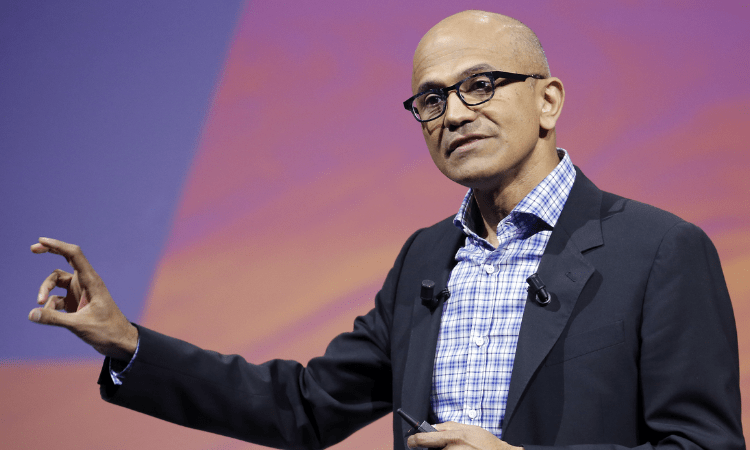
For Microsoft CEO Satya Nadella, work from home is like “sleeping at work” but for VMware CEO Pat Gelsinger, the pandemic has taught the tech world a great lesson on how to deal with unpredictable situations, and a distributed workforce in this environment has actually worked well for the companies.

In an interview with ZDNet, Gelsinger who just announced a slew of new products and solutions at the virtual ‘VMworld 2020′ said that his company was ready for a rapid shift in its customers’ operations.

The VMware “flipped” to remote working over a weekend and “hasn’t looked back”.

“We said to all of our customers, partners, ‘you need to make these dramatic shifts urgently, you need to move forward quickly’, but we’ve also needed to combine that with empathy”.

“These are pretty uncertain times, we need to be engaging, supporting, finding ways to give value to our customers,” he was quoted as saying in the report on Wednesday.

To help organizations navigate one of the most significant disruptions of our times, the enterprise software major has introduced ‘Future Ready Workforce’ solutions to provide exceptional workforce experiences, end-to-end ‘Zero Trust’ security controls, and simplified management.

The company and graphics giant Nvidia has also collaborated to make VMware’s software for managing data centers work seamlessly with Nvidia’s Artificial Intelligence (AI) chips.

One big CIO of a US firm told Gelsinger that “we planned the project in one week, we selected our vendors in the second week, and we executed in the third week, and we went from zero work from home to tens of thousands of people working from home over a three-week project”.

According to the VMware CEO, those would be the kinds of things that we’re just proud of.

“At the end of the day, we’re a business. We’re able to restore normalcy … and I talked to hundreds of CEOs and CIOs — almost everyone says efficiency is better now that we have a distributed workforce working from home in this environment and not worse”.