UK stations put crowd-control measures in place

0

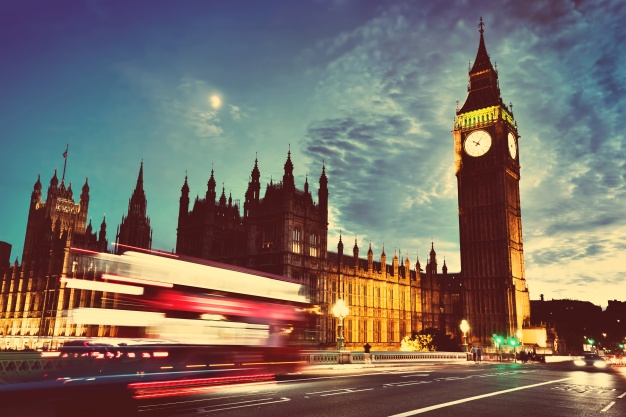
New measures have been deployed on trains and at stations in the UK amid fears that more people might use public transport to return to work in England this week amid the COVID-19 pandemic, it was reported on Monday.

Train firms have operated reduced services due to pandemic, but more frequent trains were now running as people are being encouraged to go back to work in England, but to only use public transport for essential journeys when they have no alternative, the BBC reported.

Security guards with crowd management training will be at some stations.

Passengers could be prevented from boarding a train or entering a platform if there are already too many people.

More radical steps, such as requiring passengers to book time slots for when they can arrive at a station, were being considered.

In future, train operators might not open the doors of certain carriages at earlier stations along a route so that people can get on at a later stop and still have the necessary space to keep their distance.

One-way systems were already in place at stations, such as Clapham Junction in south-west London, to ensure that social distancing was possible, said the BBC report.

The chairman of Network Rail, Peter Hendy, was asked by the government to create a plan for managing the flow of passengers.

Stations have been reorganised, signs have been installed and space could be made outside for queuing in case entrances and exits are closed.

Hendy, who is one of the most respected and experienced figures in the railways, said he was “confident” that enough work had been done prior to Monday’s increase in services, so that stations “were in a better place”.

US Air Force launches secretive space plane

0

The US Air Force has successfully launched its Atlas V rocket, carrying a X-37B space plane for a secretive mission, a media report said on Monday.

The rocket launched on Sunday from Cape Canaveral, a day after bad weather halted plans for a Saturday launch, said the BBC report.

The aircraft, also known as an Orbital Test Vehicle (OTV), will deploy a satellite into orbit and also test power-beaming technology.

It is the plane’s sixth mission in space.

The launch was dedicated to front line workers and those affected by the pandemic.

A message including the words “America Strong” was written on the rocket’s payload fairing.

X-37B is a classified programme and very little is known about it.

The Pentagon has revealed very few details about the drone’s missions and capabilities in the past.

“This X-37B mission will host more experiments than any other prior missions,” Secretary of the Air Force Barbara Barrett had said earlier this month.

One of the experiments will test the effect of radiation on seeds and other materials.

The X-37B programme started in 1999, the BBC reported.

The aircraft resembles a smaller version of the manned space shuttles that were retired by the US space programme in 2011. It can glide back down through the atmosphere to land on a runway, just as the shuttle did.

Built by Boeing, the plane uses solar panels for power in orbit, measures over 29 ft long, has a wingspan of nearly 15ft and a weight of 4,989 kg.

The first plane flew in April 2010 and returned after an eight-month mission.

Priyanka Chopra is feeling ‘blessed’

0

Actress Priyanka Chopra Jonas organised a quarantined tea party at her house, and she was all dressed up for it.

Taking to Instagram, Priyanka shared an image in which she can be seen posing with her niece. She flaunted her flowery hat as she wears a black dress.

“Playing dress up. English tea party,” Priyanka captioned the image.

She also posted another image that shows her soaking in the Sun, wearing white crochet outfit.

“Feeling blessed. The sun, a hat and a cherry lip… it’s a good day,” she wrote.

On the work front, Priyanka will be next seen in Netflix’s “The White Tiger”, which also features Rajkummar Rao.

WHO prepares to host 73rd Assembly

0

The World Health Organization (WHO), which has been at the forefront of the global fight against the coronavirus pandemic, was preparing to launch one of its most complex assemblies since its inception.

On Monday, representatives of the UN’s 194 member states will gather for the 73rd Assembly devoted almost entirely to strengthen global coordination against the pandemic, reports Efe news.

The assembly will last two days and will be held in a virtual format due to restrictions in place to curb the spread of the virus which originated in the Chinese city of Wuhan last December.

The annual meeting comes at a time when WHO has attracted unprecedented global attention for its coordinating and advisory role during the pandemic which has infected a total of 4,713,620 people globally and killed 315,185 others.

But the organization has not escaped criticism nor controversy during its handling of the crisis, with the bulk of accusations of mismanagement coming from the US government, but also Australia and Germany.

WHO Director-General Tedros Adhanom Ghebreyesus has weathered much of the criticism and has been accused by US President Donald Trump of being biased towards Chinese information in the first weeks of the outbreak at the beginning of the year.

Ghebreyesus famously said that China had set “a new standard for outbreak control” and that the country’s actions had “bought the world time”.

This did not stop Trump from freezing US funding of WHO in April, which amounts to around 15 percent of the organization’s entire budget.

Up until then, the US had traditionally been the organization’s main donor.

There will be another thorny issue on the agenda: whether to include Taiwan as an observer of the Assembly.

Taiwan became the first country in the world to deploy prevention measures against the coronavirus which resulted in only 440 cases and seven deaths, despite being just 180 km from China.

Diplomatic allies of the island, including Latin American countries such as Guatemala, Honduras, Nicaragua and Paraguay, have formally requested to invite Taiwan to the meeting.

US Secretary of State Mike Pompeo also publicly requested for the island-state to be present.

Member states will vote on whether to invite Taiwan into the assembly at the beginning but a unanimous result is necessary and the many think it is unlikely the Chinese government will allow it.

Ever since pro-independence President Tsao Ing-wen was sworn into office in 2016, China has vetoed the country’s inclusion in the UN.

Michael Jordan’s trainers break online auction record

0

NBA legend Michael Jordan’s trainers were sold for a record bid for a pair of shoe in an online auction recently.

Jordan wore these trainers during his rookie season with Chicago Bulls. The Nike Jordan 1’s reportedly fetched a whopping amount of 463,000 pounds, beating the previous record held by Nike’s 1972 Moon Shoes, reports BBC Sport.

Jordan is widely regarded as the greatest player ever to play in the NBA and he remains one of the most marketable athletes on the face of this planet.

During his time with the Chicago Bulls in the 90s, Jordan won six NBA titles and was also named finals’ Most Valuable Player (MVP) on all six occasions.

For his exploits on the court, the Bulls retired Jordan’s famed No. 23 jersey after he called time on his trophy-laden career.

He was also part of the US men’s national teams that won Olympic golds in 1984 (Los Angeles) and 1992 (Barcelona) respectively.

Elon Musk says ‘take the red pill’, Ivanka Trump says ‘taken’

0

Tesla and SpaceX CEO Elon Musk and US President Donald Trumps daughter and adviser Ivanka had a moment on Twitter via a cryptic tweet related to the all-time science-fiction classic The Matrix.

Musk tweeted on Sunday: “Take the red pill” to his over 34 million followers.

Ivanka retweeted it, adding the word: “Taken!”

For the uninitiated, “Take the red pill” is a line from the popular 1999 movie “The Matrix” about seeking the unvarnished truth:

“You take the blue pill, the story ends, you wake up in your bed and believe whatever you want to believe. You take the red pill, you stay in Wonderland and I show you how deep the rabbit-hole goes”, was the dialogue in the film.

Actor Keanu Reeves is given a choice in the film – he can take the blue pill and return to his regular life, or he can choose the red pill and learn the whole truth about living in a computer simulation.
“The Matrix” co-creator Lilly Wachowski joined Musk and Ivanka, only to spoil the ‘red pill’ party, by tweeting: “F*** both of you”.

More recently, the use of “red pill” has been like slang for people abandoning the ways of liberalism for the values of conservatism, reports Fox News.

Musk, who has been critical of lockdowns and shelter-in-home policies during the Covid-19 pandemic, reopened Tesla’s plant in Fremont, California in defiance of local restrictions last week.

Summer vacation of Orissa HC, subordinate courts cancelled

0

The summer vacation in Orissa High court and subordinate courts has been cancelled, a notification said on Sunday.

“In view of the restrictions imposed by the Centre and the state government due to coronavirus pandemic and on account of the ongoing lockdown, the normal working of the High Court as well as subordinate courts in the state shall remain suspended till June 17, or until further orders,” the notification issued by the High Court registry read.

The courts in the state during this interregnum would have restricted functioning as per the modalities finalized by the High Court on April 15 and the modified modalities of May 3.

BCCI to wait before organising skill-based camp for contracted players

0

The Central government, which on Sunday extended the nation-wide lockdown for another 14 days till May 31, warned of strict action under the Disaster Management Act and Indian Penal Code if the fresh guidelines are not complied with. The Board of Control for Cricket in India (BCCI) in a release said it took note of the guidelines issued for containment of COVID-19 across the country.

The BCCI in the release said: “Taking into the account the restrictions on air travel and movement of people till May 31, the BCCI will wait further before organising a skill-based training camp for its contracted players. The Board reiterates that the safety and well-being of its athletes and support staff is paramount and will not rush into any decision that can hamper or jeopardize India’s efforts in containing the spread of the virus.

“In the meantime, the BCCI will study guidelines at the state level and will work in sync with State Cricket Associations to chalk out a programme for skill-based training at a local level. The BCCI Office-Bearers will continue their interactions with the team management and draw up a suitable plan for the entire team once the situation further improves.”

The nationwide lockdown was first imposed for 21 days starting March 25 and then extended on April 15 and later on May 4 with an aim to stem the spread of novel coronavirus.

Preeti Sudan gives success mantra as states set to mark out Covid-19 zones

0

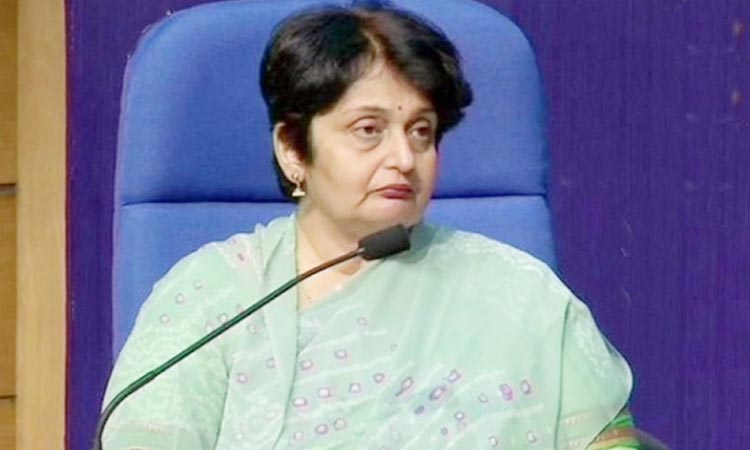
Union Health Secretary Preeti Sudan wrote to the Chief Secretaries of all states/Union Territories on Sunday informing the Centre’s decision to allow states/UTs to demarcate green, orange and red zones while giving a sense of things to keep in mind as they venture to take a serious responsibility to contain the pandemic.

Sudan, in her letter, informed that any area, be it a district or a sub-division can be categorised as one of the zones but of course after considering geographical spread of the case. She reiterated the parameters which the states should consider while going ahead with identifying zones.

Giving a sense on when and how to gauge the seriousness of the situation, Sudan cited a graph that says that total active cases in an area of more than 200 should be considered as “critical” as more than 15 active cases per lakh individuals should also be considered the same. She even said that whenever the fatality rate is more than 6 per cent or confirmation rate of positive cases are more than 6 per cent, states/UTs should consider the situation as “critical”.

“The most important task, once the zones are identified, is field action in terms of implementation of a containment plan of action,” she said.

The Health Secretary also stressed the need to determine the buffer zones inside the red and orange zones that can prove to be crucial in this fight against Covid-19. Telling the states the importance of the containment zone and its surveillance, Sudan noted how vital it is for enforcing a perimeter control which curbs people moving in or out of that area.

Citing the need for “stringent action” in these areas, she reminded the states and UTs the importance of special teams, testing and contact tracing.

“A containment operation (large outbreak or cluster)is deemed successful when no cases reported in 28 days from the containment zone,” she said.

While she urged the states and UTs to be equally mindful of scanning the buffer zones and engaging a vast array of health workers to determine Covid-19 cases frothier, Sudan said the success mantra remains “effective field action”.

On Sunday, the Centre extended the current lockdown by another couple of weeks till May 31.

“Under the new guidelines, States and Union Territories (UTs) will now categorise Red, Green and Orange zones taking into consideration the parameters shared by the Health Ministry,” said the MHA on Sunday. It added that the zones can be a district, or a municipal corporation or municipality or for that matter even smaller administrative units such as sub-divisions, which will be decided by States and UTs. This has been a long standing demand which was vociferously put forward by Bengal Chief Minister Mamata Banerjee among other CMs.

Aarogya Setu usage compulsory in SAI’s SOP for training resumption

0

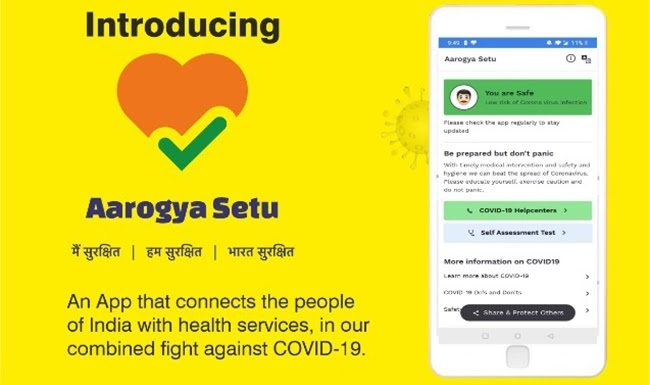
Compulsory usage of the Aarogya Setu app, nomination of a hygiene officer by National Sports Federations (NSF) to ensure compliance and implementation of all protective measures for athlete and staff safety, elimination of the usage of locker rooms and maintaining a distance of “1.5 to 2 metres” are among the measures suggested by the committee put together by the Sports Authority of India (SAI) in their Standard Operating Procedure (SOP) for resumption of training across the country.

SAI had announced the formation of the six-member committee headed by Secretary Rohit Bharadwaj on May 10. It has since created the 33-page document that now needs to be cleared by Health Ministry and Home Ministry.

The SOP also says that the usage of gym “shall be avoided/ limited to inescapable requirement; and as far as possible exercise shall be allowed using personal equipment, which shall not be shared by any other trainee.” If athletes are using the gym, they will have to do so ensuring a distance of 1.5m to 2m between themselves and usage of equipment shall be allowed permitted only “while wearing gloves and face mask and under consequent use of disinfectants afterwards.”

“All physiotherapy/massage shall be avoided unless absolutely necessary” and “recovery areas including sauna, hydrotherapy etc. shall be made inaccessible during this period.”

The SOP also calls for education of athletes on COVID-19 precautionary measures before training resumes.

While some athletes have been at their respective homes throughout the period of the lockdown, many are stuck at SAI centres around the country. The committee says in the SOP that those who have been in training centres shall be subject to “basic screening to detect any concerning ailments.”

Those that have been at their residences or in Non-SAI training centres and are rejoining the SAI centres whenever training resumes will be tested for COVID-19 and placed in quarantine until their test results arrive. “Final clearance should be provided by the doctor-In-charge at the respective SAI centre,” it said.

12 insurgents handed over by Myanmar test corona negative in Manipur

0

Twelve of the 22 insurgents handed over by Myanmar to India on Friday tested negative for coronavirus in Manipur on Sunday, officials said.

Manipur Health and Family Welfare Department’s Additional Director Khoirom Sasheekumar Mangang confirmed that swab samples of 12 “prisoners” had tested negative.

An Assam Police official said on condition of anonymity that swab samples of Assam’s ten militants had been collected even as they were put in institutional quarantine immediately on their arrival in Guwahati on Friday.

According to security officials, these militants include self-styled home secretary of National Democratic Front of Bodoland (Songbijit faction) Rajen Daimary.

Twelve of the 22 terrorists handed over by Myanmar are linked to four insurgent groups in Manipur while the remaining 10 are associated with NDFB (S) and Kamtapur Liberation Organisation (KLO) of Assam.

The 22 insurgents, who linked to NDFB (S), United National Liberation Front, People’s Revolutionary Party of Kangleipak (Pro), Kanglei Yawol Kanna Lup, People’s Liberation Army and KLO, were brought to India on a special aircraft and handed over to Manipur and Assam police separately.

Northeastern states of Arunachal Pradesh, Manipur, Nagaland, and Mizoram – share 1,643-km of unfenced Indian border with Myanmar.

Lockdown 4.0: Kejriwal hints at more relaxations in Delhi

0

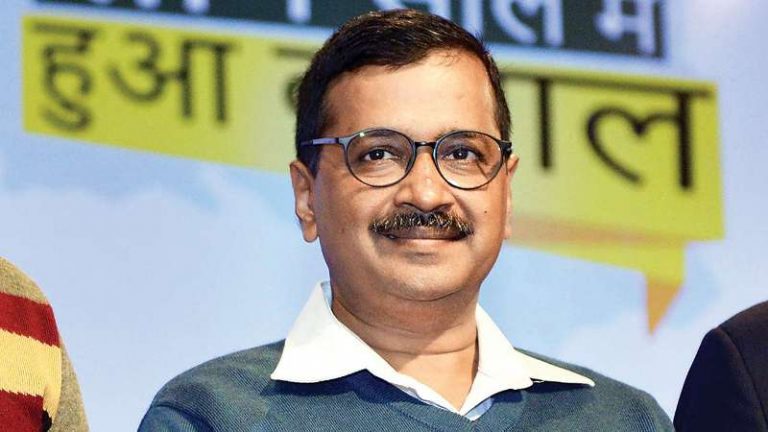
Hailing the Centre’s guidelines for lockdown 4.0 starting Monday, Delhi Chief Minister Arvind Kejriwal on Sunday dropped hints for a number of relaxations to boost the economy.

Kejriwal said the guidelines of the central government for extending the lockdown were largely in line with the proposal sent by him and added the city government will prepare a detailed plan and will announce it on Monday.

The Ministry of Home Affairs directed the states to decide the zones — Red, Green and Orange — taking into consideration the parameters shared by the Health Ministry. It says the “zones can be a district, or a municipal corporation/municipality or even smaller administrative units such as sub-divisions, etc, as decided by states and UTs.”

While there are different relaxations for different zones, certain countrywide restrictions have been put across irrespective of the zones. Kejriwal has demanded opening up of public transport in Delhi, including Delhi Metro. While the Metro is not allowed, the demand for removing night curfew between 7 p.m. and 7 a.m. was also not considered by the Centre.

However, on the demands of opening up markets and shops, the Centre said the local authorities should ensure that shops and markets open with staggered timings, so as to ensure social distancing. “All shops shall also have to ensure six feet distance (‘2 gaz ki doori’) among customers and also not allow more than 5 persons at one time.”

The Centre also allowed the states and UTs, based on their assessment of the situation, to prohibit certain other activities in the various zones, or impose such restrictions as deemed necessary.

In a series of tweets, Kejriwal said it is now time to relax the restrictions to some extent.

“Centre’s guidelines are largely in line with the proposal sent by Delhi government based on suggestions of lakhs of Delhiites. We have used the lockdown period to prepare our healthcare system if corona cases increase, but it is now time to relax the restrictions to some extent.”

As the Ministry of Home Affairs (MHA) extended the coronavirus lockdown till May 31, the Delhi government also said that the guidelines are in the right direction of opening up the economy and more decision making power has been given to the states. The government also said that a rise in numbers is expected when the economy reopens, it also claimed that Delhi is prepared to deal with it.

“Broadly, the Centre’s guidelines are in the right direction of opening up the economy and leaving it to states to work out the details. We have always been saying that we all will now have to learn to live with corona,” an official statement said.

It also said that in the last two months of the lockdown period, Delhi has prepared itself for dealing with coronavirus by improving necessary logistics and health infrastructure.”We do expect a slight increase in cases when the economy reopens and Delhi is prepared to deal with it.”

In the last edition of the lockdown ending on Sunday midnight, all the 11 districts of the national capital were marked as red zones with the city government demanding the Centre to not consider the zones district-wise. So far, there have been 9,755 COVID cases in Delhi with 148 deaths.

The Delhi government has been pushing for opening up economic activities in the city, saying due to the lockdown, the national capital has reported a revenue loss of about Rs 3,200 crore in April as compared to the previous year.

No corona test sample from dead body: Delhi’s new SOP

0

The Delhi government on Sunday directed that no sample would be drawn for coronavirus test from a dead body. However, it would be disposed as corona case if doctors are satisfied by clinical examination that corona infection caused the death, as per a new SOP issued for the disposal of bodies.

In its order, the Health Department suspended an earlier order on the ‘Disposal of Dead Bodies of COVID-19 affected persons’ issued on April 3.

“No sample for COVID-19 test will be taken from the dead body. However, if doctors are satisfied from clinical examination that the cause of death may be COVID-19 infection, the dead body may be released as suspect COVID-19 infected body,” the order signed by Padmini Singla, Secretary (Health and Family Welfare), said.

It also said the body would be managed in accordance with “COVID-19: Guidelines on Dead Body Management” issued by the Ministry of Health and Family Welfare, if the person tested positive before death; person found positive on the basis of the sample taken when he was alive; and person admitted to the hospital with severe symptoms of COVID-19 and doctors categorise him/her as a COVID-19 suspect.

The Health Department, however, issued the new Standard Operating Procedures (SOP) for the disposal of the bodies of COVID-19 patients/suspected patients if the death occurred at hospital or corona positive patient is brought dead; body found at a public place unclaimed or otherwise; or death occurred at home or at a healthcare centre.

As per the SOP, if death occurred at hospital or COVID-19 positive patient is brought dead, the hospital should provide trained healthcare workers to handle and wrap the body.

“Hospital should provide hearse to carry the body to the cremation/burial ground to ensure that no further infection is caused. A properly wrapped body will be handed over to the relatives as per the Centre’s guidelines.”

The SOP said in case no relative is available, the hospital should store the body in the mortuary after ensuring proper disinfection of the body and the body bag as per the guidelines. “Hospital should decide whether to carry out an autopsy or not.”

The SOP said if the death occurred at a COVID care centre, COVID health centre or COVID testing centre of a positive person, then it will be managed by the linked hospitals as if it has occurred at their hospital.

“The hearse (in this case) will be provided by the area District Magistrate to transport the body to the mortuary of the link COVID hospital and further for cremation/burial.”

For the death occurring outside the healthcare facility/home, relatives of the deceased patient should immediately inform area District Magistrate’s office.

“The District Magistrate shall immediately inform the nearest hospital in the district.”

The SOP said the District Magistrate shall provide the van to carry the body to the hospital and thereafter to the cremation/burial ground to ensure that no infection is caused.

“Trained healthcare workers shall be provided by the designated hospital to the District Magistrate for the van. They will handle and wrap the body after ensuring proper disinfection as per the guidelines. The body will be brought to the hospital for this purpose,” it said.

If an unclaimed or otherwise a dead body is found at a public place and if the death is not falling in any of the categories of COVID-19 infection death, the body would be handled by agencies like Delhi Police and local bodies.

The order directed the DMs, Directors of hospitals and Delhi Police to follow the procedure to ensure protection from spread of coronavirus infection.

So far, about 150 COVID deaths have been reported in the city.

Hypertensive individuals run higher risk of Covid infection: Doctors

0

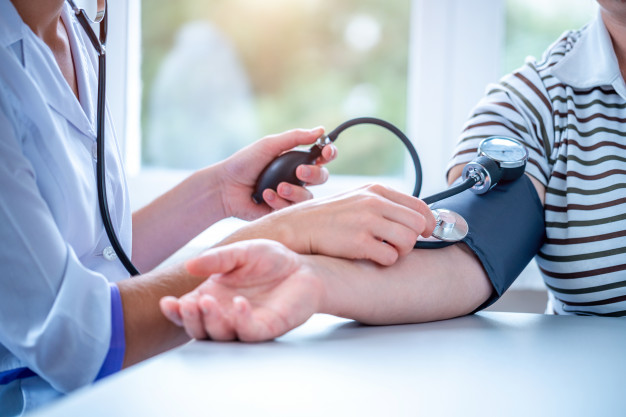
Hypertensive individuals run the increased risk of Covid-19 infection and they should take extra precautions like regularly monitoring their blood pressure level, doctors said on World Hypertension Day on Sunday.

Hypertensive individuals and increased age are high risk factors for Covid-19 infection, said Dr. Shiva Raju, Senior Consultant Physician and Diabetologist, KIMS Hospitals, Secunderabad. He advised such individuals to remain at home, take regular medication for blood pressure, closely monitor BP level at home and ensure a low salt diet – less than 3 grams per day.

Such individuals should also avoid taking more than two coffees per day, avoid alcohol intake and pain killers.

A study shows six percent of those died of Covid-19 were patients with known hypertension and associated diabetes. The Covid-19 mortality rate for normal patients is two percent. Patients who are taking ACE inhibitors and ARB may have higher risk of Covid-19 infection but evidence is inconclusive.

Dr Meeraji Rao, Senior Consultant Interventional Cardiologist, Continental Hospitals, Hyderabad, believes that inactive daily routines due to the ongoing lockdown could result in dangerous health conditions, even before the pandemic hits the individual.

It is important that every individual with possible underlying health ailments, take daily readings of blood pressure as this will help monitor fluctuations. A close watch on blood pressure and diabetes levels will help in creating a lifestyle that is best suited to stay healthy.

“During normal days, an individual moves around and has an active life; but it is important for people to stay active and healthy even under lockdown. It is strongly advised that people exercise at least for 2-3 hours every week to ensure their metabolism functions well, and they remain healthy,” he said

The doctor said patients already suffering from hypertension can continue with their earlier medications even during this pandemic while those who have developed high blood pressure during these times must seek expert opinion when it comes to ACE inhibitors and ARB medicines.

“Stress is one major reason people tend to develop hypertension, and the risk of this condition is higher in these times of pandemic and associated lockdown. It is strongly advised that people maintain a healthy sleep cycle to help beat health risks. Hypertension patients need not do vigorous exercise; but can ensure they stay healthy by doing brisk walking for 30 to 60 minutes each day.”

“Hyper Tension…. the word itself explains one of the major cause for it. This is nothing but a condition where one’s blood pressure is beyond 120/80,” explained Dr. Saji D’souza, Chairman and Managing Director, KSAC Group of Hospitals.

Almost every individual will have raised BP due to many factors including loss of elasticity of arteries and veins, atherosclerosis where in the arteries are blocked with salts/cholesterol etc and stress induced.

A person who has unpredictable variations and the level of BP going beyond 180/120 need to take medical advice as this might invite stroke, cardiac arrest or even death.

He pointed out that ayurveda suggests a balanced diet and exercise. Proper excretory and blood circulatory systems keep the body away from not only hypertension but also other diseases. Ayurveda emphasises on good food, exercise and sound sleep for the perfect harmony on one’s own health, he added.

Domestic, international flights now barred till May 31

0

The Directorate General of Civil Aviation (DGCA) has extended the prohibition on scheduled domestic and international passenger flights till May 31.

The announcement comes after the Ministry of Home Affairs (MHA) extended the nationwide lockdown till May 31.

In a statement, the civil aviation regulatory, however, said the restriction will not be applied to international all-cargo operations and the flights specially approved by the regulator.

The DGCA said it will suitably inform airlines on flights resumption in due course.

In its guideline for the fourth phase of lockdown till May 31, the MHA said that all domestic and international air travel of passengers will be prohibited, except for domestic medical services, domestic air ambulance and for security purposes.

Etailers welcome move to allow non-essential sales in red zones

0

Ecommerce players on Sunday welcomed the government’s decision to allow the delivery of non-essential items in the red zones across the country.

The new guidelines for lockdown 4.0 announced by the Ministry of Home Affairs (MHA) paved the way for a broader resumption of economic activities across most parts of the country.

“At Snapdeal, we are ready and equipped to now start serving customers all across India – in red, green and orange zones – by providing them access to the entire selection of millions of products,a a company spokesperson said in a statement.

This would enable lakhs of medium and small online sellers to start rebuilding their businesses as they serve the needs of users in cities and towns across the country.

Srinivas Mothey, Senior Vice President, Paytm Mall said that the move will help them deliver to most of the metro cities which presently fall in the red zones.

“We have received a sizable number of consumer electronics wishlist orders from metro cities where people have been waiting to buy laptops, mobile phones, as well as other daily use items for the last several weeks now,” said Mothey.

“The government’s decision will also help in opening up supplies of consumer electronics from warehouses which are in the red zones,” he added.

The company has had discussions with its merchant and logistics partners and will start taking orders and delivering from Monday.

While some states have supported extension of the lockdown, most have asked for easing restrictions as well as more autonomy in deciding demarcation of areas as red, green, orange zones which as of now is determined by the Centre.

Pankaj Mohindroo, Chairman of India Cellular And Electronics Association (ICEA) said that the nation and industry will now gradually go back to normalcy.

“Ironically our nation’s biggest strength of labour availability will now be a challenging factor.

“An all-out effort has to be made to bolster their confidence by ensuring and communicating that all health related measures have more than sufficient capacity and they are at minimal risk,” he elaborated.

E-learning players hail Centre’s e-VIDYA initiative

0

E-learning platforms have lauded the Finance Minister Nirmala Sitharaman’s announcement of the ‘Pradhan Mantri e-VIDYA’ initiative for digital education which would include online teaching, TV channels, radio and podcasts.

The multi-mode access program to be launched immediately would consist of ‘DIKSHA’ scheme for school education in states and union territories, which would provide e-content and QR coded textbooks for all grades.

Further, the government will launch one earmarked TV channel for each class from standard 1 to 12. The scheme would entail extensive use of radio, community radio and podcasts

Special e-content for visually and hearing impaired would also be provided under the scheme. In another major step, top 100 universities will be permitted to automatically start online courses by May 30, 2020.

Vamsi Krishna, CEO and Co-founder, Vedantu said: “The current situation is here to stay and E-learning is the solution one can resolve to as it allows one to study from the safe confines of their home and avoid travel to public places. Government initiatives like e-VIDYA programme will not only drive evolution and fundamentally change the pattern of teaching and learning but also make education accessible to everyone.”

He noted that the focus on technology driven education will open doors and present ample opportunities for educators and e-learning companies.

Sai Venkateshwaran, Partner and Head, CFO Advisory, KPMG in India said that post COVID-19, both the modes of delivery of education as well as the areas of study will need to significantly change as the country emerges into the new reality.

“As consumer and personal preferences change post COVID-19, we will see disruption in both business and operating models, driven by an accelerated push towards digital adoption, and this in turn will lead to a significant shift in talent and skill requirements,” Venkateshwaran said.

According to Ashvin Vellody, Partner, Deloitte India, the decision to allow the top universities impart education and learning by creating digital content and across all mediums under the concept of one nation, one platform is commendable.

Gaurav Munjal, CEO and Co-Founder at Unacademy said: “The PM e-VIDYA program announced by the Union Finance Minister today is a welcome move. The program addresses various facets of digital education and is a step in the right direction that will help augment the efforts in bridging the digital divide in the education sector.”

Medics hail govt measures on health reforms

0

The medical fraternity has welcomed Finance Minister Nirmala Sitharaman’s measures for health reforms, saying these would go a long way in strengthening the healthcare services across the country as well as help prepare India for any future outbreak.

“The government’s decision to allot funds for public health labs and build infectious disease blocks in all district-level hospitals is praise-worthy. This will go a long way in strengthening healthcare services in the country as well as prepare the counrty for any future outbreak,” said Federation of Resident Doctor Association India’s President Dr Shivaji Dev Barman.

“Allotment of funds for providing adequate quantities of PPEs for healthcare workers will ensure their protection in the ongoing fight against COVID-19 epidemic,” said Barman.

“Healthcare planning should include necessary inputs from doctors working at ground level and by introducing the Indian Medical Service (IMS) cadre. Healthcare system needs to be strengthened at every level along with an improved disease surveillance system. Research in the health sector should also be stepped up.”

Dr Sudarshan Ballal, President of NatHealth- Healthcare Federation of India, said, “The healthcare industry welcomes these strategic reforms and looks forward to working with the government on expanding India’s healthcare footprint. In view of the tremendous headwinds faced by the industry, we look forward to continuously engaging with Central and state governments for short-term support to sustain and maintain resilience in the face of COVID”.

Dr.Shankar Narang Chief Operating Officer of Paras healthcare, which is among ‘hospitals turned COVID 19 centres’ in Ranchi, said, “If there is one positive that can be pulled out from the calamitous Covid-19 crisis, it is the fact that it has woken us up to the need for giving healthcare its due. We are happy that the Finance Minister has announced a slew of reforms and measures to improve healthcare infrastructure, including increased public expenditure on health, greater investment in ramping up grassroots-level healthcare systems, creating infectious disease hospital blocks in all districts and boosting ICMR’s research capability.”

Hike in borrowing limit to benefit Karnataka: Yediyurappa

0

Cash-starved and debt-ridden Karnataka would benefit from 2 percent increase in borrowing limit to 5 percent of the gross state domestic product (GSDP), said Chief Minister B.S. Yediyurappa on Sunday.

“The increased borrowing limit of states from 3 percent to 5 percent of the GSDP will benefit states like Karnataka, which are distressed due to COVID-19. With more funds, we will be able to revive our economic system,” said Yediyurappa in a statement here.

Reacting to the fifth tranche of the Rs 20-lakh crore stimulus package to revive the COVID-19-hit economy Union Finance Minister Nirmala Sitharaman unveiled in New Delhi earlier in the day, Yediyurappa said Karnataka would make efforts to realize aspirations of a self-reliant India (Athma Nirbhar Bharat), envisaged by Prime Minister Narendra Modi and unveiled by May 12.

Extending support to state governments across the country, Sitharaman said the 2 percent increase in borrowing limit would give Rs 4.28-lakh crore extra resource to states for fiscal 2020-21 only.

“Part of the borrowing will be linked to specific reforms, including recommendations of the Finance Commission. Reform linkage will be in universalisation of one nation one ration card’; ease of doing business, power distribution and urban local body revenues,” said Sitharaman on the occasion.

Reeling under severe resource crunch following revenue shortfall from tax collections and reduction in central grants, Yediyurappa earlier said the state would seek more share of funds from the 15th Finance Commission.

“Karnataka will soon petition the 15th Finance Commission to increase the state’s share from central taxes to make up for the reduction in allocation for fiscal 2020-21,” said Yediyurappa while presenting the state budget for this fiscal (FY 20-21) in the state legislative assembly here on March 5.

Yediyurappa holds the finance portfolio as an additional post.

The finance panel had reduced the state’s share by Rs 11,215 crore to 3.64 percent (Rs 28,591 crore) for fiscal 2020-21 after the 14th Commission reduced it by Rs 8,887 crore from 4.70 percent (Rs 39,806 crore) to Rs 30,919 crore for fiscal 2019-20.

The state also suffered Rs 3,000 crore compensation loss from the GST regime due to lower realisation of indirect tax collection by the Union finance ministry in the last fiscal (2019-20).

“The fifth tranche emphasizes on creating jobs to workers,Aimprovements in education and health sector, reforms to industrial laws and spur the state’s economic situation,” said Yediyurappa.

Terming the technology-driven education with equity, as a smart move, the chief minister said dedicated television channels would benefit thousands of children who cannot attend school due to the pandemic.

“The Prime Minister’s e-vidya programme will reduce pressure exerted by the formal system of education that we followed hitherto. E-education will bring in significant changes in the education sector,” asserted Yediyurappa.

Sitharaman said the e-vidya programme for multi-mode access to digital/online education would be launched soon.’Manodarpan’,an initiative for psycho-social support for students, teachers and families for mental health and emotional well-being, will also be unveiled at the earliest.

“New national curriculum and pedagogical framework for school, early childhood and teachers will be launched. National foundational literacy and numeracy mission for ensuring every child attains learning level and outcomes in grade 5 by 2025 will be unveiled by December,” said the finance minister.

On the Union finance ministry not initiating insolvency proceedings against companies and individuals becoming default/bankrupt due to Covid, the chief minister said the pro-active initiative would give relief to MSMEs (micro, small, medium enterprises) owners and revive the economy.

“Opening all sectors for private participation will provide new life to state-run institutions across the country,” added Yediyurappa.

The Finance Minister announced that minimum threshold to initiate insolvency proceedings has been raised to Rs 1 crore from Rs 1 lakh, which insulates MSMEs).

“Special insolvency resolution framework for MSMEs under section 240A of the Code will be notified soon,” Sitharaman added.

Lockdown 4.0 till May 31; malls, metro, air travel still barred

0

The Centre on Sunday extended the nationwide coronavirus lockdown by two more weeks from May 18 while easing curbs in areas with limited virus infection to boost the economy.

The nationwide lockdown 4.0 will end on May 31, said a National Disaster Management (NDMA) order, which came after Punjab, Maharashtra and Tamil Nadu already announced the extension till the month-end.

All other activities will be permitted, except those which are specifically prohibited, the guidelines said. This means barber shops may open in the new lockdown and the guidelines this time did not categorise red, orange and green zones and left their delineation to the states.

However, in containment zones, only essential activities shall be allowed. Within the red and orange zones, containment zones and buffer zones will be demarcated by the district authorities. In the containment zones, only essential activities shall be allowed.

Red, orange and green zones are classified based on their risk profiles.

Green zones are districts that have had no confirmed cases till date, or none in the past 21 days. Red zones are identified on the basis of total number of active cases, the doubling rate of confirmed cases, the extent of testing and surveillance feedback from the districts. A district which is neither green or red will be classified as an orange zone, according to the government order.

Contrary to expectations, Metro services, all domestic and international air travel of passengers will continue to remain suspended. Only domestic medical services, domestic air ambulance and flights for security purposes as permitted by the Ministry of Home Affairs (MHA) will be allowed.

Education sectors, hotels, restaurants and other hospitality services will also remain prohibited in the fourth phase of the lockdown to contain the novel coronavirus pandemic.

Restaurants and hotels meant for providing services to housing health, police, government officials, healthcare workers, stranded persons, tourists, those living in quarantine facilities will be allowed, while restaurants shall be permitted to operate kitchens for home delivery of food items.

As per the fresh guidelines issued by the MHA, all cinema halls, shopping malls, gymnasium, assembly halls and similar places will be prohibited but sport complexes and stadia will be permitted to open, but with no entry for spectators.

While restrictions will continue on all social, political, religious congregations, marriage related gatherings with not more than 50 people have been allowed by following social distancing norms.

Gatherings related to funerals shall ensure people present do not exceed more than 20, as per the guidelines.

Consumption of paan, gutka, tobacco in public will remain prohibited. Spitting at a public place will be punishable with fine as per the prescribed rules, it said.

Shops will ensure minimum six feet (“2 gaz ki doori”) among customers and shall not allow more than five persons at a time.

Night curfew will stay between 7 p.m. and 7 a.m. and the movement of individuals will not be allowed in this time frame, except essential services. Persons above 65 years, persons with co-morbidities, pregnant women, and children below 10 years shall stay at homes, the guideline says.

Practice of work from home should be followed as far as possible, the guideline reads, adding staggering work, business hours shall be followed in offices, work places, shops and commercial establishments.

The Standard Operating Protocols (SOP) on transit arrangements for foreign nationals in India; Indians stranded outside India; movement of stranded labourers, pilgrims, tourists, students and other persons within states and UTs; sign-on and sign-off of India seafarers; movement of persons by trains will continue.

Special direction has been given in the guideline to ensure inter-state and intra-state movement of medical professionals, sanitation workers, all types of goods vehicles, including empty trucks. It is mentioned in the guideline that no state or UT will stop the movement of any type of goods or cargo for cross land-border trade.

The guidelines also stress ensuring that Aarogya Setu app is downloaded on the mobile phones of all employees.

Considering the fact that the lockdown measures need to be implemented for a further period in the country to contain the spread of novel coronavirus, the National Disaster Managment Authority directed the ministries, departments of Indian government and states to continue the lockdown measures up to May 31.

The authorities further directed departments concerned to issue modifications in the guidelines as necessary, keeping in view the need to open up economic activities while containing the spread of the deadly COVID-19 virus.

The extension came amid considerable relaxations being introduced in non-containment zones across the country and as the lockdown 3.0 was to end on Sunday midnight. This is the third extension to the lockdown, which was first imposed from March 25 and then extended from April 15 and May 4.