PETA India seeks probe into Jaipur elephant deaths

0

After the recent deaths of four elephants who were used for tourist rides in Jaipur, the India chapter of People for the Ethical Treatment of Animals (PETA), recently fired off a letter to Rajasthan Chief Secretary Rajeev Swarup, requesting him to order a thorough probe into the incidents.

In its letter, PETA India Chief Advocacy Officer Khushboo Gupta said, “Please test all captive elephants in Jaipur for TB and introduce a policy to prohibit bringing any new captive elephants into Rajasthan. These important subjects were raised with the office of the chief wildlife warden of Rajasthan in a letter dated August 6. However, no action has been taken so far. Since March this year, four elephants (numbers 24, 64, 99, and 132) who were suspected of suffering from TB have died,” she said in the letter.

The letter further asked the Rajasthan government to investigate and report the actual cause of death of the four elephants and prevent any new elephant from contracting TB. It also sought a policy decision under Section 40(2) of the Wildlife Protection Act (WPA) prohibiting the entry of any new captive elephants into Rajasthan and strict legal action against violators under Section 51 of the WPA.

Meanwhile, in a press note, PETA India said, “Two of the four elephants (numbers 99 and 64 – Rani and Chanchal, respectively) that died had tested reactive for tuberculosis (TB) in 2018 during an investigation by the government body Animal Welfare Board of India but were questionably declared TB-free later by the Rajasthan Forest Department. We made multiple requests to the Rajasthan Forest Department to test all elephants in Jaipur for TB and to quarantine and treat those who are sick,” it said further.

“Just as the Rajasthan government has taken steps to address the healthcare challenges posed by the Covid-19 pandemic, it must protect the public from another deadly zoonotic disease – tuberculosis. It’s high time the Rajasthan government implemented a policy decision to end dangerous elephant rides,” said PETA India’s press note. The warning which emerges from the incident: TB can spread from elephants to humans, just as Covid-19 is thought to have first jumped the species barrier through wildlife.

Tollywood music director Keeravaani donates plasma 2nd time

0

M. M. Keeravaani, acclaimed Tollywood music director, and his son on Monday donated plasma for the second time after recovering from coronavirus recently.

“As they found antibodies still active in our blood, I and my son donated plasma for the second time at the KIMS,” said the famous musician.

Sending a social message to the masses, Keeravaani, 59, said there was no need to worry about donating plasma more than once.

The ace music director, popular for composing music for blockbusters “Baahubali” and others, donated plasma for the first time on September 1 along with his son Bhairava.

Meanwhile, giving an update on the professional front, Keeravani said he is currently working on two movies.

“And on a non-COVID note, am working for 2 movies right now, Krish’s own production and KRR’s own production. RRR work will be resumed soon,” he tweeted.

Govt to move six Bills in LS for passage on Monday

0

The central government is slated to move six Bills, including four pertaining to ordinances, for passage in the Lok Sabha on Monday. These Bills will be moved soon after the House assembles for the day at 3 pm.

The Bills are related to the Ministries of Home Affairs, Finance, and Health.

These are the Foreign Contribution (Regulation) Amendment Bill, 2020; Insolvency and Bankruptcy Code (Second Amendment) Bill, 2020; Factoring Regulation (Amendment) Bill, 2020; Epidemic Diseases (Amendment) Bill, 2020; Homoeopathy Central Council (Amendment) Bill, 2020; and Indian Medicine Central Council (Amendment) Bill, 2020.

As per the legislative Business of the Lok Sabha, Home Minister Amit Shah’s name is listed to move the Foreign Contribution (Regulation) Amendment Bill, 2020, for passage.

The FCRA Bill was introduced in the Lok Sabha on Sunday to make earlier law more stringent and make the Aadhaar number mandatory for registration and give government powers to stop the utilization of foreign funds by an organization through a “summary inquiry”.

The Bill, which seeks amendment to the Foreign Contribution (Regulation) Act, 2010, proposes to include “public servants” in the prohibited category and decrease administrative expenses through foreign funds by an organization to 20 percent from 50 percent earlier.

Union Finance Minister Nirmala Sitharaman will move the Insolvency and Bankruptcy Code (Second Amendment) Bill, 2020 to amend the Insolvency and Bankruptcy Code, 2016, as passed by the Rajya Sabha, for consideration and passage.

The Bill will replace the Insolvency and Bankruptcy Code (Amendment) Ordinance, 2020 promulgated by the President on June 5 this year.

She will also move the Factoring Regulation (Amendment) Bill, 2020 for consideration and passage. The Bill provides an amendment to the Factoring Regulation Act, 2011.

Union Health Minister Harsh Vardhan will move the Epidemic Diseases (Amendment) Bill, 2020 for consideration and passage. The Bill seeks amendment to the Epidemic Diseases Act, 1897, as passed by the Rajya Sabha. The Bill will replace the Epidemic Diseases (Amendment) Ordinance, 2020 promulgated by the President on April 22 this year.

The Minister will also move the Homoeopathy Central Council (Amendment) Bill, 2020 for passage. The Bill seeks amendment to the Homoeopathy Central Council Act, 1973, as passed by the Rajya Sabha. It will replace the Homoeopathy Central Council (Amendment) Ordinance, 2020 promulgated by the President on April 24 this year.

Harsh Vardhan will later move the Indian Medicine Central Council (Amendment) Bill, 2020 for its passage. The Bill seeks to amend the Indian Medicine Central Council Act, 1970, as passed by the Rajya Sabha. It will replace the Indian Medicine Central Council (Amendment) Ordinance, 2020 which was promulgated by the President on April 24 this year.

Consumers shifting to low to mid-range phones in pandemic: IDC

0

As consumers prioritize spending on essentials amid economic uncertainties in the pandemic times, they are buying more low-to-mid-range smartphones and 73 percent of smartphone shipments in 2020 are expected to be priced below $400, according to a new report.

According to a new price band forecast from the IDC ‘Worldwide Quarterly Mobile Phone Tracker,” smartphone value is expected to decline 7.9 percent in 2020 to $422.4 billion — down from $458.5 billion in 2019.

Overall, the low-to-mid end segment ($100 to less than $400) dominated global smartphone shipments with 60 percent market share in the second quarter this year and is expected to grow in the short term to 63 percent by next year.

“Rising unemployment rates and job uncertainty have influenced consumers’ buying patterns towards economic and affordable products. Subsequently, the overall portfolio in smartphones is moving toward low-to-mid end devices,” said Sangeetika Srivastava, senior research analyst with IDC’s Worldwide Mobile Device Trackers.

“This has intensified competition as market players need to continue presenting attractive deals and bundling offers to encourage consumers to purchase a new device, especially in the higher-priced segments”.

The mid-to-high-end segment ($400 to less than $600) grew its share of the market by almost four points to 11.6 percent in the second quarter.

Devices from Samsung, Huawei, and other Chinese vendors like Xiaomi, OPPO, and Vivo are the main vendors driving these segments.

Apple also recently entered the mid-segment with its new iPhone SE device, which has performed well, further validating the trend toward more budget-friendly devices, the IDC report said.

The pressure on prices is reflected worldwide, though it is most obvious in developing regions like Asia/Pacific (excluding Japan and China), Latin America, Middle East & Africa (MEA) and Central & Eastern Europe (CEE) were under $400 devices captured up to 85 percent of the market in 2Q20.

Even in the US, devices under $200 increased their share 10 points year over year to capture 27 percent of the market in 2Q20.

“Looking forward, as consumers increasingly want a better value proposition from their phones, the low and mid segments ($100-$200 and $200-$400) will remain the most popular,” said Nabila Popal, research director with IDC’s Worldwide Mobile Device Trackers.

However, in the long term, IDC expects the fastest growth will be in the $400-600 price band as 5G sales grow and the average selling price (ASP) for 5G phones drops to $465 in 2024.

Global Covid-19 cases top 31mn mark: Johns Hopkins

0

The overall number of global coronavirus cases on Monday surpassed the 31 million mark, while the deaths have increased to more than 960,000, according to the Johns Hopkins University.

The total number of cases stood at 31,044,033, and the fatalities rose to 960,826, the University’s Center for Systems Science and Engineering (CSSE) revealed in its latest update.

The US is the worst-hit country with the world’s highest number of cases and deaths at 6,805,629 and 199,512, respectively, according to the CSSE.

India comes in second place in terms of cases at 5,487,580, while the country’s death toll soared to 87,882.

The other top 15 countries with the maximum amount of cases are Brazil (4,544,629), Russia (1,105,048), Peru (768,895), Colombia (765,076), Mexico (697,663), South Africa (661,211), Spain (640,040), Argentina (631,365), France (467,614), Chile (446,274), Iran (422,140), the UK (396,744), Bangladesh (348,918), Saudi Arabia (329,754) and Iraq (319,035), the CSSE figures showed.

Brazil currently accounts for the second-highest number of fatalities at 136,895.

The countries with a death toll above 10,000 are Mexico (73,493), the UK (41,866), Italy (35,668), Peru (31,369), France (31,257), Spain (30,495), Iran (24,301), Colombia (23,665), Russia (19,420), South Africa (15,953), Argentina (13,053), Chile (12,286) and Ecuador (11,090).

SC on Shaheen Bagh: Right to protest must not hamper right to mobility of others

0

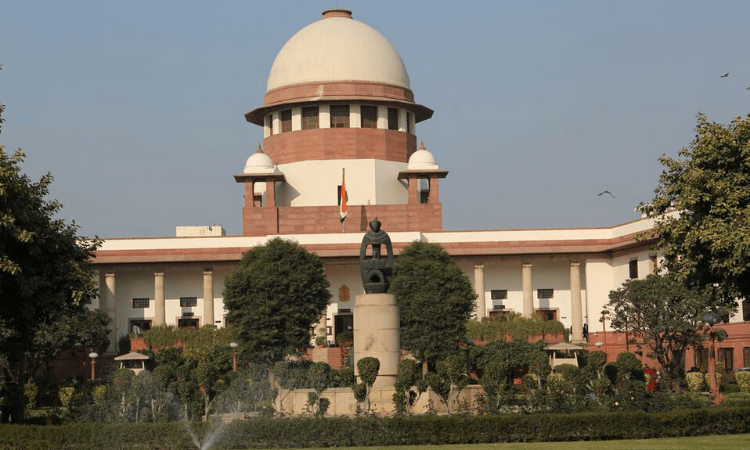
The Supreme Court on Monday said Right to Protest of one section has to be in balance with others’ Right to Mobility on a public road, as everyone has the right to move from one place to another and this right cannot be prejudiced by blocking a public road to hold protests.

A bench comprising Justices Sanjay Kishan Kaul, Krishna Murari, and Aniruddha Bose after nearly a gap of seven months took up the pleas against the anti-CAA protesters blocking the public road at Shaheen Bagh in Delhi.

At the beginning of the hearing, the bench queried the petitioners if they were willing to withdraw the plea. One of the petitioners replied that they were not.

Advocate Amit Sahni, another petitioner in the matter, argued that these kinds of incidents should not repeat in the future, and in the larger public interest, a decision must be taken in the matter.

Advocate Mehmood Pracha, appearing for intervenors, argued before the bench that the right to peacefully protest is absolute, and it is the right of the people to protest against the Citizenship (Amendment) Act and National Register of Citizens as a concept.

Justice Kaul said we are not disputing your right to peacefully protest. Sahni urged the bench to keep this matter pending and an elaborate order may be passed.

Pracha submitted that “some people went to the protest place and then riots happened, and I don’t want to name them”. He added that the number of protesters cannot be shown in a bad light by misusing the state machinery.

“It is not that state machinery is absolutely right. Why a person connected with a political party went their and riots happened,” argued Pracha, citing the need for a universal policy on right to protest peacefully.

Justice Bose replied that the right to protest needs to be balanced out with the mobility on the public roads. Justice Kaul said there cannot be a universal policy as situations vary and cited the process of debate in the Parliament.

“The place where it becomes problematic, we have to see where it can be balanced out,” noted the bench. Justice Kaul also appreciated the interlocutors, who helped the court in finding a solution to the matter.

The bench noted that the ongoing COVID-19 pandemic has created another dimension.

Solicitor General Tushar Mehta, representing the Centre, objected to Pracha’s argument. ‘Right to assemble is subjected to reasonable restrictions…We have places like Jantar Mantar, where protest can be held, but blocking of roads cannot be allowed,” said Mehta.

The bench agreed with the Centre’s contention that people can’t claim absolute right to hold protest but said that people have the right to hold peaceful protests, and this shouldn’t cause inconvenience to the general public.

The bench, reserving the order in the matter in the petitions seeking removal of protestors from Shaheen Bagh, said that the matter has become infructuous due to supervening circumstance of COVID with protestors vacating the road, but added that it will pass a short order to deal with such situations.

Mamata fumes at suspension of MPs

0

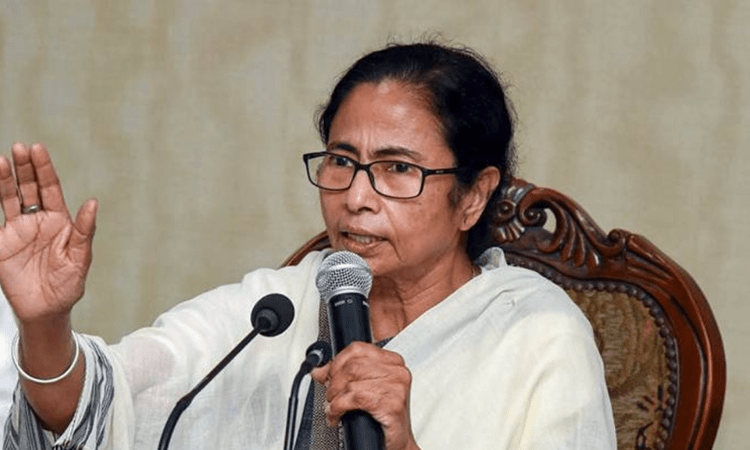
West Bengal chief minister Mamata Banerjee on Monday condemned the suspension of eight MPs who fought to protect the interests of farmers in Parliament, dubbing the move as “unfortunate”.

Banerjee also came down heavily on the Bharatiya Janata Party (BJP)-led government at the Centre protesting its “undemocratic norms and principles” of functioning.

“Suspension of the eight MPs who fought to protect farmers’ interests is unfortunate and reflective of this autocratic Government’s mindset that doesn’t respect democratic norms and principles,” Banerjee tweeted.

Eight opposition members, including Trinamool Congress’ Rajya Sabha leader Derek O’Brien, were suspended from the Rajya Sabha this morning for the rest of the session over unprecedented chaos in the Upper House during the passing of controversial farm bills on Sunday.

Besides O’Brien, Aam Aadmi Party (AAP)’s Sanjay Singh, Congress’s Rajeev Satav, and CPI-M’s KK Rajesh were told they had displayed “unruly behavior especially with the Chair and gross disorderly conduct”.

“We won’t bow down and we will fight this fascist Government in Parliament and on the streets,” the Trinamool supremo added in her tweet, accusing the BJP of killing democracy in the country.

2-year wait for states not opting for GST compensation formula

0

States which failed to submit their options before the GST Council meeting in October will have to wait for at least two years to get compensation on Goods and Services Tax collection shortfall expected during the transition period, Finance Ministry sources said on Monday.

The sources said that such states will have to wait till June 2022 to get compensation dues, subject to the condition that the GST Council extends the cess collection period beyond 2022.

This is so because the Council is expected to adopt one of the two options given by the Centre to meet the GST compensation needs of the states this year.

The states which decide against the operationalisation of the new GST compensation formula will get their dues only to the extent of compensation cess collected in FY21 and distributed in proportion among all states and union territories.

The balance shortfall will only be met from the collection of GST compensation cess beyond the five-year transition period that ends in June 2022. This will be subject to GST Council approval to the extension of compensation cess.

The GST Council, in its 41st meeting on August 27, 2020, had decided to give its member-states two borrowing options to meet their compensation shortfall and a response time of 7 working days from the formal receipt of the detailed proposal on the options by email. Almost 15 states had submitted their options by September 15 and more have joined since.

Option-1 on GST compensation brought before the Council last month allows states to borrow, under a special dispensation from the Reserve Bank of India, a sum of about Rs 97,000 crore shortfall calculated by the Centre that is directly on account of GST implementation.

Option-2 allows states to borrow the entire projected GST compensation shortfall of Rs 2,35,000 crore (total shortfall of Rs 3 lakh crore minus Rs 65,000 crore collected as GST compensation cess) for FY21.

So far, 21 states/UTs have expressed a preference for Borrowing Option-1 proposed by the Centre.

With GST Act requiring voting for any resolution regarding an option by at least 20 states, the movie is expected to be adopted by the GST Council at its meeting next month.

If this option is indeed adopted, all states would be able to move ahead and borrow under the scheme suggested by the Centre to meet their shortfall arising due to the GST switchover. If states still opt-out, they will have to wait to get full compensation.

Among the 21 states/UTs which support the first option on GST compensation are Andhra Pradesh, Arunachal Pradesh, Assam, Bihar, Goa, Gujarat, Haryana, Himachal Pradesh, Jammu and Kashmir, Karnataka, Madhya Pradesh, Manipur, Meghalaya, Mizoram, Nagaland, Odisha, Puducherry, Sikkim, Tripura, Uttarakhand, and Uttar Pradesh.

Manipur, the only state which had earlier opted for Option-2, later preferred to change it to Option-1. A few more states are, also, to give their borrowing option in a day or two.

However, some of them like Jharkhand, Kerala, Maharashtra, NCT of Delhi, Punjab, Rajasthan, Tamil Nadu, Telangana, and West Bengal are yet to respond to the GST Council proposal to decide their options.

Under the existing GST Act, compensation for the shortfall in GST collections over an agreed formula is payable by the Centre for the first five years of the operation of the new tax system from July 2017 to June 2022.

Delhi’s ICU beds reservation causes misery to non-Covid patients

0

Being a national capital, Delhi has been privileged with advanced medical treatment facilities and numerous hospitals. Thousands of patients come here with hope for a cure as such facilities are not available in their hometowns. However, their hopes were dashed after the Delhi government ordered 33 private hospitals to reserve 80 percent ICU beds for COVID patients.

The order has imploded the misery of those non-COVID patients who are seriously ill. Many of them postponed their elective surgeries obliging to the advisory issued by the government when the Covid-19 arrived in India. If the fear of COVID was not enough already, these patients would also have to battle for the beds now.

68-year-old Bhuvneshawar Dayal from Deoria in eastern Uttar Pradesh is suffering from liver cirrhosis. He had recently decided to go for a transplant after waiting for months. He had even made an appointment at a leading private hospital in Delhi and reached before time only to be surprised that the hospital has been ordered to reserve 80 percent ICU beds for COVID patients. “Kindly postpone your surgery,” he said he was told by the hospital.

The same is the story of 38-year-old Anahita Tyagi, who is a breast cancer patient from Ghaziabad. She had completed three cycles of chemotherapy at the Max super-specialty hospital but now is sceptical of undergoing surgery. “I want to recover from cancer, but also don’t wish to die from COVID,” she said. She is currently looking for hospitals outside Delhi.

Doctors at the Fortis Vasant Kunj said that over 100 patients suffering from renal diseases visit their center. Many of them require dialysis at least three times a week. However, they have started to discontinue after the order. “My father lives on dialysis, and he had a satisfactory experience here. However, I’m forced to look for other options because the hospital has reserved 80 percent of its ICU beds. My father falls in a vulnerable group of patients and needs to stay away from any potential source of infection,” said Bhawna Arora, daughter of a dialysis patient.

A senior oncologist from a leading private hospital told IANS that patients of cardiac, cancer, neuro, and transplants do not come to the hospitals. “However, even if they come, we don’t have beds for them now after the order by the Delhi government,” she said.

She also said that the Delhi government’s order would result in deaths far greater than the COVID numbers. “Early detection is the cure in such diseases, especially in cancer. The patients having the first stage of cancer are now coming with stage-3 as they could not avail of diagnosis and treatment during the period of lockdown. In ovarian cancer, surgery is mandatory within four weeks of chemotherapy. Many patients had finished their chemotherapy but missed the surgeries as the COVID started. They lost time, and now they will lose their life,” she said.

“Due to COVID, cancer patients have already lost the boat. They can’t climb it now. Now the order of the Delhi government will result in thousands of more deaths,” the oncologist added.

It’s on record that the mortality in cancer is far greater than the COVID. Besides, cancer patients don’t get much time to wait for diagnosis and treatment. A delay of two months could progress their diseases into the third stage from stage one.

Meanwhile, another doctor from a private hospital ordered to reserve ICU beds said the government should be far-sighted in assessing the effectiveness of their direction on non-COVID patients. “The government should be far-sighted, not short-sighted to assess the effect of blocking ICU beds for COVID patients only when a great number of patients suffer from other serious illnesses. There won’t be immediate deaths, but it could result in another epidemic of deaths caused due to cancer and other serious non-communicable diseases,” he added.

The industry experts also said that the order of the Delhi government is particularly lethal for non-COVID patients. Besides, it is not viable to sustain the operations of the hospitals.

“Lockdown restrictions and fear of contracting infection have resulted in lower footfalls at the hospitals and postponement of pre-scheduled surgeries. Our healthcare system is facing serious challenges related to the skilled workforce while our frontline workers are going beyond their call of duty to serve the nation. The private healthcare sector must survive to serve the nation.

“Reserving beds is not a long term solution as it will jeopardize the operational sustainability of private hospitals. The government’s support is critical, and we urge a collaborative and consultative approach, enabling private healthcare institutions to function optimally. Moreover, the move will severely affect non-COVID patients as the disease burden for such ailments is increasing without being accounted for,” said Dr. Ashutosh Raghuvanshi, MD & CEO, Fortis Healthcare Ltd.

“The mandate of allocating 80 percent beds for COVID patients may impact the confidence of non-COVID patients, especially those who had been carrying illnesses within and waiting for the COVID situation to improve to be able to come back to hospitals for getting the treatments, and it’s been six months now.

“In the last few weeks, hospitals had seen some confidence in these unfortunate patients coming back to visit hospitals for their illnesses. However, this allocation is going to push back their confidence on hospitals being COVID safe for non-COVID patients, and the bed availability for them may also become an issue,” said Dr. Kousar A. Shah, COO, Aakash Healthcare & Super Specialty Hospital, Dwarka.


College students with disabilities at higher substance abuse risk

0

College students with physical and cognitive disabilities have a higher prevalence of drug use disorder than their non-disabled peers, according to a study by researchers at Rutgers University in the US.

The study, published in the journal Disability and Health Journal, gives a new understanding of the risk factors for substance use in students with disabilities and will help develop more effective prevention and treatment strategies.

“Our findings suggest that health care providers be aware of the risk of drug misuse when treating college students with disabilities, particularly when prescribing medications that may lead to abuse or dependence,” said Judith Graber, Associate Professor at Rutgers School of Public Health.

“Also drug prevention and treatment programs should include interventions for college students with disabilities, especially cognitive.”

An estimated 41 percent of college students have used an illicit drug, most widely marijuana.

The American College Health Association estimates that 54 percent of students have a disability, including psychiatric disorders, attention deficit hyperactivity disorder, attention deficit disorder, learning disabilities, and chronic illnesses like cancer, diabetes, or autoimmune disorders.

The researchers looked at 6,189 college or university students in the 2017 National Survey on Drug Use and Health in the US, 15 percent of whom had a disability that affected their hearing, seeing, mobility, or mental or emotional functioning.

The illicit drugs included marijuana, cocaine, heroin, hallucinogens, inhalants, methamphetamine, and prescription medications such as pain relievers, tranquilizers, stimulants, and sedatives.

They found that students with a disability had nearly twice the odds than their peers of misusing prescription pain relievers in the past month and were three times more likely to meet the criteria for past-year dependence or abuse of any illicit drug.

In the sample, 40 percent of students with any disability reported having used illicit drugs versus 30 percent of their non-disabled peers.

Close to three percent of students with a disability reported having used heroin versus less than one percent of their peers.

“The odds of past-year misuse of prescription pain relievers, in general, was almost twice as high for students with any disability,” said lead author Myriam Casseus, a graduate student at Rutgers School of Public Health.

“This may be due, in part, to these students self-medicating for pain and stress management.”

The study noted that young adults with attention deficit hyperactivity disorder are more likely to become dependent on or abuse nicotine, alcohol, marijuana, cocaine, or other substances.

K’tka CM proposal to cut down session to 3-day irks the opposition

0

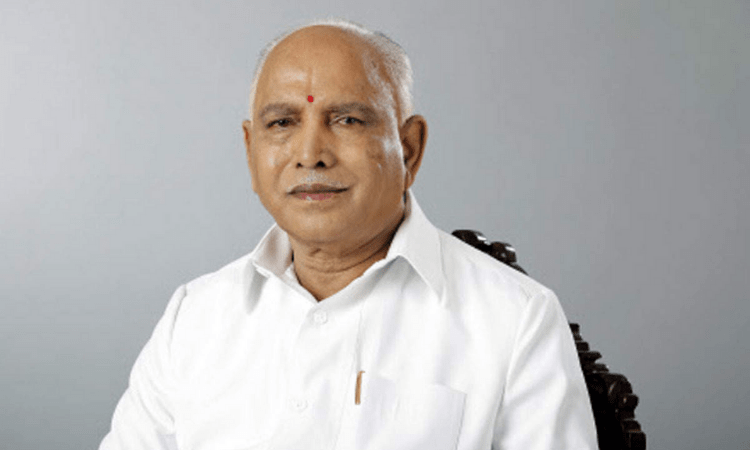
Even before the Legislature session commenced, Karnataka Chief Minister B.S. Yediyurappa on Monday hinted that the state was contemplating reducing the legislative session from eight to three days owing to the Covid-19 pandemic.

Speaking to reporters here, Yediyurappa said that more than 60 legislators have been tested positive, hence, we should think of reducing the number of days to three from eight. “We will discuss this issue in the Business Advisory Committee, where we will try to convince our opposition party leaders on this matter,” he added.

Meanwhile, reacting sharply to this, Karnataka Pradesh Congress Committee president, D.K. Shivakumar described that curtailing legislative sessions was an act of nothing but the death of democracy. “Don’t we require at least two hours discussing each bill?” he questioned angrily and asserted that the opposition party would stick to its earlier demand that the on-going session must be extended by at least another eight days.

Adding to Shivakumar’s views, Karnataka leader of the opposition, Siddaramaiah quipped that the Opposition will agree to a reduction of days only if the ruling party, BJP withdraws all its 32 bills. “Let them withdraw all bills, then we can think about it,” he retorted and asserted that if the ruling party decides to bring all bills then the opposition would demand for extension of the session by another two weeks. “I agree there is a spike in Corona cases and some of our MLAs are not able to attend. All that is fine, but that cannot be the only thing to reduce the number of days,” he stressed.

While former Karnataka Chief Minister and JD(S) leader, H.D. Kumarswamy too asserted that the ruling party was introducing many contentious bills and they do not want a discussion on it, hence, they want to use the pandemic as an excuse to hide its failures. “We will not allow it to happen,” he said.

Twitter inquisition helps China on corona origin

0

The dots are getting clearer; and there are so many of them that it is not very difficult now to join them and get the picture. The big picture, which is: Big Tech like Twitter CEO Jack Dorsey and Microsoft boss Bill Gates seems to be in league with the global public health mafia to end all freedoms that crystallized in the Age of Enlightenment, including free speech and the right to live as people want to live.

Concomitantly, they do everything to shield China wherever they can. The suspension of the profile of Chinese virologist Li-Meng Yan by Twitter is a testimony to the machinations of this unholy nexus.

Li’s crime? She had the courage to assert publicly that China had “manufactured” the coronavirus in a Wuhan lab.

Now, the narrative the tech tyrants have been peddling has a simple theme: all the problems of the world have been caused by US President Donald Trump. Used to genuflecting to the diktats of Beijing, they couldn’t allow the scientist to air her views because it did not conform to the dogmas they uphold, one of them being that the coronavirus is natural.

A large number of scientists are of the view that the coronavirus is natural, but there is no certainty about it, just as there is no certainty about it being man-made. Therefore, Twitter has no business to suspend Yan’s account just by saying that her tweets make “disputed claims on coronavirus.”

A few hundred years ago, the claims about the spherical shape of the earth were also “disputed.” In more recent times, the findings of S. Chandrasekhar, the Nobel laureate of Indian origin, were also disputed by top authorities; the findings included what later came to be known as the Chandrasekhar Limit. A leading English astronomer, Sir Arthur Eddington, called young researcher’s “mathematical game playing.”

Thankfully, there was no Twitter in the days of Copernicus, Galileo, Chandrasekhar, and other great scientists; otherwise, they too would have become the victims of the ‘cancel culture’ and ‘de-platforming’ that the radical Left is promoting and Bolshevik billionaires are enforcing.

Like the medieval church, with its claims of infallibility, the contemporary tech tyrants are convinced that they are divinely ordained to know the truth. They also have the power of money and digital might, so they have arrogated to themselves the authority to sit in judgment over the veracity of the statements of science. And not just science; they also spell out the digital norms of decency, propriety, etc.

Just like the Inquisition suppressed any views offensive to the church and dogma, the digital Inquisition squashes any heresy. Yan is clearly a heretic-and should be burnt at the Big Tech stake.

Google Pay adds tap to pay feature for Axis, SBI card users

0

Google Pay in collaboration with Visa and banking partners on Monday rolled out tokenization across its platform, enabling users to safely transact with their cards and use the Tap-to-pay feature on near-field communication (NFC)-enabled point of sale (POS) terminals and online merchants.

The feature is now available to users of Axis and SBI Card, with Kotak and more banks expected to follow suit very soon.

With tokenization, Google Pay Android users can use their debit or credit card to make payments through a secure digital token attached to their phone without having to physically share their credit or debit card details.

“We are hopeful that the tokenization feature will further encourage users to transact securely and safely in the current times, and expand merchant transactions both online and offline,” said Sajith Sivanandan, Business Head: Google Pay and NBU-India.

The feature also works with online merchants, delivering more native and seamless OTP experiences without any redirects to 3D Secure sites.

With tokenization, Google Pay will enable NFC-capable Android devices to make contactless payments at over 2.5 million Visa merchant locations.

It will allow users to scan and pay at more than 1.5 million Bharat QR enabled merchants and the customers can pay bills and recharges from within their Google Pay app using their card.

“Visa recently crossed over 1 billion token credentials globally and with Google Pay live in India, we expect these numbers to rise significantly. We are excited to partner with Google to further accelerate digital payment innovations in times to come for the Indian market and beyond,” said TR Ramachandran, Group Country Manager, Visa, India & South Asia.

To enable the tap and pay feature using the smartphone phone, users will have to do a one-time set up by entering their card details and follow it by entering the OTP they get from the bank to add their card to the Google Pay app.

After the registration, the feature can be used to make payments at NFC-enabled terminals, the company said.

“We are already live for Axis and SBI Cardholders with Visa payments network and are working closely with Kotak and other banking partners to further expand the adoption of card-based payments with tokenization in India,” Sivanandan added.

If it’s watershed moment, why farmers not celebrating: KTR

0

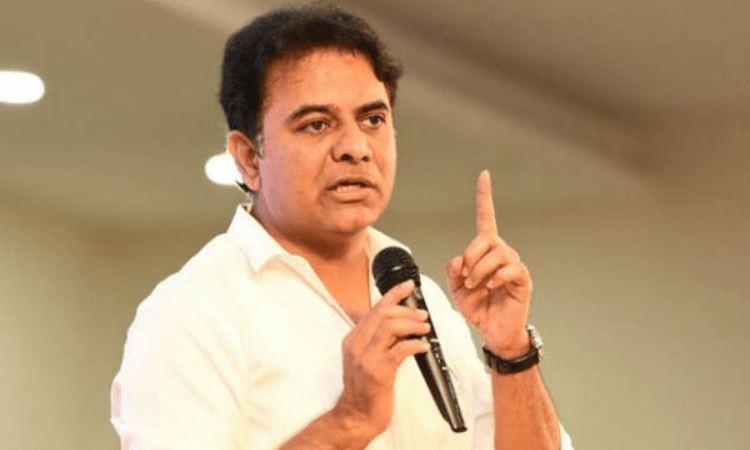
Telangana Rashtra Samithi (TRS) working president and cabinet minister K. T. Rama Rao on Monday differed with Prime Minister Narendra Modi’s statement that the passage of Farm Bills in Parliament is a ‘watershed moment’ for the agriculture sector.

“If the agriculture Bill is truly a watershed moment, why is no farmer celebrating and why are NDA allies resigning?” Rama Rao asked in an apparent reference to Modi’s comment.

After the passage of the two Bills by the Rajya Sabha on Sunday, the Prime Minister had described it as a watershed moment.

“A watershed moment in the history of Indian agriculture! Congratulations to our hardworking farmers on the passage of key bills in Parliament, which will ensure a complete transformation of the agriculture sector as well as empower crores of farmers,” Modi had tweeted.

Rama Rao, who is the minister for industry, information technology, municipal administration, and urban development, took to Twitter on Monday, disputing Modi’s claim.

He pointed out that when the Telangana Legislature passed the ‘farmer-friendly’ Revenue Bill last week, there was widespread jubilation and cheer among the farming community across the state.

The TRS opposed the Farm Bills in Parliament saying they would do a ‘lot of injustice’ to the farm sector in the country.

Telangana Chief Minister and TRS president K. Chandrasekhar Rao had said the Bills would benefit the corporates and adversely impact the farmers.

“For public consumption, it was stated in the Bills that farmers could sell their products anywhere in the country. But in reality, the Bills would enable the traders to go anywhere in the country to buy the produce. The Bills would also help the Corporate Lobby to spread to all corners in the country and pave the way to the private traders,” the Chief Minister said.

The BJP’s key ally Shiromani Akali Dal last week quit the Narendra Modi government over the passage of the Farm Bills.

In another tweet, Rama Rao, who is the son of the Chief Minister, slammed the BJP MPs from Telangana for claiming that the Centre released a staggering Rs 7,000 crore to Telangana in the fight against Covid-19.

The TRS leader said that the NDA government in response to a question answered that all they had released to Telangana was Rs 290 crore. “What an absolute shameful distortion & misleading propaganda,” remarked KTR, as the minister is popularly known.

IPL 13: Dhawan misses chance to equal Raina’s record

0

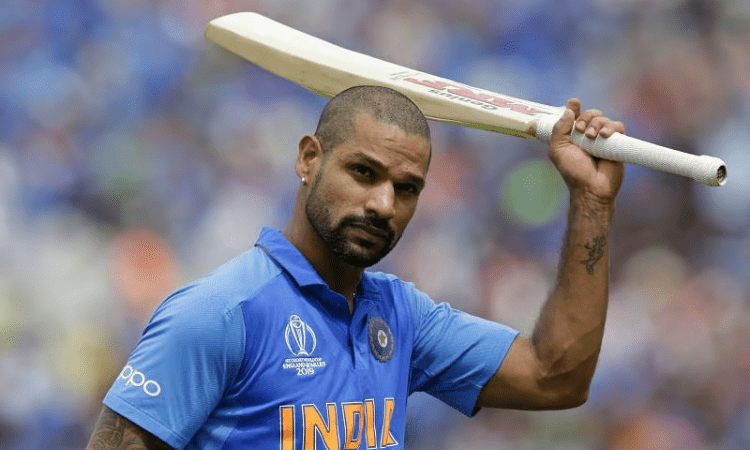
Delhi Capitals star batsman Shikhar Dhawan missed out on a chance to equal Suresh Raina’s Indian Premier League milestone.

During the Sunday game, Dhawan scored a duck as Delhi beat Kings XI Punjab in the one-over eliminator. The left-handed batsman has scored 37 half-centuries in 159 IPL matches so far and needed one more 50 on Sunday to equal Raina’s record of 38 IPL fifties — which is the highest by any Indian player.

After being pushed to the brink, the Delhi Capitals (DC) held their nerve to edge out the Kings XI Punjab (KXIP) in a heart-stopping Super Over decider to open their IPL campaign on a positive note.

After the 20-over-per-innings match was tied at 157 runs, the Super Over was enforced and in the pressure cooker situation, Shreyas Iyer’s Delhi team prevailed at the Sharjah International Cricket Stadium.

Bowling first in the Super Over, Delhi’s South African pacer Kagiso Rabada kept his cool to snatch two wickets and concede just a couple of runs to K. L. Rahul’s team. Chasing, Delhi easily hunted down the three-run target to start their campaign in this year’s IPL with a thrilling victory.

Amazon to unveil new Echo, Alexa devices on Sep 24

0

Amazon is set to unveil new Echo, Fire TV, and Alexa devices on September 24 and the Devices & Services team will showcase products across categories via a virtual event.

The company unveiled 14 new devices including an updated Amazon Echo speaker and a smart oven during a similar event last year.

There could also be updates about a host of hardware that Amazon makes — smart displays, security cameras. and wireless headphones Echo Buds, among others.

Amazon also offers a wide range of services, besides retail operations. That includes Prime Video service, Amazon Music, and the Audible audiobook service among other apps and websites.

However, the company has already made some major announcements about its services in recent weeks.

Only last week, Amazon Music launched podcasts in the US, UK, Germany, and Japan, across its subscription and ad-supported tiers of service at no additional cost.

Late last month, it introduced a wristband called Halo for health and fitness tracking, body fat, and emotions, along with a subscription service and a smartphone app.

Alexa is expected to play some role in every hardware or service that Amazon launches this week.

Despite fuel price cuts, OMCs improve marketing margins

0

Covid-19 pushed demand squeeze and fall in product prices, including that of fuel is unlikely to impact the profitability of oil marketing companies in the country as their net marketing margin on auto fuel is expected to surge in the coming fortnight with the expectation that it may remain at elevated levels for rest of the year, analysts tracking the sector said.

The net marketing margin of OMCs on sale of petrol and diesel has increased to Rs 4 per liter by mid-September from Rs 2.23 per liter earlier as there has been a correction in global auto fuel prices.

“This rise is likely despite the cut in the retail price of petrol and diesel by Rs 0.53-1.0/l since 5-Sep 20. The net margin would be Rs 4.39/l on 16-Sep’20 and Rs 5.01/l on 1-Oct if retail prices are not cut further,” ICICI Securities said in a report.

What this means is that Indian Oil Corporation, Hindustan Petroleum, Bharat Petroleum could strengthen their financial position in the Covid-19 year even though the demand conditions still look sketchy and sales have been tepid.

The brokerage has estimated that in FY21,

net marketing margin may be over Rs 3/l for OMCs higher than FY20 levels of Rs 2.3 per litre and analyst estimate of Rs 2.5 per litre. And this level could easily be achieved as the marketing margin on the sale of auto fuel has remained at around Rs 4.45 per litre till now and it would need margins to average just Rs 2.1 in the rest of the year to get an average FY21 margin of Rs 3 per liter.

According to ICICI Securities, upside to IOC and HPCL’s FY21E EPS would be 14-15 percent if the net margin is at Rs 3/l.

The global oil market has also played a role in boosting margins of Indian OMCs.

While the recent global oil price fall has pruned OMCs’ Q2FY21 inventory gains, it has boosted their GRMs (gross refining margin) and pushed up auto fuel marketing margins up despite cut in domestic retail prices.

Andhra police begin probe in Rs 117 cr CM Relief Fund scam

0

Andhra Pradesh police registered a case to unearth the unidentified criminals involved in the multi-city illegal money, Rs 117 crore, withdrawal attempt from the AP CM Relief Fund recently.

“A case has been registered in the Thulluru police station to investigate the AP CM Relief Fund scam,” a police official confirmed to IANS.

Andhra Pradesh Chief Minister Y.S. Jagan Mohan Reddy has ordered the Anti-Corruption Bureau (ACB) officials to go to the root of the case and unearth the details of the people involved in this massive racket.

Using forged cheques, conmen attempted to withdraw crores of rupees from the CM Relief Fund from New Delhi, Kolkata, and Karnataka.

Using cheques sanctioned to three people of value Rs 16,000 and Rs 45,000, the accused people forged them to withdraw Rs 117 crore.

The massive transactions were averted when bank officials suspected something amiss with those transactions and did not process them after confirming with AP officials.

Meanwhile, all transactions of the AP CM Relief Fund account have been suspended for safety.

IPL 13: Need to bat sensibly in the middle overs, feels SRH’s Rashid

0

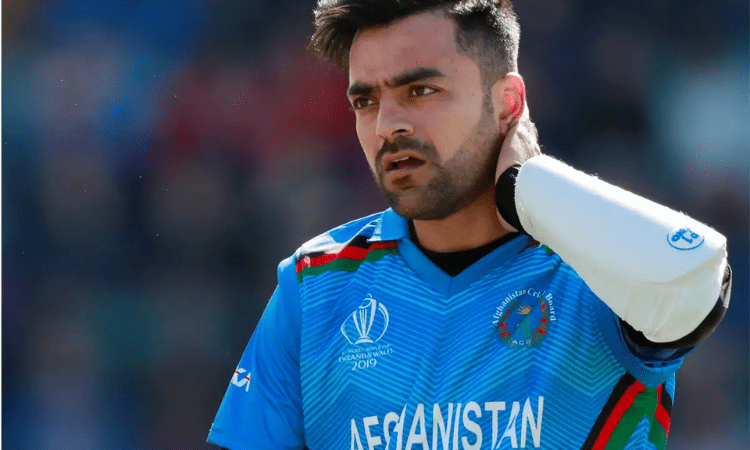
Sunrisers Hyderabad leg-spinner Rashid Khan has said the SRH middle order needs to play sensible cricket in the middle overs as they look to take on Virat Kohli’s Royal Challengers Bangalore (RCB) in the Indian Premier League (IPL) on Monday.

Speaking to the media via a virtual press conference, Afghanistan’s Rashid highlighted the importance of not always going for the big shots in the UAE.

“We have guys like Manish Pandey, Vijay Shankar, and other youngsters in the middle order; they all can hit the ball a long way,” Rashid said as quoted by Cricbuzz.

“But sometimes on big grounds, you need to play sensible cricket. So it’s not just about hitting big sixes as we saw last night (CSK vs MI) as well, how (Faf) du Plessis took it till the end and finished it well. I think the team that does these things well will be successful. That’s what matters in the UAE. When you play sensible cricket in the middle overs, I think it helps you to get the positive results as in the end, the power-hitters can give you 50-60 runs in the last five overs.”

Rashid also spoke about his batting exploits in the shortest version of the game.

“I always have this thing in mind that I am more effective when I bat in the last three-four overs where I can play my shots,” he said.

“When I was playing in the Big Bash, I was told clearly by the captain and the coaching staff that ‘Rash, this is when you are gonna go in, after 14th-15th over, that’s your time. It doesn’t matter if we are down one wicket or two wickets’. When you get the positive-ness from the coach and captain, you just focus on what you are going to do. But I shouldn’t be thinking about when I am coming in to bat. What I think about is what I can do in that time, whether it’s three overs, one over or one delivery.”

Ericsson acquires Cradlepoint for $1.1bn to boost 5G presence

0

Swedish telecommunication giant Ericsson has acquired Cradlepoint, the US-based market leader in Wireless Edge WAN 4G and 5G Enterprise solutions, for $1.1 billion.

The combined offering will create valuable new revenue streams for customers by supporting full 5G-enabled services for enterprise, and boost returns on investments in the network.

The investment is key to Ericsson’s ongoing strategy of capturing market share in the rapidly expanding 5G Enterprise space, the company said in a statement.

“The acquisition of Cradlepoint complements our existing offerings and is key to our strategy of helping customers grow the value of their 5G network investments. Ericsson is uniquely positioned to build on Cradlepoint’s leadership position in Wireless Edge and the wireless WAN market,” said Borje Ekholm, President and CEO Ericsson.

The transaction is expected to close before the end of Q4 2020, subject to closing conditions.

Wireless wide area network (wireless WAN) Edge solutions connect through 4G and 5G to deliver fast, secure, and flexible connectivity wherever and whenever it is needed for businesses, mobility, and critical frontline emergency services.

Cradlepoint is strongly positioned in a market with underlying growth of 25-30 percent.

“We have led the way in bringing the power of cellular networks and technologies to enterprise and public sector customers – helping them connect beyond the limits of traditional wired WANs. Ericsson with its global 5G leadership is a great match for us,” said George Mulhern, CEO and Chairman, Cradlepoint.

Founded in 2006, Cradlepoint has more than 650 employees, providing wireless WAN solutions that deliver enterprise-grade connectivity.

In addition to the company headquarters in Boise, Idaho, the company operates a research and development center in Silicon Valley, California, and new market offices in the United Kingdom and Australia.

With the acquisition, Cradlepoint will become a fully-owned subsidiary of Ericsson while continuing to operate under its existing brand.