Managing respiratory health during rains

0

While Maharashtra continues to grapple with COVID-19, the monsoon season has entered the state as well. Mumbai dwellers are now gearing up to tackle a range of other monsoon related infectious diseases while taking precautionary measures against coronavirus.

While most of us are to remain indoors, it is imperative that we take the necessary precautions to bolster our health during the season. When it comes to the respiratory system, our body reacts as per the surroundings we dwell in.

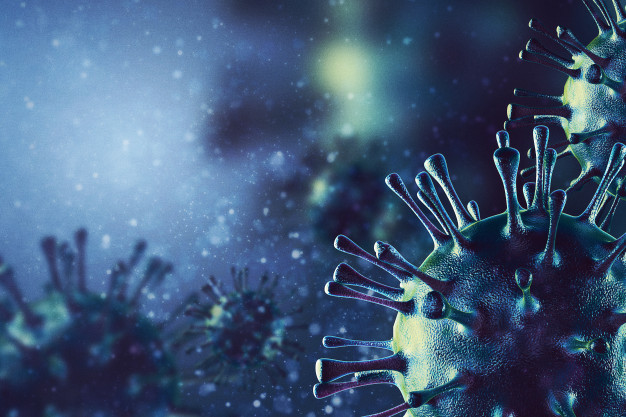
Indoor Air Quality (IAQ) refers to the air quality within the home and in enclosed spaces. Bacteria that are present in our homes become the invisible enemy; it is important to understand and subsequently control common pollutants that are present indoors. This will help reduce the risk and prevent you from being susceptible to a host of health concerns during the monsoons.

Common monsoon factors to consider:

  • With the rise in humidity, one may experience musty or damp odour; furnishings may feel damp as well with the arrival of overgrowth of fungus and mould.
  • Monsoons may also increase indoor bugs and insects
  • Allowing surfaces to become cooler than the surrounding leads to condensation and dampness; dampness due to the monsoon may initiate chemical or biological degradation of furniture and materials. This could lead to indoor air pollution. Dampness, therefore, is a strong indicator of risk of Asthma and respiratory symptoms like coughing and wheezing.
  • Health effects from indoor air pollutants may be experienced soon after exposure or, even later. The immediate effects due to adverse indoor air quality may show up shortly after a single exposure or repeated exposure to a pollutant. These may include: Irritation of the eyes, nose, and throat; Headaches or dizziness; and Fatigue, says Dr Prashant Chhajed, HOD-Respiratory Medicine, Hiranandani Hospital, Vashi and Fortis Hospital, Mulund

Immediate effects as the above are generally short-term and can be treated. The treatment includes simply removing the affected person’s contact or exposure from the pollution source. It is important to identify the source to ensure complete elimination of contact. It is often noted that after immediate exposure to indoor air pollutants, symptoms pertaining to diseases like Asthma may be displayed. If it is an existing condition, this could even aggravate or worsen.

Follow these tips to prevent or reduce exposure to indoor pollutants during the monsoons to stay healthy and fit.

  • Maintain adequate ventilation at home
  • During the day, if there is sufficient sunlight, keep the windows open so that pollutants can escape and cleaner air may set in
  • The house should be checked for water leaks and dampness to prevent the growth of any microorganisms
  • Cleaning of air conditioning filters should also be undertaken regularly
  • Patients with Asthma need to take special care during the monsoon and should also ensure that fungus does not grow on wooden furniture, and on other articles such as shoes and leather bags. Clean and store them in a dry space as this might be a trigger for Asthma or patients with Allergic Rhinitis
  • Ensure carpets, curtains and other fabrics in the house are clean and well dried
  • Avoid smoking next to children or the elderly
  • Ensure to wear clean and dry clothes at all times; avoid airing wet clothes in a closed room

The impact of COVID-19 on Indian Wedding Industry

0

The COVID-19 pandemic has taken a toll on almost every industry in the world and the Indian Wedding Industry, estimated around $50 billion, has now come to a halt. However, industry experts believe that Indian weddings will return with a spike in growth in the coming years and it will continue to be bigger once the virus threat is down to be negligible.

IANSlife spoke to Vikaas Gutgutia, Founder and Managing Director, Ferns N Petals, who ventured into the luxury wedding venues business in 2003, to know the impact of the lockdown on the Indian Wedding Industry and the wedding trends in post COVID era. Excerpts:

What impact the lockdown has had on the wedding industry and FNP Gardens?

Gutgutia: All the summer and spring wedding at our 11 venues under FNP Gardens are either postponed or canceled. Many couples have chosen to postpone their weddings to the winter season of 2020 or the beginning of 2021, whereas few who have canceled the bigger celebration are now opting for an intimate wedding. Because of these cancellations, all the associated units such as caterers, designers, make-up artists, wedding vendors, or planners have been affected to the core. We see this year, the revenue continues to stay below expectations. But there is no question Indian weddings will return with a spike in growth in the coming years.

How do you see the wedding scene in the country post this pandemic era?

Gutgutia: The Indian wedding market is ever-growing and has multiplied multifold in the past few years. However, due to this ongoing pandemic, things may change but wedding functions will never stop in India and we will come back stronger. Since, social distancing is the need of the hour, we are expecting a behavioral shift towards choosing the wedding venues. People will either opt for bigger space so that sufficient distancing can be maintained or they will prefer a smaller banquet which can accommodate only immediate family members.

Do you think the concept of a fat Indian wedding is passe now?

Gutgutia: While we have a collective history of extravaganza grand affairs, never thought the world will come to a standstill. Weddings has always been considered the most auspicious event in India and no expenses or thoughts were ever spared by people to turn it into a Big Fat Indian Wedding. Now weddings will be more mindful and conscious, but it will continue to be bigger once the virus threat is down to be negligible. Some of the clients we are getting in a pandemic are ready to wait for some time but they want their event to be opulent, just the way they desired. There will be sustainable measures and mindful execution in terms of venue selection, design, seating arrangements etc. adhering to the social distancing norms to execute the event smoothly and safely. This clearly shows big fat Indian weddings are here to stay!

Moving ahead, what role sustainability has to play as far as the wedding is concerned?

Gutgutia: This year has made us realize, that it’s high time that we give more priority to sustainability. Being, the biggest floral chain in India, we have always been closer to the elements of nature and now we will also implement them in our weddings. All the arrangements, be it décor, catering, lighting and so on will be done, minding the rules of sustainability. We are also promoting day weddings to support the idea of saving energy. On top of it, we are also planning to add eco-friendly elements to beautify the spaces for weddings. Therefore, we are trying to go on a sustainable path for weddings.

What trends do you see in the wedding scene in India?

Gutgutia: As we are seeing, couples are swapping their grand wedding celebration with small gathering or intimate wedding affair, so the ‘New Normal’ for celebrating weddings in a pandemic is different. Though we are sure grand celebrations will be back after normalcy in the situation. We are looking at smaller weddings with more personalization in arrangements. Strict precautions will become a major part while organizing mass gatherings. People would opt for open-air or outdoor spaces while making the venue selection, to have plenty of space that will help to maintain physical distancing as compared to an indoor venue. Furthermore, a well-thought-out seating arrangement with bigger tables will be counted as essential to maintain social distancing.

What changes are you adopting to cope up with the changing trends?

Gutgutia: We would make all the required arrangements as per the need of the hour. Be it the setup of our venues, installing sanitizing tunnels, tweaking the buffet style and so on… everything will be done in accordance with the need of the hour. There will be emphasis on top-notch hygiene standards as well as ensure contactless services.

Bengal BJP protests against hike in school fees amid lockdown

0

Hundreds of activists of the Bharatiya Janata Party (BJP) unit of West Bengal, led by the party’s Lok Sabha MP Locket Chatterjee, staged a sit-in demonstration protesting the hike in school fees in many private English medium schools.

The protest took place outside Vikash Bhawan in Kolkata’s satellite township Salt Lake that houses the office of the West Bengal Education Department.

Armed with banners and placards, the BJP activists demanded the withdrawal of school fees for the last four months as all schools remained closed owing to the Covid-19 lockdown. They also submitted a deputation to the state education minister on the matter.

“Many private schools have increased fees during this lockdown. Chief Minister Mamata Banerjee has already asked all school authorities not to increase fees but they have not paid any heed. The state education department is also sitting duck on the issue. It seems they have zero control over the private schools in the state,” Chatterjee told media persons.

She said that many parents have already raised the issue in different schools but the authorities are not considering their demand.

“We want the state government to deal with the issue with a humane face. People are in dire crisis. Their income has gone down due to the Covid pandemic. How will they pay increased school fees especially when the school remained closed for the past four months,” the BJP MP said, demanding the immediate intervention of the CM and state education minister Partha Chatterjee into the matter.

DIY Ayurvedic drinks for summers

0

In summers, dehydration is common amongst people of all age groups. The scorching heat makes us sweat more, consequently, the average water intake (1.5l or 2l) seems too less for our body. Drinking water all day, again and again, is what people find tiring. However, one can drink water by eating solid, that is, fruits and vegetables. Watermelon, cucumber, cantaloupe (kharbooja), and spinach are a few of the great sources of water. All of these have nearly 90 percent of water and anti-oxidants required to hydrate our skin and body from within. Ancient Indian scriptures recommend following an Ayurvedic seasonal regimen to maintain our energy, health and vitality during the harsh summers.

Dr. Partap Chauhan, Director, Jiva Ayurveda shares a few summer drink recipes that can help to cool your body on a hot summer day

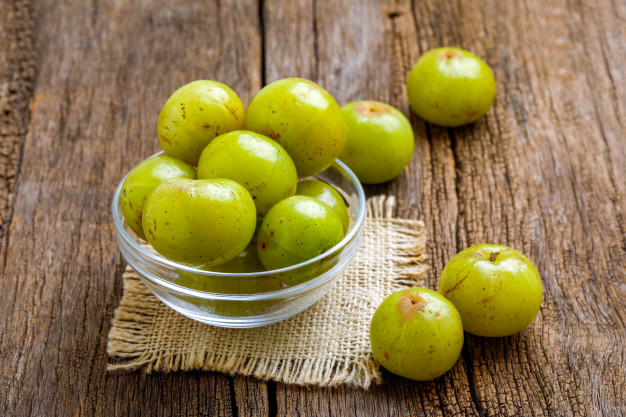
Amla Juice
Amla is one of the most beneficial gifts of nature. In Ayurveda, Amla finds frequent use in many formulations and treatments. Amla (Indian Gooseberry) is a rich source of Vitamin C, Calcium, potassium, iron, and Vitamin B-Complex. According to Hindu mythology, God Vishnu is said to reside in Amla trees and the tree is worshipped in Amlaki Ekadashi. The reason for so much respect for the green fleshy fruit comes from the fact that besides being a wealth of Vitamin C, this is also a very rich source of antioxidants that fights free radicals. The abundance of Vitamin C in Amla helps in keeping the hair black and fights infections.

Ingredients
Fresh Amla (Indian Gooseberry) – 1 kilogram, Sugar – 1 kilogram, Ginger – 250 Grams, Fresh Lemon – 10 to 15, Salt – 2 Heaped Teaspoons
Method
Cut the gooseberries in small pieces and mix with salt and let it stand for two hours.
In a pan, add the sugar with water and bring it to a boil to make syrup. Set it aside to cool.
Wash the salted amla in clean water, put it in a juicer and extract the juice.
Now add ginger juice and lemon juice to the amla juice.
Finally, add sugar syrup and store in glass bottle.
Serve by adding 1-part Amla juice to 5 parts water.

Kesar Chandan Thandai Recipe
During summers or otherwise, it’s important to keep the body well. Adequate intake of fluids keeps us physically as well as mentally active and the vital organs running optimally.

A cold, milk-based thandai that is very popular in India during the summers. This one is made from kesar (saffron) and Chandan (sandalwood paste), and it’s an excellent drink to have after long, tiring day at work. It’s refreshing, calms the body, and is full of essential nutrients. Sandalwood is a natural coolant. It helps bring down the body temperature. Sandalwood and saffron are extremely helpful in regulating the vatta and pitta in the body.

Ingredients
Saffron – 12-15 strands, Almonds – 100gm, Sandalwood powder – 25gm, Saunf (Fennel seeds) – 25gm, Khus-khus (Poppy seeds) – 25gm, Muskmelon seeds – 25gm, Dry ginger powder – 1 tablespoon, Black pepper – 1 tablespoon, Gulkand (Rose petal preserve) – 100gm, Sugar – 750gm, Water – 4 cups
Method
Soak the sandalwood power in water for 8-10 hours. Drain the water out and don’t throw the water away.
Soak the saffron in a cup of water. In the meanwhile, dissolve the sugar in hot water and make a thick paste. Into this, add the saffron and sandalwood water. Let it cool.
Soak almonds, fennel, black pepper, khus-khus, and muskmelon seeds in separate cups of water. After 6-7 hours, drain the excess water and peel the skin off the almonds. Grind all ingredients to a fine paste.
Add this mixture into the sugar-saffron-sandalwood paste we prepared in step 2. Now add gulkand and dry ginger powder to it.

Namkeen Sattu Cooler
Sattu is rich in fibre and aids in digestion. Sattu cooler is one of the popular drinks that originated from Bihar and it is known for its cooling properties.

Ingredients
Sattu (roasted gram) flour – 3 tbsp, Chilled Water – 2 glasses, Lemon – 1, Crushed Mint (pudina) – 8 leaves, Black Salt (kaala namak) – ¾ tsp, Cumin powder (jeera)- ½ tsp, Black Pepper (kaali mirch)- a pinch, Salt- ¼ tsp
Method
Combine the sattu flour and water together in a large bowl.
Add the lemon juice, mint leaves, black salt, cumin powder, black pepper powder and salt.
Pour into glasses, add ice cubes and garnish with mint leaves

Cool & Refreshing Falsa Sherbet
Falsa isn’t just a delicious fruit; it’s also full of goodness. For centuries, it’s been used as a treatment for liver and gall bladder problems. Since its rich in flavonoids, faalsa also helps protect against cancer. Faalsa purifies the blood, regulates cholesterol and blood pressure, prevents cough and cold, and relieves digestive problems like indigestion and acidity. Finally, it fights depression, builds stamina, cures insomnia, and works as an excellent cooling agent.

While most people enjoy having faalsa raw, you can also make a sherbet that is as delicious as it’s refreshing.

Ingredients
250 gms falsa, 1 litre water, 1tsp powdered cumin, 1 tsp rock salt, 125 gm Jaggery powder
Method
Soak falsa in water for half an hour. Dry the berries and sprinkle with salt. Leave them to macerate.
Mash well with a spoon and strain the softened berries through a sieve. Make sure you separate the seeds from the pulp.
To this falsa concentrate add powdered cumin (jeera), rock salt, and jaggery. If you want you can switch jaggery with other sweeteners like sugar or honey.
Add a litre of water and mix well.
Pour into glasses, add a few ice cubes, garnish with mint leaves, and serve.

Clix Capital shows interest for stake buy in Lakshmi Vilas Bank

0

Clix Capital Services has approached Lakshmi Vilas Bank for a potential investment in the bank.

In a regulatory filing, Lakshmi Vilas Bank on Monday said that it has received a preliminary, non-binding letter from the potential investor and its Board of Directors has considered it for further processing.

“The bank routinely evaluates capital raising options and proposals which are in its best interest. The Bank has received a preliminary, non-binding letter of intent (LoI) from M/s Clix Capital Services Private Limited & Clix Finance India Private Limited dated June 12, 2020, which the Board of Directors of the Bank has considered for further processing in their meeting held today (15th June 2020),” it said.

It said that under the non-binding LoI, the proposed transaction is subject to completion of due diligence, which the bank and the intending parties will be carrying out and will be subject to regulatory and other customary approvals.

“In the event, the discussions between the contracting parties in relation to the proposed transactions are successful and definitive agreements are executed, we will make appropriate disclosures as required under the provisions of applicable law,” the filing added.

The bank in the past couple of years has faced liquidity and asset quality issues and has been looking for prospective investors and buyers. It had come up with a merger plan with Indiabulls Housing Finance last year but it was not approved by the Reserve Bank of India.

How hypertension can affect male fertility

0

Hypertension or high blood pressure has become a common problem because of the lifestyle we lead. From our food habits to sleep patterns, to the levels of stress, all of these are major contributors. Through several types of research, it has been found that hypertension is known to affect about 700 million men in the reproductive age group.

As the age of paternity rises in the developed world, issues of chronic disease may affect prospective fathers. Given the high prevalence of hypertension, researchers have begun to explore the relationship between hypertension and fertility-related issues in men as well.

The current literature suggests an association between hypertension and semen quality. We know that hypertension affects the heart, brain, kidneys, and eyes. It is also an inseparable part of metabolic syndrome which also includes obesity, diabetes mellitus, and dyslipidemia, says Dr. Praveen Joshi, UroAndrologist, Cloudnine Group of Hospitals, Bengaluru.

But what we have ignored so far is the connection between hypertension and male fertility problems. Poor seminal parameters in men has become an area of global interest as they present higher mortality compared to normal semen analysis group, says the expert.

Dr. Joshi explains how hypertension can affect male fertility either directly or indirectly:

Direct effect: Hypertension has been found to cause structural changes in the testis which leads to inefficient functioning. Men with hypertension were found to be more likely to have one or more semen abnormalities compared to normotensive men. It has been found that hypertensive men have lower semen volume, lesser sperm concentration (number of sperms), and total motile sperms (capacity of the sperms to be forward). Some of the studies have shown that hypertension is associated with alterations in semen quality, evidenced by abnormal sperm morphology (normal-appearing sperms) and increased sperm DNA fragmentation (Fragmented DNA or poor genetic content of the sperm). This not only worsens the chances of conception but also increases the risk of miscarriages by 15% -20%

In fact, a study evaluating the relation between HTN and endocrine disorders revealed lower serum testosterone. Testosterone is found to be 10% lower compared to normotensive men. And Testosterone is necessary for sperm production and maturation process of sperms.

Indirect Impact of Hypertension
Other known risk factors that have been linked to Hypertension and fertility-related issues in men are as follows. It is usually associated with other metabolic comorbidities like Diabetes Mellitus, Dyslipidemia, Obesity, and Insulin Resistance. Hypertension can cause erectile dysfunction which may make it difficult for the couple to try for natural conception. In fact, Erectile Dysfunction can be considered as an early warning of cardiovascular illness and is predicted to precede a major heart attack by 5-7 yrs.

Sometimes the medications for HTN can be associated with semen abnormalities. Of all the groups of antihypertensives, beta-blockers have been found to have the highest abnormalities in semen parameters. The use of beta-blockers was associated with lower semen volume, sperm concentration, motility, total sperm count, and total motile sperm count.

So it is very important to know your health. It cannot be emphasized more to consult your doctor regularly in order to identify and control hypertension. One must do regular exercise to prevent metabolic syndrome and prevent obesity and Diabetes. The reproductive health of a man is becoming a window to his overall health. Awareness about these issues not only allows to prevent infertility issues but also allows to avoid cardiovascular complications.

Above all:

Examine how your job is affecting your health. If your job is extremely demanding, reducing the amount of heavy lifting you do could be beneficial.
Combat high blood pressure with a healthy diet and appropriate physical activity.
Maintain a healthy weight.
Practice stress management techniques.

Ravindra Jadeja is a best current fielder : Steve Smith

0

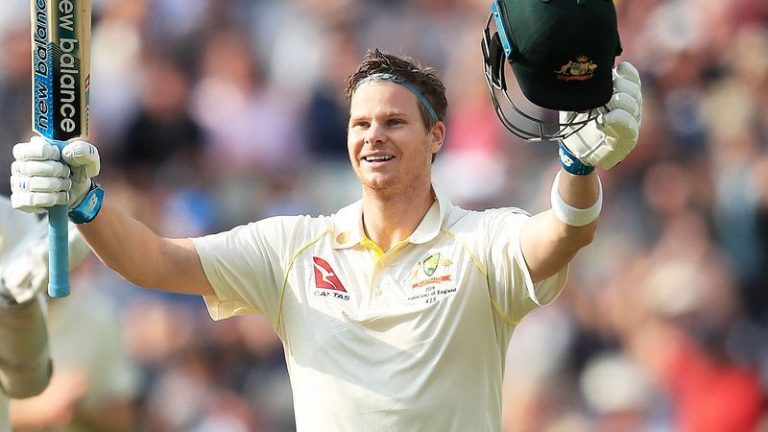
Steve Smith engaged in a Q&A session on Instagram on Monday and met with numerous queries on cricket. During one such question, the former Australia captain dropped a huge compliment for Team India all-rounder Ravindra Jadeja. When a user asked Steve Smith, who is the “best current fielder according to you”, he named Ravindra Jadeja. Besides Ravindra Jadeja, prominent Team India players such as MS Dhoni, Virat Kohli, KL Rahul and Rohit Sharma were also mentioned in Steve Smith’s Q&A session posts.

When asked about one word to describe Dhoni, Smith replied: “Legend! Mr Cool”. The Australian titled Kohli “Freak!” and Rohit “Hitman”, while Rahul was mentioned as “very good player” when a user asked Smith to name an Indian cricketer that has impressed him the most.

Earlier, during a podcast with Ish Sodhi organised by Indian Premier League (IPL) franchise Rajasthan Royals, Smith had named Jadeja as the toughest bowler he has faced in the subcontinent.

“Jadeja in the sub-continent… why he is so good because, he hits that good length and one ball skids on and one spins, and it just all looks same out of the hand. I think consistency in length is key and then having at least one variation,” he said.

Recently, Jadeja was in news for failing to disclose his whereabouts during the coronavirus lockdown to the National Anti-Doping Agency (NADA). He was among five centrally contracted Indian cricketers to receive notices by NADA for failing to disclose their whereabouts as the BCCI cited “password glitch” as the reason for delay.

The other players to have received the notice include Cheteshwar Pujara and KL Rahul and women cricketers Smriti Mandhana and Deepti Sharma, who are among the five cricketers in the 110 strong National Registered Testing Pool (NRTP).

Earthquake struck near Rajkot in Gujarat

0

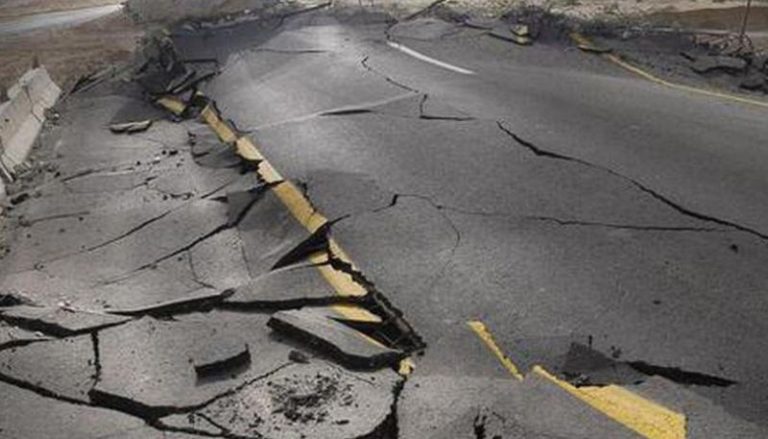
A 4.4 magnitude earthquake struck near Rajkot in Gujarat this afternoon. This was the second quake to hit near the city in less than 24 hours. The epicenter of the earthquake – reported around 12:57 pm – was about 82 km northwest of Rajkot, according to the National Center for Seismology (NCS).

Last night, Rajkot experienced tremors as a 5.5 magnitude quake stuck 118 km north-northwest of the city at 8:13 pm, as per the NCS, the government’s nodal agency for monitoring seismic activity in the country.No damage was reported from the state which has reported the fourth-highest number of coronavirus cases in India.

“Entire Saurashtra and north Gujarat regions, including Ahmedabad, felt the impact of the quake. The aftershock was of lower intensity. There is no report of any major damage to life and property from any area after the quake,” Deputy Chief Minister Nitin Patel was quoted by news agency PTI.

Chief Minister Vijay Rupani held telephone conversations with the District Collectors of Kutch, Rajkot, and Patan, regions where the quake was felt and from where tremors were reported. His office said officials had been told to report damages and activate disaster management cells if needed.

This morning, four medium intensity quakes hit 90 km east of Jammu and Kashmir’s Katra felt tremors, according to official data. A 3.8 magnitude earthquake had struck near the city last night shortly after several parts of Gujarat were jolted.

As many as 14 quakes have hit Delhi or nearby regions, in the last two months, with a 4.5 magnitude event near Haryana’s Rohtak the biggest. “There is no need to panic but it is important to undertake preparedness and mitigation measures to reduce the risks,” NCS chief BK Bansal said last week.

Tremors are being felt in different parts of the country at a time when a lockdown is being eased to boost economic activity amid coronavirus.

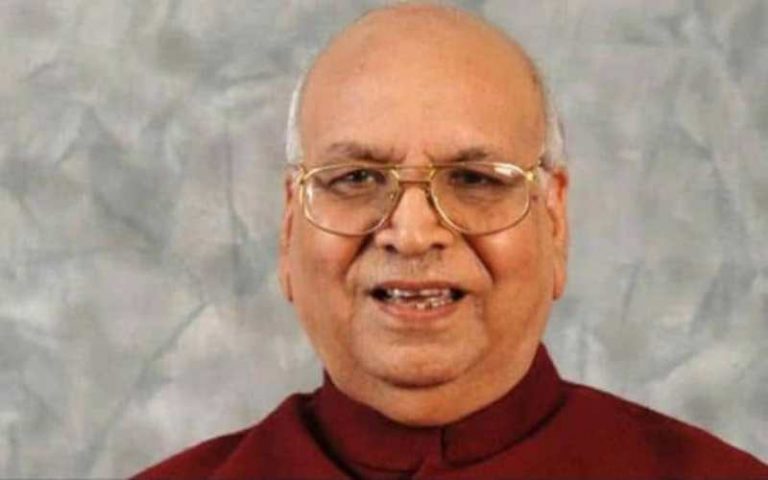
Madhya Pradesh Governor Lalji Tandon in ICU

0

Madhya Pradesh Governor Lalji Tandon continues to be in the ICU of a private hospital in Lucknow, officials said on Monday.”He is undergoing intensive treatment,” Medanta Hospital Director Dr. Rakesh Kapoor told PTI.

Mr Tandon, 85, was admitted to the hospital on the morning of June 11 with breathing problems, difficulty in urination, and fever.

On Sunday, Uttar Pradesh Chief Minister Yogi Adityanath visited the hospital and enquired about his health.

Mr. Tandon was kept under the supervision of doctors and his condition improved following the treatment given by experts, the hospital said in its medical bulletin on Sunday. His COVID-19 sample report came out negative at the time of admission, it said.

South Actors Pay tribute to Sushant on Twitter

0

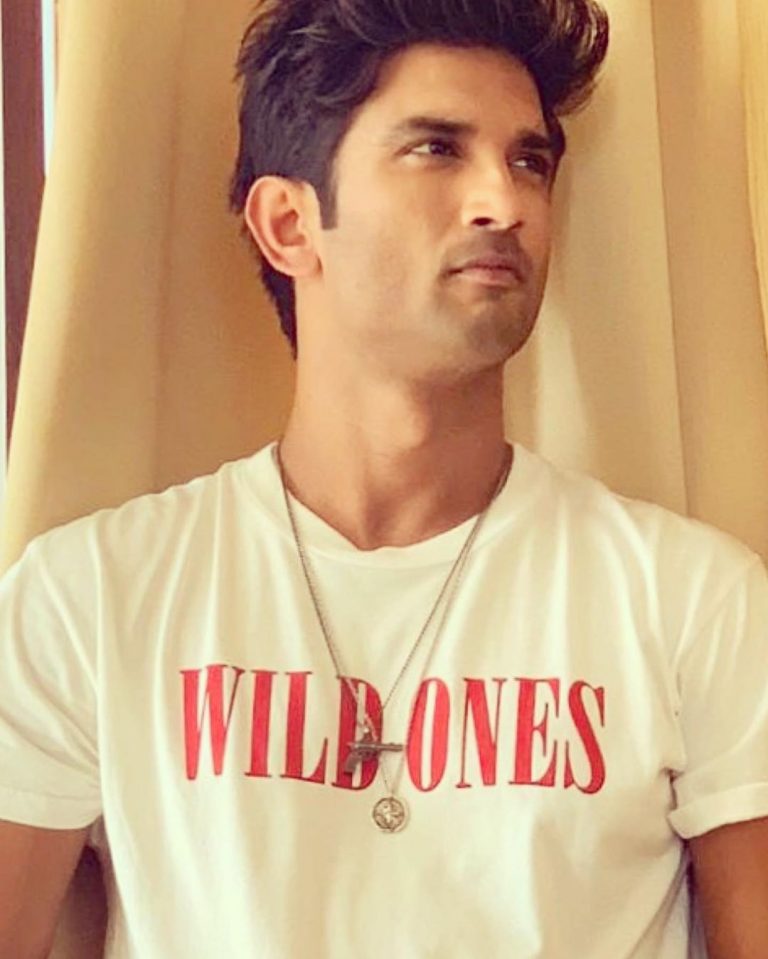
The unexpected death of Bollywood star Sushant Singh Rajput has left the film industry shocked and heartbroken. The actor, 34, was found dead at his home in Mumbai on Sunday morning. Remembering Sushant, members of the Southern film industry such as Mahesh Babu, Ram Charan, Prithviraj Sukumaran, Tamannaah Bhatia, Dulquer Salmaan and others also paid tribute to the actor on Twitter.

https://twitter.com/urstrulyMahesh/status/1272108729605873666

https://twitter.com/tamannaahspeaks/status/1272102350186938368

https://twitter.com/PrithviOfficial/status/1272111479622418438

Karan Johar is being accused of nepotism

0

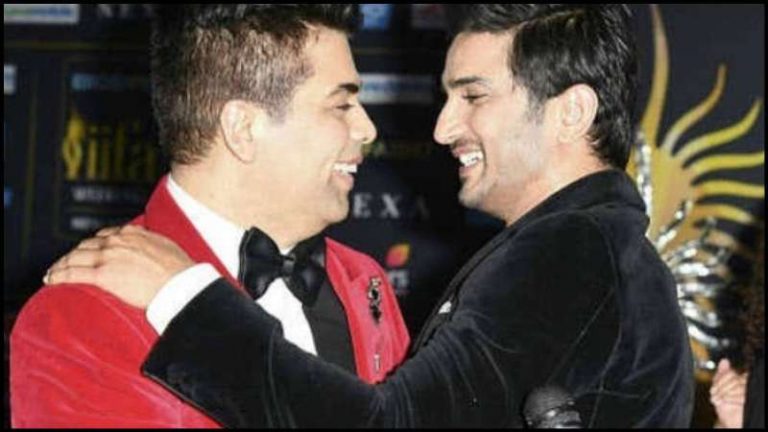
Two members of the film fraternity have been placed under scrutiny by social media for sharing emotional tributes to actor Sushant Singh Rajput, who was found dead at his Mumbai home on Sunday. Twitter is shredding filmmaker Karan Johar and actress Alia Bhatt for having previously spoken dismissively about Mr. Rajput on the show Koffee With Karan – both Mr. Johar and Ms. Bhatt posted tributes to Sushant Singh Rajput; Mr. Johar also wrote a self-recriminatory note blaming himself for not having been in touch with Mr. Rajput over the last year. “I’m in a deep state of shock,” tweeted Alia Bhatt on Sunday, “You left us too soon.” Karan Johar wrote in his tweet, “This is heartbreaking. I have such strong memories of the times we shared.”

On Twitter, both Karan Johar and Alia Bhatt are being censured for an episode of Koffee With Karan in which, asked to rate three male actors in a Rapid Fire question – the choices were Sushant Singh Rajput, Ranveer Singh and Varun Dhawan – Ms. Bhatt said, “Sushant Singh Rajput, who?” This has been flagged several times in the comments thread on both Ms. Bhatt’s tweet and Karan Johar’s.

Karan Johar is also once again being accused of nepotism and favoring Bollywood insiders over the likes of Sushant Singh Rajput, who belonged to a non-film background. Mr. Johar has been previously involved in controversial conversations about nepotism and favoritism, notably when actress Kangana Ranaut called him the “flagbearer of nepotism” on Koffee With Karan. Mr. Johar later chanted “Nepotism rocks” at the IIFA Awards, along with actors Varun Dhawan and Saif Ali Khan – all three have parents who worked in the film industry.

Sushant Singh Rajput was among the industry’s more talented actors. He rose to stardom on the television show Pavitra Rishta and then made the jump to Bollywood in director Abhishek Kapoor’s 2013 film Kai Po Che! His film credits include MS Dhoni: The Untold Story, Kedarnath, PK, and the extremely well-received Sonchiriya and Chhichhore.

American parents concerned more about ticks than mosquitoes

0

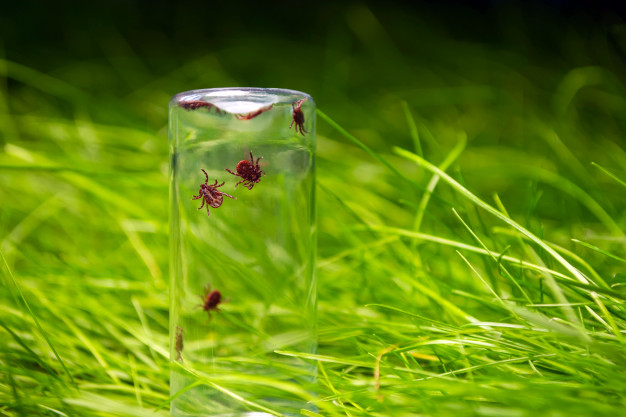
When it comes to bug bites, most parents in the US are twice as likely to be concerned about ticks as they are about mosquitoes transmitting disease, a new poll has revealed.

Just one in three parents use a bug repellent on their child that contains DEET, which is most effective in repelling mosquitos bit is less effective in repelling ticks, according to the C.S. Mott Children’s Hospital National Poll on Children’s Health at Michigan Medicine.

“Many bug bites from mosquitoes and ticks will cause irritation or discomfort for children. But in some less common instances, they may also potentially transmit disease,” said poll co-director Gary L Freed from C.S. Mott Children’s Hospital National Poll on Children’s Health at Michigan Medicine.

Among diseases, ticks may carry is Lyme Disease, a potentially serious bacterial infection that can cause flu-like symptoms and joint pain and weakness in the limbs.

“But as children spend more time outside, families may not always know the best way to protect them from both of these pesky insects,” the findings showed.

Among parents who use bug repellent, just one in three use ones containing N, N-Diethyl-meta-Toluamide (DEET) – which is most effective against.

“Choosing the appropriate bug repellent can be confusing for parents.

“Some may protect against mosquitos but not ticks, for example. Parents should research the options and recommendations before deciding what to use based on their child’s age and their outdoor plans,” said Freed.

Most parents said they usually use bug spray for their children, but they are more likely to do so in wooded and swampy areas than at a local park or in their yard or neighborhood.

The best repellant for ticks is permethrin, but it should only be sprayed on clothing and never directly on the skin.

Nearly half of parents polled choose a repellent specifically advertised for children while 30 percent use “natural” or homemade products.

Oil of lemon eucalyptus is among recommended alternatives for those who prefer a chemical-free repellent but should only be used for children over three years.

Parents say they often have their child wear long pants and sleeves, light-colored clothing or always wear shoes. About one in five parents have their child avoid soaps or shampoos with a floral scent.

“Because some mosquitoes and ticks may carry certain diseases, parents should contact their child’s health care provider if their child develops fever, headache, or body aches within 3-14 days of a bite,” Freed said.

Experts recommend using tweezers as a first choice, grasping the tick close to where it’s attached and pulling straight up without twisting or crushing the insect.

Kohli sledged me for talking to his ex-girlfriend, reveals Compton

0

Former England batsman Nick Compton has revealed that he was sledded by Virat Kohli during the team’s tour of India in 2012. Compton, who made his Test debut in that series, said that Kohli didn’t like the fact that the England opener had chatted with his ex-girlfriend and was thus after him throughout the four-match rubber.

Compton said he had bumped into Kohli’s ex-girlfriend before the start of the series at a gathering in Ahmedabad in which former cricketers Kevin Pietersen and Yuvraj Singh were also present.

“I definitely got a few words from Virat Kohli during the series. I think I bumped into his ex-girlfriend at the time before the series when out for an evening with Kevin Pietersen and myself, Yuvraj Singh… all of us were there, and she was there,” Compton said while speaking on the Edges and Sledges Cricket Podcast.

“I just chatted to her and the word got back that I was speaking to her, and I don’t think Virat Kohli was very happy with that. He had a few words to say to me every time I walked out to bat. He was trying to say that it was his girlfriend, and she was saying that it was her ex-boyfriend. It was like, ‘Who’s got the story right here,’ you know what I mean?” he added.

Compton, who played 16 Test matches for England, said it was quite funny at the time and now when he recalls the incident, he ends up smiling about it. “We used it as a way to keep winding him up and, you know, trying to get in his head.”

England had won that four-match Test series 2-1, their first in India since the 1984-85 tour.

A recipe for a $5 trillion economy by 2024

0

India always had problems in dealing with the spectrum.

— We wasted valuable wireless spectrum for fixed-line services in 1995, unlike any other country, after the erroneous decision that expensive mobile phones were not for the poor Indians. The decision was reversed in 2004 but led to a lot of inspired criticism by mobile incumbents.

— Earlier, the government approved a Convergence Bill in 2001, for more efficient use of spectrum, but was not approved. The government/regulator, therefore, approved a Unified Access License in 2004, a reduction in interconnect charges and tariff forbearance. But, it took inefficiently long to bring in these changes (it had to be done in stages, by many regulatory efforts). Unified License reduced tariffs 50 times, but increased government revenues. Mobile numbers growth immediately increased 10 times, and gradually 200 times, three times ever the leader, China. 3G spectrum auctions were efficient later, though delayed, and showed the huge loss in 2G allocation and crony capitalism involved, the basis of the CAG report. The allocations led to litigation and differing and controversial judgments by the Supreme Court/CBI Court, the issue still remaining open, but this was one of the issues on which the UPA lost heavily to NDA, in the ultimate court of elections in 2014.

— 4G auctions were conducted efficiently, even though they were delayed, and now we have come to 5G auction issues, with an ET news item commenting, “India is set to miss the ‘5G bus’ following the lack of preparedness, unavailability of sufficient spectrum, absence of encouraging use cases, and uncertainty around radio waves sale for the next generation of telecom services.” This is despite India appointing A.J. Paulraj (winner of the Marconi Prize) Committee to give the recommendations to the steps required. They gave the report in mid-2018, and despite giving the schedule, we have not moved fast. In the past, Prime Minister Modi-led government maintained that it “won’t afford to miss 5G bus” like in the case of 2G, 3G, and 4G technologies that were deployed in India way later than many countries, thus losing the many early user advantages.

5G and India: Before we discuss, let us understand the nature of use of 5G. For a layman, 5G is just next-generation wireless infrastructure which will provide the voice and data services. However, it will impact much more due to its bit-level intelligence characteristics. 5G will provide an array of network intelligence which will get translated into precise and demand-led resource allocation.

1G came in the 1980s and provided basic voice services, 2G in the 1990s and enabled voice and SMS services due to its digital standards, 3G came in the 2000s and introduced data services along with voice and SMS that enabled multimedia services. 4G pure IP network, came in the 2010s, and enabled the application services and partially merged the telecom and information technology which gave boom to platform services.

The architecture of 5G is designed to handle the connection of billions of devices including industrial machines with seamlessness and reliable data transfer with much faster speed. 5G is not only about high-speed boost but it is about the intelligence at the bit level and low latency which will make it the foundational tech for multiple new tech., including self-driven cars, AR & VR, telemedicine, robotic surgery, powering future smart cities, IoT, m2m, AI and manufacturing. 5G will change the future warfighting too due to increased situational awareness to increase the command and control of the battlefield. Once these networks come, 2G and 3G networks can be abolished, like in other countries for better overall spectrum utilization. We have not started.

Industrial revolutions and change: It has been shown that industrial revolutions change the world. Hirschman had said that these revolutions occur every 70 years. This was proved in IR 1.0, 2.0 and 3.0. The US and the West’s GDP went up five to six times in IR 1.0 & 2.0, while India and China went down 10 times (colonial loot was also the reason).

Growth reversal with IR 3.0: But IR 3.0 changed the world with the technology being on a connected net and with globalization, available to the Third World (right from the beginning). Of course, the US helped China a lot post-1980, in technology dispersal, and helping China with accelerated WTO membership in 2001. This led to China growing eight times and India 2.5 times in a few years.

IR 4.0 and 5.0: The world is now moving to the fourth and the fifth industrial revolutions in quick succession. Providentially, these revolutions are also happening on the same wire or wireless lines as in IR 3.0, and we have bright Indian minds working in the digital sector like Nadella, Pichai, Arvind Kuar, Banga, Tata, Kohli, Nilekani, Narayana Murthy, Patni, Soota, Premji, and millions of others located in Silicon Valleys around the world. The most exciting additions to the list are Mukesh Ambani, Sunil Mittal and Kumar Mangalam Birla. They have kept the mobile sector alive despite crony capitalism, and given the appropriate ambiance, they should do very well now. Through them, and despite Covid, the world has shown confidence in the Indian economy.

China should do well because of enormous investment, past technology thefts, uninhibited US support till 2015, and R&D. The fifth IR will happen with IT getting connected to human minds (AI and beyond). IR 5.0 having reached the human mind, perhaps cannot move beyond, and the 6th IR has to be in another area, maybe the planets, as visualized by Jeff Bezos. Again, India is well-placed. Creating an appropriate environment is key.

Role of the private sector: It may also be recalled that the 2G rollout had created strong private sector companies and from 10 percent private network, it had gone to 80 percent (though the public sector had grown too). Later, despite crony capitalism, they had survived, and are today, India’s main hope to take us forward. With 5G networks being more powerful, they will surely impact GDP growth much more than the earlier generation networks and move the country towards Namo’s $5 trillion economies in 2024.

Fiscal pressure on the government – we can ill-afford to ignore: We are today also hit by Covid, huge bank NPAs, financial crisis, fiscal deficits and fall in investments. 5G rollout is an opportunity for huge network (and downstream) investments by existing private sector companies and their networks all over the country, without putting any fiscal deficit pressure on the government. I had, therefore, anticipated in my China book and articles, that the present is ‘providence’ for India, like it was ‘providence’ for China in the 80s with an imaginary ‘cold war’.

Pricing Issues: A word about pricing here – our entire 2G revolution came after tariff forbearance, and liberal availability, connectivity and regulatory reforms. Obviously, once 5G revolutions get moving, the disruptions would be higher. Indian economy/GDP did well during IR 3.0, its DNA being more IT-centric, demonstrated by high growth in these sectors during some periods of IR 3.0, when regulations were right (2004 to 2010), particularly vis-a-vis China, and also the Indian minds being more IT-centric, demonstrated by the success of IT (software) and mobile revolutions.

World Digital Economy: In 2019, the world celebrated the first full year when more than half of the world (51.2 percent, or 3.9 billion people) had begun to participate in the global digital economy by logging onto the internet, from almost zero a couple of years back. The world is turning fully digital, and networks converging very fast. China has touched 840 million subscriber base and will be 1 billion at the end of 2020, with superior speed, whereas India has only touched 600 million broadband subscribers.

The world will thus transform itself to a form that during IR 4.0 and 5.0 the versatile 4 and 5G networks will be more valuable than all other infrastructure, like roads, rail and air transportation systems etc. Looking at the future, China has created companies which are leading in 5G, AI, quantum computing and other digital products and shaping up the digital behaviour of the people because they are deploying networks faster and learning by doing it.

China is also leading in the standardization and patents of the digital ecosystem, manufacture of equipment etc. In contrast, the Indian 5G process is yet to commence (allocation of spectrum and installation of 5G equipment), though we have done extremely well despite late start in the past. India can grow in IR 4.0 given its human capital pool, the start in the use of algorithm prowess and an established IT hub, only if we install 4G and 5G systems adequately. But expensive and presently unviable (for India, since IR 4.0 and 5.0 industries and services have not started) 5G systems are likely to come in slow. Also, the spectrum and equipment prices are anticipated to be high. Unless both spectrum and equipment prices are low and heavily backloaded, I do not see India coming out of the jigsaw puzzle, and not falling back severely in the digital war. And if we miss India’s turnaround moment, India’s vast market and trained manpower will be used by advanced countries to develop 5G / IR4.0 and 5.0 networks fast. The Paulraj Committee recommended that 5G will mature between 2019 and 2024. India should take lead and become an innovator in 5G applications.

(Pradip Baijal is former Secretary, Disinvestment and former Chairman, TRAI. This article is in continuation of his book, Containing the China Onslaught, published by Quadrant, and available on amazon.in and walmart, and further to a review of China’s growth in Defensive Offence https://youtu.be/gFmRP3whXmU)


Migrant Kashmiri Pandits reject Rs 2,340 cr funds probe order

0

Migrant Kashmiri Pandits on Monday rejected an inquiry ordered by the Jammu and Kashmir government into an alleged scam of Rs 2,340 crores involving relief funds meant for the migrant Pandit community.

In a statement on Monday, Satish Mahaldar, chairman of reconciliation, return and rehabilitation of Pandit community said: “We reject the inquiry committee set up by the J&K government to investigate the scam of Rs 2,340 crores.

“We had brought the scam to light on May 17 with documentary evidence to prove how political activists of the National Conference and the Peoples Democratic Party were getting monthly monetary benefits from the exchequer from the share meant for the members of the Kashmiri Pandit community.

“We had sought an investigation by the Central Bureau of investigations (CBI) or the Anti-corruption Bureau (ACB).

“Instead, the government has formed a committee that includes members who were involved in the process of enrolling the activists and disbursing relief to them.

“It seems the committee has been formed to cover up the scam.

“We reiterate our demand for an independent inquiry since the amount involved is huge and the people have the right to know where the amount has gone”.

In the past also there have been reports of financial irregularities being committed in disbursing relief to migrant Pandits and even in the registration of families of migrants who live outside Kashmir.

Yogi’s high-level teams to visit 11 corona hit districts

0

The Yogi Adityanath government will now send high level teams of senior bureaucrats and health officials to 11 districts that have a high presence of corona cases.

The teams will coordinate with nodal officers appointed by the state government for the purpose.

The decision comes amid the increasing number of hotspots in the state. Till Sunday, the total number of hotspots had risen to 2,265 covering over 9.85 lakh houses with a population of over 58.37 lakh people.

At present, Gautam Buddha Nagar has the highest viral load, with 498 active cases, followed by Kanpur (288), Ghaziabad (272), Lucknow (198) and Meerut (170).

Agra has the highest number of overall cases — 1,038, but just 125 of them are active.

According to Additional Chief Secretary, Home, Avanish Awasthi, the number of corona positive cases in these hotspots was 4,929.

The Chief minister further directed doctors, nurses and paramedic staff to establish a communication with the attendants of the corona infected people. He also directed officials to monitor paramedical staff and ensure adequate cleanliness in Covid and non-Covid hospitals.

At the same time, the Chief Minister has also directed police to increase patrolling in crowded areas and take all possible steps to enforce the guidelines of the Centre during the ‘unlock 1’.

Australian states reveal further easing of restrictions

0

Australia’s two most populous states have outlined plans to further ease COVID-19 restrictions, including resuming gyms, cinemas and music festivals, despite new cases still being recorded.

Officials in the state of New South Wales (NSW) and Victoria said on Sunday that the COVID-19 shutdown would be progressively wrapped up over the coming months, giving local economies a chance to recover, reports Xinhua news agency.

From July 1, all businesses in the state of NSW, including cinemas, amusement parks, show grounds, among others, will be allowed to reopen with social distancing measures in place.

The only exception will be night clubs which have been the source of cluster outbreaks elsewhere in the world, however, officials suggested that they too will potentially reopen in August given low infection rates.

NSW officials also revealed that effective immediately the cap on funeral attendees would be lifted as long as mourners stick to the blanket limitation of one person per four square meters of floor space.

Meanwhile, in the neighboring Victoria, limits on the number of people allowed in pubs and restaurants will be increased from 20 to 50, in line with regulations already in place in NSW, starting next week.

Public facilities in Victoria such as campgrounds, gyms, swimming pools, and gaming venues will reopen from June 22, while community sport, including full contact, will take place from mid-July.

The announcement comes after a dramatic reduction in the number of cases nationwide, however with over a dozen positive tests since Friday, some are worried the easing of restrictions may be premature.

On Monday, two schools in the Victorian State capital of Melbourne were closed after four students tested positive for COVID-19.

State officials said that they would implement a more targeted approach to testing in order to maintain a barrier against potential clusters, including ramping up testing in areas where numbers are low.

As of Monday, Australia had 7,320 confirmed cases of COVID-19, with 102 deaths.

Danish Kaneria appeals PCB to remove life ban

0

Tainted Pakistan spinner Danish Kaneria has appealed to the Pakistan Cricket Board (PCB) to remove the life ban and has sought permission to play domestic cricket.

Kaneria, who has played 61 Tests for Pakistan claiming 261 wickets, was banned for life from any cricket under the jurisdiction of the England and Wales Cricket Board (ECB) after being found guilty of corruption by a disciplinary panel in relation to a spot-fixing case.

On Sunday, Kaneria posted the letter on his Twitter handle in which he said he has requested the PCB to write to International Cricket Council’s (ICC) Anti-Corruption Unit (ACU) Chairman to allow him to play in domestic cricket.

“Through my legal team, I appealed to the Pakistan Cricket Board to remove my life ban. As per ICC code, I have asked PCB to plead my case, atleast I am allowed to play domestic (sic),” he said along with the letter addressed to PCB Chairman Ehsan Mani.

In the letter, Kaneria’s legal team wrote that the tainted leg-spinner has “suffered unimaginable and incomprehensible hardships, both professionally and personally” and “his sole source of income has vastly been affected”.

“…PCB has the authority to write to the Chairman ACU thereof making a request at the behest of our client to grant him permission to play and participate in domestic cricket, or any related activity thereof,” the letter read.

Kaneria has “shown his willingness to undergo any and all educational, rehabilitative, or any other related programs,” the letter further stated.

“In light of the above submissions, you are hereby requested to exercise the power given to you under the Code and address the Chairman ACU to grant our client permission to participate in domestic cricket or activities related thereof as our client is willing to undergo any and all programs as the same are willing and cooperate to the best of his abilities.”

Yogi govt opts for ‘attendance by selfie’ to trace Anamika scams

0

The Yogi Adityanath government in Uttar Pradesh has ordered ‘attendance by selfie’ in all Kasturba Gandhi Balika Vidyalayas where multiple teachers have been found to be working under one name and one document.

According to a letter issued to all Basic Shiksha Adhikari’s (BSAs) by the director-general, basic education, Vijay Kiran Anand, it is now compulsory for all teachers to click and upload selfies of staff-teachers, warden and others on the ‘Prerna’ app.

Those who fail to upload photos will miss on their day’s attendance and pay, the letter states. All BSAs are instructed to also ensure photos of facilities being provided by KGBVs on their campuses.

Chief Minister Yogi Adityanath, meanwhile, has ordered a drive to check documents of government teachers across the state.

The Chief Minister said strict action should be initiated if a teacher was reported to be working on fake documents.

The basic education department is taking a slew of measures after the ‘Anamika Shukla scam’, where one teacher was found working at 25 Kasturba Vidyalayas for 13 months and ‘taking away’ Rs 1 crore as salary.

Later, it turned out that documents of one ‘eligible’ candidate were being used by fraudsters.

Vijay Karan Anand said that the anomaly had come to light during the digitization exercise undertaken by his department.

Once the scam came to light, UP Basic Education Minister Satish Dwivedi sought details on the issue and an investigation was initiated. Four persons have been arrested in the scam so far.

NY could roll back reopening in regions violating protocols: Cuomo

0

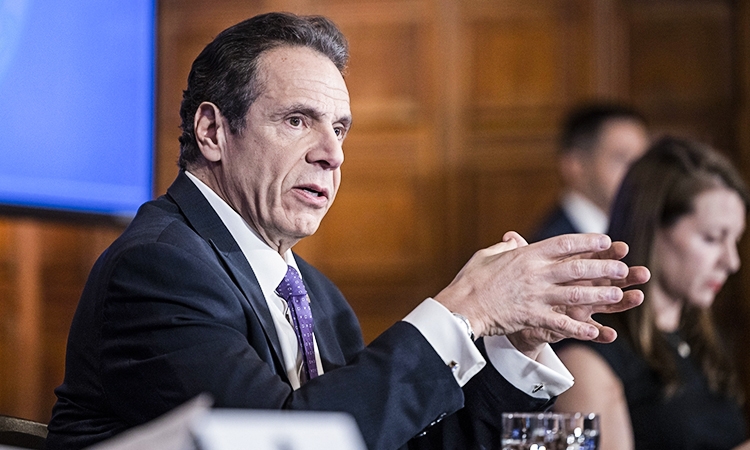
New York Governor Andrew Cuomo has threatened to roll back reopening in areas where social distancing and other protocols put in place due to the COVID-19 pandemic were being violated.

Cuomo said at Sunday’s briefing that some 25,000 complaints of violations have been filed against businesses across the state since it launched a phased reopening in May, reports Xinhua news agency.

“We have never received more complaints in a shorter period of time,” said Cuomo, adding that a majority of the complaints were from New York City and the Hamptons in Long Island.

The Governor on Saturday retweeted a video showing hundreds of people partying and drinking in St. Mark’s Place in Manhattan’s East Village on Friday evening.

Few people were seen wearing a mask.

“Don’t make me come down there…” he commented.

“There is a very real possibility that we would roll back the reopening in those areas,” Cuomo said on Sunday.

“This is a very serious situation and I want to make sure everybody knows the consequences here.”

During the first phase of reopening in New York, restaurants and bars are only allowed to offer food deliveries and gatherings are capped at 10 people.

Drinking alcohol in public places is also illegal in New York.

Cuomo warned that bars and restaurants that violate the laws could lose their liquor licenses and people with open containers in the street could be fined.

Police officers and protesters not wearing masks can also be fined.

The Governor warned local governments to enforce the law or “there will be state action”.

“It’s disrespectful to health care workers and essential workers who sacrificed themselves and some of whom died,” he said.

The state’s daily COVID-19 deaths once again dropped to a new low at 23 on Saturday, down from 32 on Friday and 42 on Thursday, according to Cuomo.

The governor confirmed 694 new COVID-19 cases on Sunday, bringing the statewide total to 383,324.