Tata Sky Fun Learn premieres Baahubali: The Lost Legends – S04 for the first time on Television

0

The magnum opus Baahubali, which crashed box office records, was later turned into a multi-episode animated series titled – Baahubali: The Lost Legends by SS Rajamouli, creator of the original Baahubali movies. Tata Sky, India’s leading content distribution platform for the first time on Indian television presents Baahubali: The Lost Legends S04 produced by Graphic India and Arka Mediaworks on Tata Sky Fun Learn. This animated series will be available in both English and Hindi.

Filled with intrigue, war, action, and adventure, this season showcases, Mahishmati and its protectors face their greatest challenge as they find themselves, the targets of a mysterious new force, seeking revenge on the legendary kingdom. The season also features never-before-revealed stories about the characters from the film, including Prince Baahubali, Bhallaladeva, Kattappa, and Sivagami. Thereby introducing new characters and expanding the world of Baahubali.

 Catch the amazing series on Tata Sky Fun Learn 688 everyday at 1pm . The service is also available on Tata Sky Mobile App under Live TV

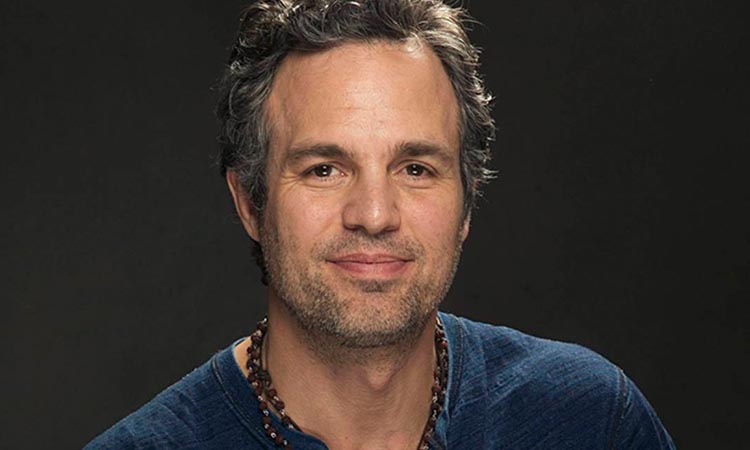
Robert Downey Jr. convinced Mark Ruffalo to play Hulk

It was actor Robert Downey Jr. who convinced a “hesitant” Mark Ruffalo join the Marvel Cinematic Universe (MCU) and essay the role of The Hulk.

Ruffalo was on “The Tonight Show” and speaking to the host Jimmy Fallon, when he said it was Downey Jr. who persuaded him to take the offer, reports aceshowbiz.com. His own instinctive reaction was: “I was scared”.

“I didn’t know what I could add to what I already thought had been done so well before me.”

The 52-year-old Ruffalo shared that he was hesitant because was only doing “indie movies up ’til that point”, adding: “So I was like, ‘I don’t know if I’m the right person for this.’ And Joss Whedon’s like, ‘Yeah, you are the right person’.”

Ruffalo, who first appeared as The Hulk was in the 2012 movie “The Avengers” and was recently seen in “Avengers: Endgame”, said he received a call from Downey Jr.

“Then I got a call from Downey, it must’ve made it to him that I was hemming and hawing, and he just simply said, ‘Ruffalo, let’s go. We got this’. In true ‘Iron Man’ fashion. And then after that, I was like, ‘I guess I have to do it’,” he said.

FIFA U-17 Women’s World Cup to take place from Feb 17 to March 7

0

The All India Football Federation (AIFF) and the Local Organising Committee (LOC) for the FIFA U-17 Women’s World Cup on Tuesday confirmed that the tournament will now be held from February 17 till March 7, 2021.

The U-17 Women’s World Cup had to be postponed due to the COVID-19 pandemic. The meet was scheduled to be held in India from November 2-21 across five venues.

“Following today’s announcement by FIFA, the AIFF and LOC are pleased with the confirmation of the new dates for FIFA U-17 Women’s World Cup India 2020, which will now be held between 17 February and 7 March 2021,” the LOC said in a statement.

“The dates were confirmed after taking into account the time needed to complete the UEFA, CONCACAF, CAF, OFC, and CONMEBOL qualification tournaments as well as the best possible conditions in the country to host a successful FIFA U-17 Women’s World Cup,” it added.

“We are now looking ahead and hoping to host a wonderful tournament that will give women’s football in India, the perfect platform to grow and develop.

“All the host cities have put in a lot of effort and commitment so far, and we are happy that the new dates will allow them to make up for the lost time and provide momentum going forward.

“All the stakeholders, including the Ministry of Youth Affairs and Sports, have been supportive of the decision keeping in mind the health, safety and security of everyone involved, especially the teams and fans. The LOC will continue to work together with FIFA, and we remain fully committed to hosting a memorable and successful tournament,” the statement further said.

The U-17 Women’s World Cup is scheduled to be played across five cities — Navi Mumbai, Guwahati, Ahmedabad, Kolkata and Bhubaneswar.

72% tobacco users in India attempted to quit during lockdown: Survey

0

A total of 72 percent of Indias combustible tobacco users between the ages of 18-24 years old have attempted to quit smoking during the lockdown, followed by 69 percent of combustible tobacco users between the ages of 25-39, suggests a recent survey conducted by the Foundation for a Smoke-Free World.

Around 66 percent of those surveyed (ages 18-69) expressed their desire to quit smoking amid COVID-19 for health reasons.

A total of 6,801 tobacco and nicotine users in five countries — India, the US, the UK, Italy, and South Africa – were interviewed for the survey, during the period starting April 4 and ending April 14, 2020.

In India, two-thirds of the 1,500 smokers surveyed expressed their desire to quit smoking for health reasons. While 66 percent indicated that they had considered quitting, 63 percent had actually made a quit attempt, says the survey titled COVID -19 State of Smoking Poll.

“Reports of increased stress and anxiety are consistent among the countries we polled, but the response in India — particularly among younger tobacco and nicotine users — stands out, with significant attempts to quit and adoption of healthier coping mechanisms,” said Dr. Derek Yach, President of the Foundation for a Smoke-Free World.

He added: “We need more research to understand why that is, and how we can encourage this type of behavior in other countries.”

72% tobacco users in India attempted to quit during a lockdown: Survey

Social distancing is resulting in a broad range of negative mental health impacts, with significant numbers of respondents reporting suffering an adverse effect on their mental health (India: 36 percent; the US: 42 percent; the UK: 39 percent; Italy: 24 percent; South Africa: 24 percent).

While a majority of respondents in India normally turn to tobacco or nicotine products as coping mechanisms for stress (58 percent), a significant amount have decreased their use during social distancing (46 percent). This indicates that social distancing has most likely not increased the smoking crisis locally.

Tobacco and nicotine users in India have proven more likely than those in other countries to increase their use of healthy coping mechanisms during the COVID-19 crisis (physical exercise, 64 percent; breathing exercises, 58 percent; meditation, 58 percent; yoga, 55 percent). The tendency toward healthier habits is more pronounced in larger cities (use of meditation in major metros, 50 percent; use of meditation in Tier 2 cities, 40 percent; use of meditation in Tier 3 cities, 37 percent), says the survey.

Of combustible tobacco smokers, 48 percent believe that smoking increases the risk of either contracting COVID-19 or getting seriously ill from it. As a consequence, conventional smokers are far more likely to consider using different tobacco delivery methods, with half of the users of multiple tobacco or nicotine products considering switching to smokeless tobacco exclusively. In non-metro Indian cities, the adoption of nicotine replacement therapies (NRTs) was the most popular way to quit (Tier 2 cities, 58 percent; Tier 3 cities, 47 percent).

In a notable generational shift, younger combustible tobacco smokers have attempted to switch to smokeless tobacco (smokers between the ages of 18 and 24, 66 percent; smokers between the ages of 25 and 39, 77 percent).

Samsung Finance+ service now available at your doorstep

0

Samsung on Tuesday announced that it has started the home delivery of digital lending platform Finance+, making it simpler for customers to buy Galaxy smartphones at easy finance within the comfort of their homes.

According to the company, Finance+ is a unique and universally accessible digital lending platform that provides easy financing opportunities to consumers for the purchase of Galaxy smartphones in India.

Samsung Finance+ service is currently available across 12,000 dealers in nearly 300 towns.

“Samsung Finance+ is our ‘Make for India’ initiative towards financial inclusion and Digital India. We are confident that the home delivery of Samsung Finance+ will help millions of consumers in India,” Mohandeep Singh, Senior Vice President, Mobile Business, Samsung India, said in a statement.

To avail the Samsung Finance+ service, customers had to earlier walk-in at select dealerships. The company has partnered DMI Finance for its Finance+ service in India.

Customers looking to buy a Galaxy smartphone on finance can contact their neighborhood dealers.

The dealer will then send a Samsung promoter to the prospective customer’s house. The Samsung promoter will help the customer complete the loan journey in the comfort of his/her home.

After filling in their personal details for a simple KYC verification and credit scoring, customers will get multiple offers on various Galaxy smartphones.

Given the importance of social distancing in the current circumstances, Samsung’s new initiative will ensure the customer gets finance for Galaxy smartphone without the need of visiting a store.

AP sees dip in cases, most have corona links with Chennai market

0

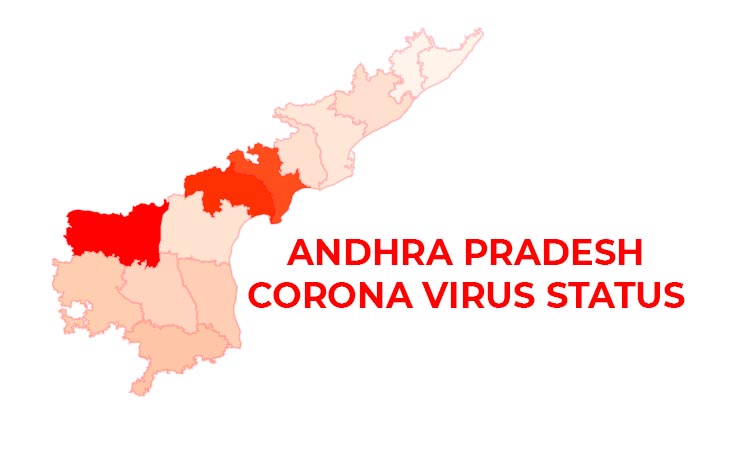
If Tuesday’s numbers are any indication, Andhra Pradesh appears to be gaining control in its efforts to contain COVID-19 in the state. The state nodal officer reported that 33 cases were detected from the 10,730 samples tested in the 24 hours ending 10 a.m., Tuesday. The positive case numbers on Tuesday are lower than Monday when the state reported 38 cases.

The majority of the 33 cases reported on Tuesday have a connection with the Koyambedu market in Chennai. The market has been identified as a major factor in the spread of COVID-19 in neighboring Tamil Nadu. Of the 33 cases announced on Tuesday in Andhra Pradesh, 10 in Chittoor district, nine in Nellore district, and one case in East Godavari have been identified as persons who had recently visited the Koyambedu market in Chennai.

Chittoor district reported 10 new cases, all of whom have a history of travel to Koyambedu market in Chennai. Likewise, all the nine new cases detected in Nellore district have a travel history to Koyambedu. Other districts that reported new cases over the past 24 hours include Kurnool with nine cases, Krishna with four cases and East Godavari, where the lone case has a travel history to Koyambedu.

The death toll in the state increased to 46, with one death reported from the Krishna district.

Even as the cumulative tally in the state touched 2,051 cases on Tuesday, the number of people cured and discharged from hospital has risen to 1,056. On Tuesday too, 58 persons had been discharged, taking the tally of active cases in the state well below to 1000-mark, to 949.

Kurnool district continues to lead with a cumulative tally of 584 cases, even though the active cases are 284. This is followed by Guntur and Krishna districts with 387 and 346 cases respectively.

TN BJP chief: Govt should open temples

0

Temples are also centers of economic activity and with the gradual lifting of COVID-19-related lockdown, they should be opened for public, said Tamil Nadu State BJP, President L. Murugan.

In a statement, Murugan said temples are centers of economic activity as flower/books/photographers/musicians and several others are dependent on place of worship.

Murugan said these people too were affected due to lockdown. Considering their economic welfare, temples should be reopened so that such people too can open their shops.

There are 36,612 Hindu temples, 57, temples attached to Holy Mutts and 17 Jain temples under the control of Hindu Religious and Charitable Endowments Department, Tamil Nadu government.

The economy of many temple towns such as Rameswaram, Madurai, Kumbakonam, Thanjavur is majorly driven by tourism, hospitality and local trade centred around the famed temples in these towns.

Salman Khan releases his romantic ballad ‘Tere bina’

0

Salman Khan isn’t slowing down even during the nationwide lockdown. If not films, he is keeping himself busy with songs. His latest, “Tere bina”, has been sung and directed by the superstar.

When the lockdown was announced, Salman along with a few family members and close industry friends were at his Panvel farmhouse.

They have spent the last seven weeks at the farm, coming up with interesting ways to keep themselves productive and create content for the audience.

After his first music single “Pyaar karona” that gives out a message of love, help and caring in times of coronavirus, he has now released his new single titled “Tere bina”.

He took to his Instagram and posted: “Maine yeh gaana banaya, gaya, shoot kiya aur post kiya aap ke liye, ab aap bhi yeh gaana suno, gaao, aur aap ke swag mai shoot karo ghar pe, post karo, share karo, tag karo n enjoy karo… #TereBina” (I made the song, sang it, shot it and posted it for you. Now you also listen to the song, sing, and shoot it in your swag at your home, post, share, tag and enjoy it).”

Talking about “Tere bina”, Salman shared: “About seven weeks ago, when we came to the farm, we didn’t know we will be here under a lockdown. So we wanted to do things to keep ourselves busy. That’s when we decided to do these songs. We launched ‘Pyaar karona’ and now, we are launching ‘Tere bina’.”

“Tere bina” video stars Jacqueline Fernandez and Salman.

Jacqueline said: “I didn’t think we would be able to pull this off. We are used to shooting songs on a large stage with grand production costs. There are costumes, hair, make-up. All of a sudden, we find ourselves with a team of three people. For the first time, I was checking lighting and moving props around. It was a great experience and it taught us how to make the most of what we have.”

Salman revealed that the song has been shot at the Panvel farmhouse in presence of just three people – him, Jacqueline and the DOP.


69% Indians say brands need to take care of employees during pandemic

0

At least 69 percent of people in India believe it is important for brands to take care of their employees and customers and they should not take advantage of the crisis to maximize profits, a new survey revealed on Tuesday.

According to research conducted by Qualtrics, an experience management company, 50 percent of the respondents said their trust in the brands they regularly engaged with has increased.

The findings showed that peoples’ trust in the government increased by 72 percent during the coronavirus (COVID-19) pandemic.

The study also revealed how Indians want brands to communicate with them.

WhatsApp came out on top as the most preferred communication channel (63 percent), followed by Facebook (58 percent), and online media (55 percent).

Bottom of the list was TikTok (18 percent), Print media (23 percent) and Radio (24 percent).

“Our study in India reveals consumers trust brands more, when brands focused on the well-being of customers, the well-being of employees, and not taking advantage of the crisis to maximise profits,” Lisa Khatri, Brand Experience and Research Lead for Qualtrics in APJ, said in a statement.

When respondents were asked what behaviours increase trust during the crisis, taking care of employees was the top-ranked attribute (37 percent), followed by not taking advantage of maximising profits during a crisis (36 percent), and taking care of customers (32 percent).

What respondents found less impactful were providing new products (10 percent), having an established track record of responding well in times of crisis (17 percent) and statements about strong moral principles such as integrity (19 percent).

When it comes to brand communications, Indians are more interested in the operational impact of COVID-19 compared to sales and promotional marketing.

The top three messages respondents wanted to hear were how the business is responding to the crisis (75 percent), the impact on the distribution (48 percent), and information on products and services (48 percent).

Russia registers 2nd highest COVID-19 cases globally

0

 The number of coronavirus cases in Russia has increased to 232,243 on Tuesday, the 2nd highest number of infections in the world surpassing the tallies in Spain and the UK, the country’s anti-coronavirus crisis centre said.

The tally surged to 232,243 after the 10,899 cases were reported over the past 24 hours, TASS News Agency quoted the centre as saying.

A total of 43,512 patients have recovered, while 2,116 people have died, it added.

According to the center’s data, the daily growth rate on Tuesday was 4.9 percent compared to 5.6 percent the day before.

As of Tuesday, the number of coronavirus cases in Spain and the UK stood at 227,436 and 224,332, respectively, according to the Washington-based Johns Hopkins University.

Italy came in fifth place with 219,814 cases, while the US accounted for the highest number of infections in the world at 1,347,936.

FM: Loan sanctions jump to Rs 5.95 cr in just over 2 months

0

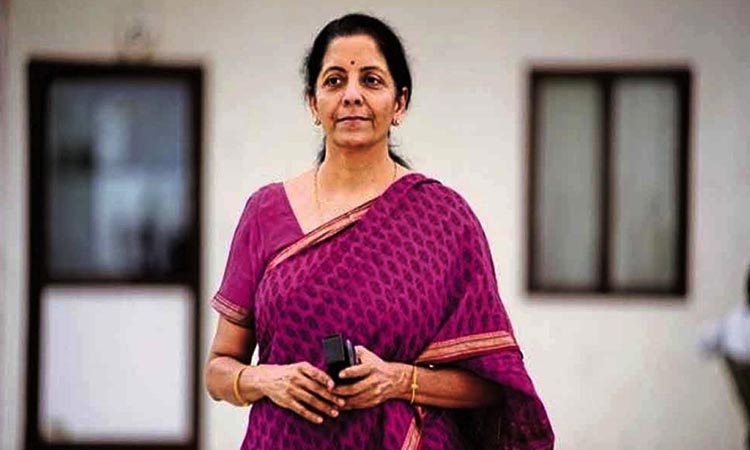
Finance Minister Nirmala Sitharaman on Tuesday said the public sector banks (PSB) sanctioned Rs 5.95 crore in just over two months, between March 1 and May 8, to over 46.74 lakh accounts. The borrowers for the sanctioned loans include MSMEs, retailers, farmers and corporate sectors.

She had earlier said that higher bank sanctions is indicative that the Indian economy is poised to recover from the recent crisis brought upon by the coronavirus pandemic.

“PSBs sanctioned loans worth Rs 5.95 lakh crore for more than 46.74 lakh accounts from the MSME, Retail, Agriculture & Corporate sectors between March 1 and May 8, 2020,” the tweet from Nirmala Sitharaman’s office said.

“Total financing worth Rs 1.18 lakh crore was provided to NBFCs,” it added.

Besides, loan sanctions to various industrial sectors, the government is also ensuring that the current coronavirus outbreak does not result in a liquidity crisis for businesses.

In this regard, almost all eligible borrowers for emergency credit lines and working capital have been contacted by banks and sanctioned over Rs 60,000 crore in credit that had more than doubled in just four days.

“Between March 20 and May 8, Public Sector Banks contacted 97 percent of borrowers eligible for emergency credit lines & working capital enhancements and sanctioned loans worth Rs 65,879 crore, up from the Rs 26,500 crore sanctioned as of May 4,” said another tweet from the office of the FM.

Government’s is ensuring that present coronavirus pandemic is prevented from making a serious dent on the Indian economy. It this wants that investments should not be stopped and banks should ensure that all eligible borrowers get sufficient funds.

Liquor shops to open in some Jharkhand areas

0

The Jharkhand government is planning to open liquor shops in green and orange zones of the state, sources in the government said.

“The state government has decided to open liquor shops in green and orange zones of the state. The state govt has yet to finalize the modalities of opening these shops. The excise department is likely to issue e-pass for liquor sale,” a source in the state government told IANS.

Jharkhand is strictly following Lockdown 3. As it is coming to an end, the state government is planning to give some relief in green and orange zones. Besides liquor shops, some other shops could also be allowed to open.

Of the 24 districts, Ranchi and Garwah are in the red zone and the rest in green and orange zones.

The Hemant Soren government agreed to open the liquor shops considering the financial condition of the state, a source said. Several other states took the decision to open the liquor shops with the commencement of Lockdown 3 with some relaxations.

Meanwhile, the number of coronavirus cases has gone up to 164 in the state. Two more cases were discovered in Jamshedpur on Tuesday. Of the recent 50 coronavirus cases, 38 are migrant labourers.

Among the 164 patients, 41 are women and 123 are men. As per the data provided by the Health Department, so far 26,067 samples have been collected out of which 22,243 have been tested and 22,082 were negative.

The data revealed that the number of persons under surveillance and asymptomatic was 4,836. The number of persons who have completed 28 days of observation stands at 3,325.

The number of persons in quarantine facilities is 10,304 while the number of those kept in home quarantine stands at 1,11,064.

Among the 164 Covid patients, 9 are less than 10 years old, 78 are between 11-30 years, 55 are between 31-50 years, 17 are between 51-70 years and 5 are above 70 years.

Among the patients who have been cured and discharged, 7 are less than 10 years old, 32 are in the age group of 11-30 years, 28 are in the age group of 31-50 years while another 8 are in the 51-70 years age group. Three patients are above 70 years who have been cured and discharged.

Ranchi Deputy Commissioner Rai Mahimpat Rey has asked the officials to ensure that the lockdown is followed strictly in the capital.

He asked the officials to make sure that provisions of the lockdown including social distancing and use of face cover or masks is strictly followed at markets, banks, post offices etc. He directed them that outside the markets, banks and post offices, circles should be made at a distance of 6 feet for the people to stand. Further, a distance of 15 feet should be maintained between two shops in markets and haats (village markets).

He told them to deploy police personnel at these spots to ensure that social distancing is followed.

S’pore Indian restaurant serves meals to hospital workers

0

An Indian restaurant in Singapore has started serving hot meals and beverages to frontline medical workers in the city-state amid the COVID-19 pandemic, a media report said on Tuesday.

The popular vegetarian restaurant Mavalli Tiffin Rooms is serving up Indian snacks like vadai, a savoury fried snack, coffee and masala tea, said the Straits Times report.

Operations director Raghavendra Shastry and his staff were also preparing packets of fruits to send to hospitals.

The restaurant is still operational during the ‘circuit breaker’ lockdown for takeaway and delivery services.

“Dry snacks such as biscuits and sweets are readily available to the front-liners in hospitals. But the hot snacks and coffee we deliver can complement these snacks and help keep the medical fraternity going,” said Shastry, who is originally from Bengaluru, Karnataka.

The first set of goodies was sent to the National Centre for Infectious Diseases on April 17.

Deliveries were now being made twice a week to various hospitals across Singapore and will continue until at least June 1.

On Tuesday, Shastry was joined at the restaurant’s kitchen by the Indian High Commissioner to Singapore, Jawed Ashraf, who spent the morning assisting with the packing of goods for the day’s deliveries, the Straits Times report added.

Thanking the workers, Ashraf said: “No amount of what we do for them is enough to express the appreciation that we have for their commitment, their courage and their selflessness. They are the ones who give us hope and confidence.”

The Ministry of Health has confirmed 884 new COVID-19 cases in Singapore as of Tuesday, taking the total count to 24,671.

Among these, migrant workers living in dormitories form the bulk of the cases.

The death toll currently stands at 21.

Chinese chopper spotted near LAC, India rushes fighters to border

0

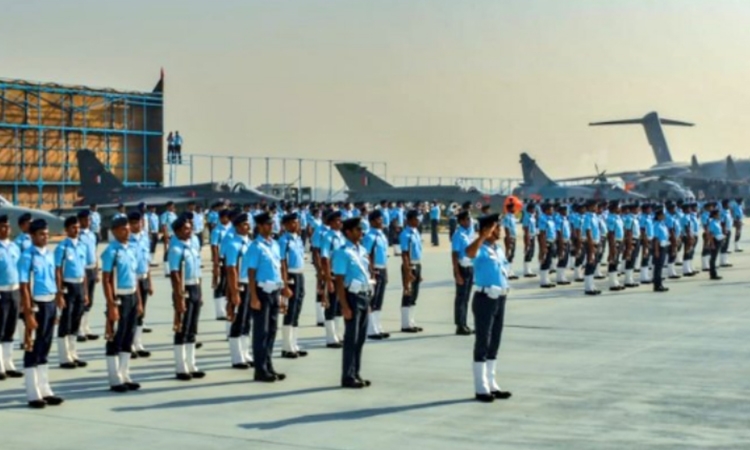
The Indian Air Force (IAF) on Tuesday scrambled fighter jets along the Line of Actual Control (LAC) in Ladakh, after China flew military choppers close to the LAC. The IAF officials, however, termed it as a “routine affair”.

This happened following skirmishes between the Indian Army soldiers and Chinese’s People’s Liberation Army in Ladakh and North Sikkim last week.

“China military choppers fly in their territories and out fighter jets in our territories. It is normal routine affair,” said Indian Air Force (IAF) officer. He also rejected the aggressive approach at LAC.

The officer said: “On Tuesday also the Chinese military helicopters were flying close to LAC and our planes were also doing routine sortie.” When asked about the aggressive attitude, the officer speaking candidly said, “It is being unnecessarily being sensationalized. It is a routine Standard Operating Procedure”

The act of China flying military choppers near LAC is being perceived as a provocation by the Indian military establishment.

The LAC, unlike international borders, is not clearly marked. The India-China border dispute covers the 3,488-km-long LAC.

The Indian and Chinese soldiers were involved in scuffles at two occasions in last one week along Line of Actual Control in north Sikkim and Ladakh.

Sources said that four Indian soldiers and half a dozen of Chinese counterparts were injured during the confrontation in North Sikkim.

It took place at Naku La sector, ahead of Muguthang, a pass at a height of more than 5,000 metres in North Sikkim. In total 150 soldiers were present when the confrontation took place.

Later, the confrontation was resolved at the local level.

Sources said that temporary and short duration face offs occur as boundary issues are not resolved.

“Incidents of face off took place. Aggressive behaviour and minor injuries took place from both sides. They were disengaged after dialogue and interaction at local level,a said the source.

Troops resolve such issues mutually as per established protocols.

The scuffle in Ladakh took place on May 5 night and was resolved by May 6 morning.

This is not the first time Indian and Chinese soldiers have exchanged blows along the border.

Back in August 2017, Indian and Chinese soldiers threw stones at each other and exchanged blows near Pangong Lake in Ladakh. The clash had aggravated tensions between the two countries as it happened at a time when they were locked in a stand-off in the disputed territory of Doklam in Sikkim.

It took two months to end the stand-off between the forces.

Australia records largest-ever drop in int’l visitor arrivals

0

Australia has recorded the largest drop in international arrivals in recorded history as a result of the COVID-19 pandemic, official data revealed on Tuesday.

According to data released by the Australian Bureau of Statistics (ABS), the number of people who arrived in the country for a short-term trip in March was down 60 percent compared to the same month last month, reports Xinhua news agency.

“In March 2020, there were 331,900 visitors who had arrived for a short-term trip compared to 836,300 12 months earlier,” Jenny Dobak, the ABS Director of Migration Statistics, said in a statement.

“The steep fall in visitor arrivals to Australia in March was from all regions around the world. Even our largest source country New Zealand recorded a 56 percent drop,” Dobak said.

“Of the top 10 source countries, China recorded the largest decrease of 78 percent followed closely by Japan with a decrease of 75 percent.”

The Northern Territory experienced the steepest decline in international visitors, down 66 percent, followed by New South Wales at 64 percent and Queensland at 63 percent.

The ABS also revealed that 538,400 Australian residents returned from short-term overseas trips in March, a record-high fall of 29 percent from March 2019.

The data comes as the number of COVID-19 cases in Australia as of Tuesday stood at 6,970, with 97 deaths.

Too little sleep may lead to asthma attacks in adults

0

A good night’s sleep is crucial to good health because researchers have found that too little sleep, and occasionally too much sleep, can negatively impact adults with asthma.

Previous research revealed that poor sleep quality has a negative effect on asthma symptoms in adolescents.

“Our study shows that adults with asthma are equally affected by too little (or sometimes too much) sleep,” said study lead author Faith Luyster from the University of Pittsburgh in the US.

Compared to normal sleepers, short and long sleepers had a higher proportion of people who reported having an asthma attack in the past year (45 percent vs. 59 percent and 51 percent respectively) and had more days with impaired health-related quality of life.

According to the researchers, impaired quality of life was characterized by more days of poor physical and mental health.For the findings, published in the journal Annals of Allergy, Asthma and Immunology, the research team surveyed 1,389 adults who were 20 years and older who self-identified as having asthma. A Of the group, 25.9 percent slept 5 hours or less, 65.9 percent slept 6-8 hours and 8.2 percent slept 9 or more hours

Sleep duration was measured by a single question, “How much sleep do you usually get at night on weekdays or workdays?”

“Short sleepers” were more likely to be younger and non-White, while “long sleep were more likely to be older, female and a smoker. Short sleepers, as compared to normal sleepers, had a greater likelihood of an asthma attack, dry cough, and an overnight hospitalization during the past year.

Short sleepers also had the significantly worse health-related quality of life — including days of poor physical and mental health and inactive days due to poor health — and more frequent general healthcare use during the past year as compared to normal sleepers.

“This study adds solid evidence to the practice of asthma patients discussing sleep issues with their allergist to help determine if they need to change their asthma plan to achieve adequate sleep as a component of overall good asthma management,” said Gailen D Marshall, Editor-in-Chief of Annals Journal.

PM Modi to address nation At 8 p.m.,

0

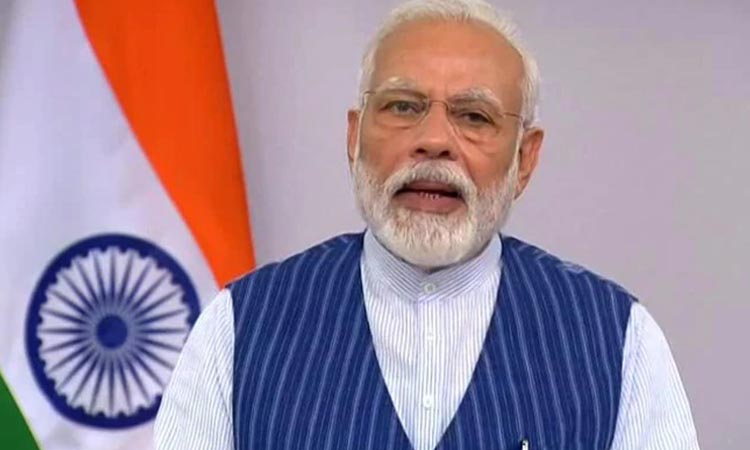
Prime Minister Narendra Modi will address the nation on Tuesday at 8 p.m.

The information was shared by the Prime Minister’s Office (PMO). The PMO tweeted, “Narendra Modi will be addressing the nation at 8 p.m. this evening.”

This will be the Prime Minister’s fourth special address to the nation in the last two months. His address comes a day after Modi held a video conference meeting with all the Chief Ministers.

The Prime Minister first addressed the nation on March 18 and appealed to the people to observe ‘Janata Curfew’ between 9 a.m. to 9 p.m. on March 22.

On March 24, he announced the 21-day nationwide lockdown to combat the spread of Covid-19 and then on April 14 he announced extending it for another 19 days till May 3.

However, the government later announced the extension of the lockdown for two more weeks on May 1 till May 17.

COVID-19 infection in kids may not start with a cough

0

Gastrointestinal symptoms such as diarrhoea, coupled with a fever or history of exposure to COVID-19, could indicate coronavirus infection in children, according to a new study.

Published in the journal Frontiers in Pediatrics, the research also suggests that the gastrointestinal symptoms first suffered by some children hint at potential infection through the digestive tract, as the type of receptors in cells in the lungs targeted by the virus can also be found in the intestines.

“Most children are only mildly affected by COVID-19 and the few severe cases often have underlying health issues. It is easy to miss its diagnosis in the early stage when a child has non-respiratory symptoms or suffers from another illness,” said study author Dr. Wenbin Li from Tongji Hospital in Wuhan, China.

“Based on our experience of dealing with COVID-19, in regions where this virus is epidemic, children suffering from digestive tract symptoms, especially with fever and/or a history of exposure to this disease, should be suspected of being infected with this virus,” he continued.

In this study, the research team detail the clinical features of children admitted to the hospital with non-respiratory symptoms, which were subsequently diagnosed with pneumonia and COVID-19.

“These children were seeking medical advice in the emergency department for unrelated problems, for example, one had a kidney stone, another a head trauma,” said researchers.

All had pneumonia confirmed by chest CT scan before or soon after admission and then confirmed to have COVID-19. While their initial symptoms may have been unrelated, or their COVID-19 symptoms were initially mild or relatively hidden before their admission to hospital, importantly, four of the five cases had digestive tract symptoms as the first manifestation of this disease.

The researchers also link the children’s gastrointestinal symptoms, which have been recorded in adult patients, to an additional potential route of infection.

“The gastrointestinal symptoms experienced by these children may be related to the distribution of receptors and the transmission pathway associated with COVID-19 infection in humans. The virus infects people via the ACE2 receptor, which can be found in certain cells in the lungs as well as the intestines,” Li said.

This suggests that COVID-19 might infect patients not only through the respiratory tract in the form of air droplets but also through the digestive tract by contact or faecal-oral transmission.

“We report five cases of COVID-19 in children showing non-respiratory symptoms as the first manifestation after admission to hospital. The incidence and clinical features of similar cases need further study in more patients,” the researchers noted.

By highlighting these cases, the researchers hope that doctors will use this information to quickly diagnose and isolate patients with similar symptoms, which will aid early treatment and reduce transmission.

In March, another study from China, published in The American Journal of Gastroenterology, found that diarrhoea was a prominent symptom among up to half of the patients with COVID-19 in Wuhan.

4 Andhra Ministers, 2 MPs spend night in gas leak-hit villages

0

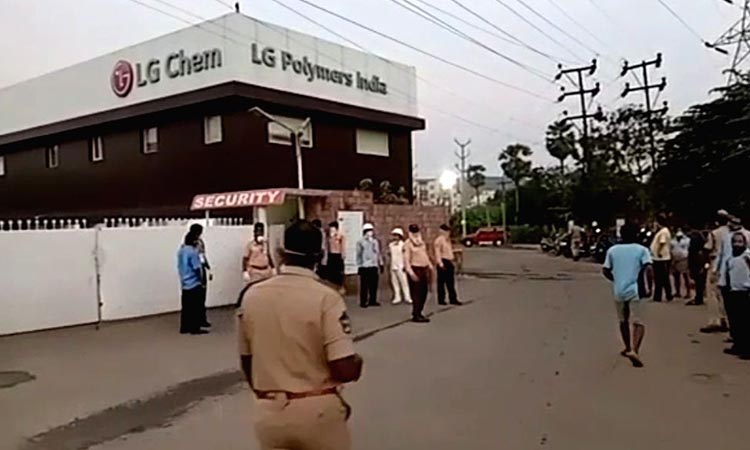
Four Andhra Pradesh Ministers and two MPs of the ruling YSR Congress Party spent Monday night in villages affected by a gas leak from LG Polymers India factory to instill confidence among the villagers who returned to their homes four days after the disaster.

Ministers Avanthi Srinivas, Botsa Satyanarayana, Dharmana Krishnadas, K. Kanna Babu, and MPs Vijayasai Reddy and MVV Satyanarayana stayed in the five villages near the chemical plant, interacted with the villagers, and tried to reassure them on their safety.

Vijayasai Reddy, who spent the night outside a house in Venkatapuram, said the effort proved that the government was not merely paying compensation but also wanted to instill confidence among people affected by the gas leak.

Twelve people were killed and over 400 taken ill following the leak of styrene gas from the chemical plant on the outskirts of Visakhapatnam in the early hours of May 7.

About 10,000 people from these villages were evacuated and kept in rehabilitation camps in the city. They started returning on Monday evening after the government declared the villages safe for living.

On the direction of Chief Minister Y.S. Jagan Mohan Reddy, the Ministers and MPs spent the night in the villages to instill confidence among the people.

Tourism minister Avanthi Srinivas, who spent the night at a house in Padmanabhanagar, went around in the village on Tuesday morning and interacted with villagers to know their problems.

The Minister claimed that normalcy has returned to the village. Agriculture Minister K. Kannababu said the villagers spent a peaceful night after four days.

The ministers announced that health camps will be conducted in all villages in the next 100 days to monitor the health of the villagers.

Vijaya Sai Reddy assured the people that the villages will be developed as a green and safe zone. The government will arrange food for the villagers, provide 25 tonnes of fodder for the cattle and ensure every possible help till the situation completely returns to normal.

They said volunteers will take up enumeration from Tuesday for payment of compensation. The government has announced a compensation of Rs 10,000 each to the people in affected villages.

The Ministers on Monday presented documents to eight out of 12 bereaved families relating to the payment of ex gratia of Rs 1 crore each. The payment for remaining cases will be made in a day or two.

As per the announcement made by the Chief Minister, those hospitalised for serious ailments would get Rs 10 lakh each and others admitted would receive Rs 1 lakh each. The entire cost of hospitalization will be borne by the government.

9 ways to combat financial anxiety during Covid-19

0

As the pandemic looms large, in response to its changing dynamics, the businesses and employment sector are grappling with “tremendous apprehensions” about their future.

Sluggish economic growth in a “great lockdown” conjures up visions of a cascading fallout.

Like a millions others, you might find yourself on the sudden verge of a “lay-off” or a “pay cut” while working from home. Unlike other situations, the income level turmoil may be unpredictable and can be a devastating blow for many. This has the potential to result in a “psychosocial syndrome” i.e. financial-anxiety, a “money anxiety disorder” which cultivates a feeling of stress, worry and concern about your finances, wherein individuals have an uneasy and unhealthy anxiety about engaging with and administering their personal finance in an effective way.

Financial anxiety is a monetary monster that haunts many by stoking worry. It can be highly debilitating and can cause significant distress. For instance -, any of you might be waking up in the middle of the night, and while you try to get back to sleep, your mind wanders off to the blurry thoughts about having no funds to thrive. And before you know it, you’re in a full-blown 5 am panic attack. What begins as a passing thought to pay the bills, can suddenly leave you horrifically anxious and worried about how you’d pay those bills if you lost your job, how to climb out of debt, or how to make your budget stretch for the month. If this is regular, it can negatively impact mental and physical health and career.

Financial anxiety is common; it’s not insurmountable – and recognizing what triggers your anxiety can help you cope with it.

Acknowledge the Signs:

  • Financial anxiety shares many criteria of a generalized anxiety disorder, like excessive worry, irritability and difficulty concentrating.
  • Feeling heavily depressed or anxious about finances
  • An obsession with being frugal
  • Discomfort with accumulating wealth
  • Physical body reactions like – Intense sweating, headaches, shoulder aches or cold palms
  • Inability to change financial behavior, loss of control in one’s thoughts and feelings or loss of hope and disconnectedness.
  • Insomnia or oversleeping
  • Loss of appetite or binge eating

If the question, “how to accumulate money” leaves you in a cold sweat there may be a deeper reason behind the stress. However, the good news is that you can absolutely put your negative thoughts in full control by taking a step back from your worst fears and making sure you control your cash – and not the other way around.

Ways to manage your financial anxiety:

1. Explore your body and mind

If you have a sudden physical reaction like cold or sweaty palms, racing heartbeat due to unpleasant emotion while talking about money, acknowledge it immediately. Start paying attention to your negative emotions and how your body is reacting while discussing money. How does your mind react when you make any transaction or check account balance? Try being aware of what kind of emotions and patterns are situated inside your body and mind for example- “sweating heavily due to intense fear”. Consider the conversation that is triggering these negative feelings. Is it how you communicate with yourself while conceptualizing finance? How do you communicate with your partner? Or, are you feeling guilty or ashamed of being underpaid or pay cut?

A proper body and mental-health check, evaluating behavior teaches to work with our emotions instead of getting overwhelmed by them, and how to deal with these unwanted feelings is necessary. Clarity of what’s going on so that we’re not so consumed is essential.

2. Capture the essence of Positive thinking

Positive thinking helps with stress management. An individual must embark upon focusing on the good aspects of the finances instead of undergoing negative feelings. Positive thinking doesn’t mean that you keep your mind in the sand and ignore life’s less pleasant situations. Positive thinking just means that you approach unpleasantness in a more positive and productive way. You think the best is going to happen, not the worst. Positive thinking won’t magically pay your bills or stretch your budget, but it can help capture the essence of stillness and calm over your fears. It will help you recognise and appreciate your financial strengths, which could lead to solutions to some of your problems.

3.”Square breathing” or “Box Breathing” to ease the stress & anxiousness

Deep breathing multiple times a day always helps to center oneself, when one has financial ups and downs. Square breathing also helps to relieve stress. It is a type of breathwork that can shift your energy, connect you more deeply with your body, calm your nervous system, and decrease stress in your body. It can also heighten performance and concentration while also being a powerful stress reliever.

Step 1: Slowly exhale through your mouth while being seated upright, getting all the oxygen out of your lungs.
Step 2: Inhale slowly and deeply through your nose to the count of four.
Step 3: Hold your breath for another slow count of four.
Step 4: Exhale for the same slow count of four, expelling the air from your lungs.
Step 5: Hold your breath for another slow count of four.

Repeat from step 2 till 5 for 5 times to start with.

4. Reframe the limiting belief systems

Money is a form of energy. And our idea about money usually comes from our subconscious mind and consciousness of scarcity. Deep down, we might have belief systems about money that are in most probability rooted in our childhood. We might have seen how money was treated by our primary caregivers when we were small.

Even if one loses a job, he/she can handle the situation differently depending upon the belief system about money. If that person has been carrying limiting beliefs about money, then financial anxiety is suspected to hit him harder. One can take help of a professional therapist or counsellor to reframe the subconscious mind, and hence the belief system. There are many ways to do that – meditation, affirmations, mirror work, NLP, hypnosis and many more.

5. Use the Zibu symbol of Abundance

Use the Zibu Symbol of Abundance in front of your work desk to invite abundance energies into your life. You can also use the Zibu symbol of Release to remove unwanted negative energy from your mind, body and environment. You can either air-draw the symbols on your body, room, books, desk or you can also draw the symbols on a piece of paper with a pen and stick them on the wall or book or your work stuff. You can draw the symbols on your body with a pen as well.

6. Healing Crystals

Take the help of healing crystals that are good for manifesting abundance consciousness, like pyrite, citrine, green aventurine, Labradorite etc. With intention, palace them in the wealth corner (south-east) of your house or workplace for manifesting abundance.

7. Banish the financial guilt & shame

The feeling of guilt and shame or embarrassment over your mounting pile of debt or loss of job, pay cut or money mismanagement can lead to an aura of shame, whether it’s a lack of money, incorrect budgeting or simply being ignorant about proper budgeting practice. “Practice empathy”, to forgive yourself and let go of the feelings of guilt and shame. It is mandatory to develop the tendency of empathizing with yourself to nurture your inner child and make yourself productive during such looming situations. This will ultimately serve in erasing any negative feelings inside of you.

8. Visualise – “I am a money magnet”

Work upon your fears related to money. Write them down in detail. Then meditate upon those fears and visualise them melting away. Visualise yourself surrounded by money and abundance, be happy in that state for some time. Repeat to yourself multiple times everyday – “I am a money magnet”.

9. Japanese technique Arigato

Practice the Japanese technique Arigato – which essentially tells to thank the money whenever it is going from you to someone or coming to you from someone. Gratitude is one of the highest energies one can have around.

By Kuhoo Gupta ia a Healer & Founder of -The K Junction