Thailand Open 2019: Preview, where to watch, live stream details, TV schedule and more

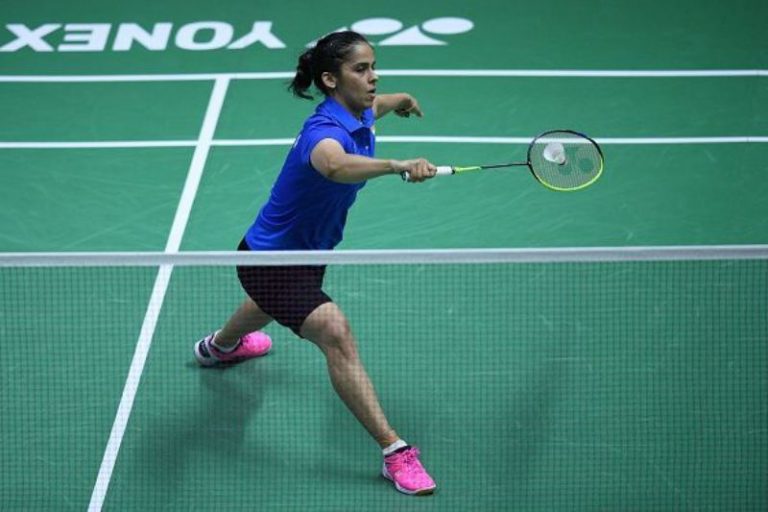
Having recovered from injuries, Saina Nehwal makes a return to international competition as PV Sindhu opts out of Thailand Open Super 500 tournament that begins in Bangkok, Thailand on July 30.

With a runner-up finish at the Indonesia Open and an appearance in the quarter-finals at the Japan Open a week later, Sindhu has had a hectic schedule this month and her decision to take rest and prepare for next month’s World Championships is indeed a judicious one.
The 2019 Indonesia Masters champion Nehwal will be seeded seventh at this tournament and begins the hunt for her second title of the season against a qualifier.

While Nehwal is the lone Indian in the women’s singles draw, there are as many as six shuttlers from the country in the men’s singles section.

Thailand Open 2019: Preview, where to watch, live stream details, TV schedule and more

For the fifth-seeded Kidambi Srikanth, who meets a qualifier, the challenge will be to re-discover his touch and strokes after struggling to do so in Jakarta and Tokyo. Srikanth did show flashes of brilliance on his way to the final of the India Open in March. However, the former World No. 1 hasn’t been able to replicate that form since then.

Syed Modi International champion Sameer Verma is the other Indian seeded at eighth and he will have to deal with World No. 17 Lee Zii Jia.

The resurgent Sai Praneeth, who made a splash last week at the Japan Open by reaching the semi-finals, has Thailand’s Kantaphon Wangcharoen in his opener but his path gets rockier for there awaits the World No. 1 Kento Momota, who begins his challenge against Subhankar Dey. Interestingly, it was the Japanese who halted Sai’s great run in Tokyo before going on to win the title himself.

HS Prannoy, who beat Srikanth in Japan, will seek better fortunes this week when he takes on Hong Kong veteran Wong Wing Ki Vincent. Prannoy could not build on his huge upset and have crashed out of the Japan Open in the second round.

Former Commonwealth Games gold medallist Parupalli Kashyap has a good chance to progress past Misha Zilberman of Israel

YO MANIA is coming back with the spirit of Youth

YO MANIA is coming back with the spirit of Youth. YO Mania organizers are launching the new event with the spirit of 2008’s event.
Yo Mania is coming to submerse the youngsters fully into the plethora of fun.
It is happening in the Top colleges of Hyderabad very soon.
The organizers of Yo Mania Laxman Murari, Raj and Vinil announced that Yo Mania is going to be the biggest event in the city which will be “a montage of dreams”.

For more details please follow, like, share and subscribe

TWITTER

INSTAGRAM
http://www.instagram.com/yomaniafest
YOUTUBE
https://www.youtube.com/channel/UCVGOaHFd1ICkivo9lsjxfyw
FACEBOOK
http://www.facebook.com/yomaniafest

WhatsApp similar to iMessage with multi-platform support

WhatsApp is similar to iMessage as its features make it a convenient tool to use for conveying daily messages. It is widely made use of and has become indispensable.

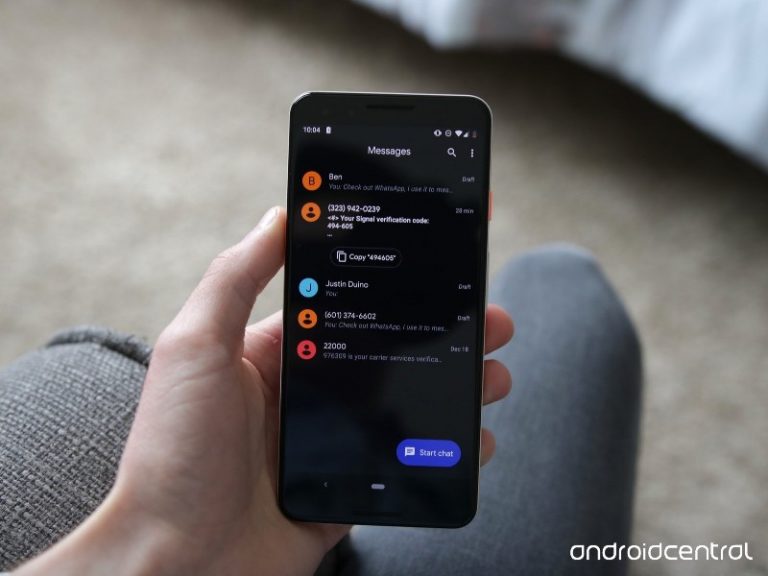
WhatsApp happens to be the world’s most popular messaging service, with over 1.5 billion monthly users, but it does have a limitation: A person requires a cellphone to make use of it. The customer can sign onto the Web or desktop app and then access most of the service’s features. It also does require the phone to be switched on and also be connected to the internet at all times. Also, it only works on one device at a given time. WhatsApp could become more like iMessage.

WhatsApp vis-à-vis iMessage

WhatsApp has been acknowledged as a very effective tool of communication among people and is now widely used by all and sundry. WhatsApp could become more like iMessage.
There are indications this is changing. As per WhatsApp leaks site WABetaInfo, the messaging app is rather working on a new platform that will permit for greater interoperability between devices. WABetaInfo does caution that this feature is still in the ‘rumor’ category as there are no screenshots to be shared. Thus, WhatsApp could become more like iMessage.

WhatsApp with multiple devices

The changes would tend to allow a person to use the WhatsApp account on multiple devices, without routing everything via the customer’s phone and that too without limiting the number of connected devices.

This helps to make the service work much more similar to Apple’s iMessage or WhatsApp sibling Facebook Messenger. It could indeed be a lifesaver for people, who tend to make use of messaging services across the devices such as a smartphone, tablet, a laptop, and a desktop.

WhatsApp similar to iMessage with multi-platform support

It is not indeed very clear how this particular feature will work. One of WhatsApp’s key security features has been that messages are rather tied to one’s phone number and only saved onto one’s phone, not some distant server. It is on account of this reason the current Desktop and Web apps do require routing messages via a person’s phone. Certain changes are required in order to change for desktop and tablet apps and thus be able to operate independently. Therefore, WhatsApp could become more like iMessage.

For all said and done this could simply be a rumor and it may never come to fruition, but there is a possibility from an often reliable source. WhatsApp is more convenient.
WhatsApp is now very essential for daily communication and it is used for personal purposes as well as for carrying out business deals. Technology has progressed well thus facilitating communication and customers do require WhatsApp to reach out to people in far off places. It bridges the gap between people and nations.

Nowadays customers need to communicate quickly and clearly and WhatsApp has proved to be a viable tool in this regard. It is compared to iMessage and has developed features that make it easy to use and also very convenient to convey apt thoughts and messages. The world has become smaller on account of WhatsApp.

Apple buys Intel’s smartphone modem division for $1 billion

Apple purchasing Intel smartphone modem division for $1 billion is indeed a remarkable achievement. Apple does involve itself in hi-fi technology.

Apple has taken a step forward to supply its smartphone chips by purchasing the majority of Intel’s modem business via a deal that costs $1 billion. Apple buys Intel’s smartphone modem division.

As per the deal, about 2,200 Intel employees will indeed join Apple, along with intellectual property, equipment as well as leases. Combined with its existing portfolio, Apple will be having nearly 17,000 wireless technology patents, which range from cellular communication standards to modems, thus making it a more powerful player in global licensing talks that are likely to take place between major 5G patent holders like Huawei Technologies Co Ltd.

Intel shares have gone up from 5.7% to $55.05 after the news. Apple shares made to a mark of 0.1% to $207.29. Keeping this in mind Apple buys Intel’s smartphone modem division.

Once the deal gets over, Intel will retain the right to develop modems for non-smartphone applications, such as PCs, industrial equipment as well as self-driving cars.
Modem chips do connect devices such as the iPhone to wireless data networks, but Apple has always indeed relied on outside suppliers for the part. Intel did position itself as the sole source of iPhone modem chips over the past year after Apple got entangled in a prolonged legal fight with previous supplier Qualcomm over Qualcomm patent licensing practices. Indeed Apple buys Intel’s smartphone modem division.

Apple’s acquisitions have mostly been much smaller companies.

The deal with Intel will rather enhance Apple’s goal to make its modem chip. Two of Apple’s biggest global rivals — Samsung as well as Huawei — do already have the ability to self-supply modem chips.

Apple has made efforts to develop its modem, but the iPhone maker has never formally acknowledged it.

Apple buys Intel's smartphone modem division for $1 billion


Speeding up development

The purchasing of Intel’s assets can indeed rather help Apple meet its aggressive timeline for being able to produce a modem.

Apple also plans to make use of Qualcomm’s modem technology for a 5G iPhone in 2020 but does require an internally developed 5G modem technology ready for use in some of its products by 2021. Intel previously disclosed plans to have a 5G modem ready by 2020, so tapping the Intel assets could help Apple hit its target.

The replacement of Qualcomm is likely to take place in phases. Apple will try to build up its ability to ensure that its modems work on all the networks and countries where Apple does sell phones.

Apple’s license deal with Qualcomm does last for six years and its accompanying chip supply agreement could perhaps remain also for that long. Apple is indeed likely to continue to make use of the San Diego firm’s chips in its flagship models even if it phases in its silicon for lower-end as well as older models.

Apple has also a tie-up with Taiwan’s Global Unichip Corp, a chip design house in which Apple supplier Taiwan Semiconductor Manufacturing Co is an investor, to explore a modem design, but the work is in early stages

Patents as leverage

The most valuable feature of the Intel deal for Apple can turn out to be patented. To sell a 5G iPhone, Apple will indeed need to strike deals with the major holders of 5G patents, including Nokia, Ericsson, Huawei, and Qualcomm. Apple did execute a licensing deal with Qualcomm, but it has not disclosed whether it has several deals in place with the others.
Intel has a similar portfolio as Qualcomm, but they certainly have a much larger one to impact the valuations when it does come to a cross-licensing deal. It will help in preventing Apple from having to change much in cross-license deals.

Amaravati: Tri-Sabhya committee formed over Kapu reservation issue

The AP government formed a Tri-Sabhya committee on Kapu reservation issue.
CM Jagan announced Ummareddy, Minister Kannababu and Ambati Rambabu appointed as members of the committee.
CM Jagan has brought Centres letter on Kapu reservations written on April 4 which states the inclusion of Kapus into BC list and 5% reservation for Kapus in the OBC category.
CM Jagan has instructed the committee to study why Babu, the former CM, did not answer the central letter.
The committee will study the report given by the Manjunathan Commission.

Big Boss-3: Tamanna entered the house and Hema is out.

Amidst controversies, Bigg Boss reality show has just completed its first week on TV.
Six of the 15 contestants were nominated for the elimination round on the second day with six members – Rahul, Punarvi, Vitika Sheru, Himaja, Jaafar and Hema.
Actress Hema eliminated from the Sunday show. However, soon after, the host Nagarjuna gave House Mates a surprise.
To his amazement, a wildcard entry sent Tamanna Simhadri, a hijra, into the house.
A Hijra entered the house for the first time in the history of Telugu Big Boss.
Big Boss became more interesting now as Hijra moved in.
Tamanna expressed her gratitude for selecting her and desires to give her best.

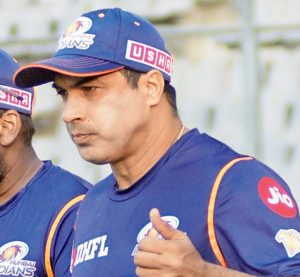
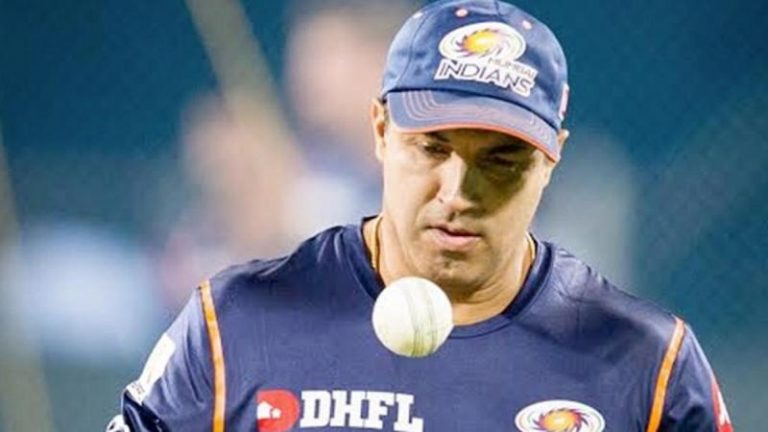
Cricket coach Robin Singh From Trinidad to India and everywhere else

Crick­et coach Robin Singh has moved from Trinidad to In­dia and just about every­where else. And what a jour­ney this has been for the well-known crick­eter-now-coach who was born in Princes Town, and who has been trav­el­ling since de­part­ing these shore many years ago. Af­ter leav­ing Trinidad, he end­ed up stay­ing in In­dia and mak­ing a name for him­self in the crick­et­ing world, rep­re­sent­ing that coun­try at the high­est lev­el both as a play­er and coach.

That he rep­re­sent­ed and cap­tained Trinidad and To­ba­go at the un­der-19 lev­el and played a cou­ple of games for the se­nior T&T team be­fore head­ing off to In­dia is the stuff that dreams are made of.

In his play­ing hey­day, he was an all-rounder, a left-hand­ed bats­man, right-hand­ed bowler, and ex­cit­ing field­s­man. Fol­low­ing his T&T play­ing days, he went on to rep­re­sent In­dia in 136 One Day In­ter­na­tion­al match­es scor­ing over 2,000 runs with one cen­tu­ry and nine half-cen­turies, cap­tured 69 wick­ets with a best of five for 22 and held 33 catch­es. His in­ter­na­tion­al ca­reer spanned from 1989 to 2001 fol­low­ing which he re­tired and then be­came a coach.

Wis­den de­scribed him as an ath­let­ic, tena­cious and com­mit­ted all-rounder. Read­ers can catch a glimpse of him in his hey­day in ac­tion.

As the high­ly re­gard­ed in­ter­na­tion­al­ly-ac­claimed coach of the win­ning Mum­bai In­di­ans in the huge­ly pop­u­lar IPL (In­di­an Pre­mier League) he has al­so been one of the pre­mier coach­es of the Bar­ba­dos Tri­dents fran­chise in the CPL. T&T’s crick­et­ing su­per­star Kieron Pol­lard has been a mem­ber of both the Mum­bai and Bar­ba­dos squads which Singh coach­es.

The 55-year-old glo­be­trot­ting coach will don the colors of the St Kitts Pa­tri­ots in the 2019 CPL edi­tion.

Singh be­gan his coach­ing ca­reer al­most im­me­di­ate­ly af­ter his play­ing days. He was asked by then pres­i­dent of the BC­CI Jag­mo­han Dalmiya to coach In­dia’s A team and un­der-19 teams.

Tours to Pak­istan, Eng­land, Aus­tralia, and a World Cup un­earthed a wealth of In­di­an tal­ent who went on to be­come big names in In­di­an crick­et. Ro­hit Shar­ma, Shikhar Dhawan, Ir­fan Pathan, Am­bati Rayudu, Robin Uthap­pa, Parthiv Pa­tel, and Ravin­dra Jade­ja have all donned In­dia’s se­nior colors un­der his tute­lage.

Hong Kong crick­et ap­proached him to coach their na­tion­al team in 2004 and un­der his tenure qual­i­fied to play in the Asia Cup and gained ODI sta­tus. He was award­ed for Coach­ing Ex­cel­lence by Hong Kong.

Cricket coach Robin Singh From Trinidad to India and everywhere else

Af­ter the In­di­an Na­tion­al Team suf­fered an un­cer­e­mo­ni­ous ex­it in the 2007 World Cup he was an­nounced as the field­ing coach. With­out a head coach and just Singh, a man­ag­er and bowl­ing coach, a young In­di­an team went on to win the first-ever T20 World Cup in 2007.

In 2008, world crick­et saw the in­tro­duc­tion of T20 leagues with the ar­rival of the IPL in In­dia. It has grown in stature every year with al­most every crick­et play­ing na­tion hav­ing their own leagues al­ready or plan­ning to. This is the for­mat in which Singh has be­come syn­ony­mous and has gained im­mense recog­ni­tion and con­sid­ered among the top few in­ter­na­tion­al coach­es.

To­day the cham­pi­on team with the most ti­tles (four) in the IPL is the Mum­bai In­di­ans. He has been with them since 2010 and it has been the turn­ing point of the side’s his­to­ry. They have al­so won two Glob­al league cham­pi­onships called the Cham­pi­ons Tro­phy.

Si­mul­ta­ne­ous­ly, he was ap­point­ed coach in oth­er coun­try leagues name­ly Bangladesh, Sri Lan­ka, and the West In­dies…the first for an In­di­an coach. His team UVA won the on­ly year Sri Lan­ka held a T20 League. He has coached Bar­ba­dos Tri­dents since the in­cep­tion of The CPL. They have won once and made the semis twice. Here his mul­ti-cul­tur­al per­son­al­i­ty and back­ground helped him im­mense­ly. Hav­ing grown up in Trinidad and played for ten years dur­ing the sum­mers in the UK, he is very com­fort­able with play­ers of var­i­ous na­tion­al­i­ties.

Dur­ing the years 2012 -2014 he was ap­proached by the USA Crick­et As­so­ci­a­tion to coach their Un­der 19s in prepa­ra­tion for their World Cup cam­paigns. He went on to coach both their Se­nior Men’s and Women’s teams.

A ten-over for­mat in World crick­et was in­tro­duced in 2017 for the very first time in the UAE. Each year it has at­tract­ed 100 top crick­eters from all over the world for this ever in­creas­ing­ly pop­u­lar ‘crick­et car­ni­val’ called T10 crick­et. In the in­tro­duc­to­ry year 2017, Singh was roped in by the fran­chise, Kerela Kings.

As with all oth­er fran­chis­es where he is the coach he analy­ses play­ers, play­ing con­di­tions, op­po­nents, then strate­gis­es and se­lects the best team in a live tele­cast play­er auc­tion. Kerela Kings won the in­au­gur­al tro­phy. Robin switched to a dif­fer­ent fran­chise for the fol­low­ing year, North­ern War­riors, and guid­ed them to the ti­tle vic­to­ry. Back-to-back ti­tles in the on­ly T10 tour­na­ment ever held, al­beit with dif­fer­ent teams!

He has re­cent­ly opened his own Crick­et Acad­e­my in Dubai…the aim of the acad­e­my is to hone the skills of young as­pi­rants and pro­vide the guid­ance and fa­cil­i­ties to crick­eters dur­ing their off-sea­son or pre-tour­na­ment prepa­ra­tions.

Look out for more of Robin Singh on the crick­et­ing front as he promis­es much more in the years ahead.


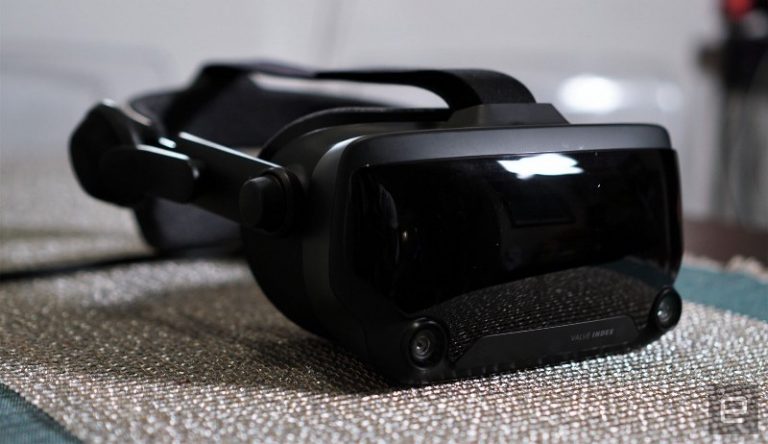
Valve Index Review

Virtual reality is unique and has to offer much in the form of technological applications. It feature do indicate that it is worth the purchase.

What there is to know about virtual reality, its future, etc.? Right now there seem to be two paths: portable and self-contained headsets such as the Oculus Quest or those connected to computers and consoles such as the Rift and PlayStation VR. The valve is indeed clearly focusing on Index, its first VR hardware. This is what the Valve Index review is all about.
The Index package costs$999, thus being out of reach for most people. Excellent image quality.

Unique features of Valve Index:

• Realistic presence
• Incredibly comfortable headset
• Finger-tracking controllers do add a new level of immersion
• Priced only for pros
• Very stable motion and space tracking
• Inconvenient wired connection
• External sensors are a pain to set up

The Valve Index does consist of a next-generation PC VR headset. It does deliver excellent image quality, believable VR presence and it has indeed a revolutionary pair of motion-tracking controllers. It is very expensive, but its innovations are cheaper. Valve Index review does involve these aspects.

Finger-tracking Valve Index

Know more about controllers the Valve has rather been testing them for years under the code name “Knuckles,” which refers to finger tracking. They do not look anything such as the Oculus Rift or HTC Vive’s motion gamepads: Instead of holding them, one has to slide one’s fingers under a microfiber strap, which does secure the controller to one’s hand. It is better to judge for oneself by valve index review whether the Valve is appropriate for oneself or not.

They do rely on 87 sensors to track one’s finger movements, which does open the door for new types of VR interactions. The mere act of grabbing as well as holding things in VR does feel more real with the Index controllers. There is also much pressure sensitivity, which allows games to detect.

So far, there are nearly 40 games such as Space Pirate Trainer, Arizona SunshineandSuperhot.

Valve Index Review

The refined PC VR headset

As for the Index headset itself, it does not look much different than the Rift or Vive. But there are indeed some notable upgrades. It is comfortable and one can secure it by turning a dial. There is no awkward velcro to fight with, such as the ones available on the Rift and Vive.

A microfiber cloth does surround the eyepiece and rear head strap. There also happens to be a dial to adjust the distance of the lenses to one’s eyes, which is quite helpful if one is wearing glasses. Rather than headphones, the Index has two near-field speakers, which does produce high-quality sound without even touching one’s ears.

It also does feature two RGB LCDs each running at 1,440 by 1,600 pixels rather than lower-resolution OLED panels on first-gen headsets. Valve does feature LCDs as well as 50 percent more sub-pixels, which will make it sharper than an OLED panel at the same resolution.

The new displays can also run at 120Hz or 144Hz, a huge leap beyond the 90Hz refresh rate. While Oculus focuses on making its tech cheaper and easier to consume, Valve is taking the exact opposite approach.

The Index also does offer far better image persistence than first-gen headsets.
Upfront, the Index consists of two cameras and a notch with a USB 3.0 port hidden underneath the faceplate.

As the Index is a Steam VR headset, the entire setup process happens to be as the Vive’s.

Artificial Intelligence for Counterterrorism

The recent debate between the Associated Press and Facebook about the success of removing content posted by terrorist organizations should be a wake-up call concerning content moderation capabilities on these kinds of platforms. Facebook data indicates the removal of 99% of terrorism content, while AP contends that Facebook’s success is only 38%. The point here is that machine learning adds a limited capability to human content mediation. The current state of the art in machine learning in this area is far from meeting expectation and is a fantasy, created around the magical tool of artificial intelligence (AI).

Terrorist networks will continue to exploit advanced technology in the areas of social network mapping and terrorist recruitment to benefit from the AI arms race. New AI technology in drones, among other things, will result in the production of cheap versions of them and that may easily fall into the hands of terrorists. There is no doubt that terrorist groups like ISIS will attempt to utilize all possible means to pursue terrorist activities. The gaps in content moderation in social media and communication networks will constitute opportunities for ISIS and others as well

Machine learning has a technology aspect, a social context, and an industry dimension. On the one hand, it is a product of high technology and a market for it. The social context is where it impacts the daily lives of people. In this sense, there is a growing AI intervention with an influence on the socio-economic conditions of people. This is an evolving phenomenon, which requires social, political, legal and ethical evaluations, in addition to technology.

Machine learning relies on algorithms that are known as classifiers. The classifier needs to be trained by data and works better if the difference in data, no matter how massive it is, clearly shows it. As it is fed by labeled categories, it is fragile against unforeseen conditions. It does not have a cognitive ability comparable to humans in this sense. That is why one would not expect machine learning to be able to respond to the complexities of societal and cultural value settings. The automated tools in one setting may be fragile in others. However, it is also next to impossible to monitor contents at today’s scale of social media and relevant platforms only with human capability. The need for machine learning is obvious.

The uploaders of content are aware of the deficits of machine learning enhanced tools. They develop measures to bypass the filters of automated tools. They may modify the content until they reach the goal of staying on the platform as much as possible. Human probes would help automated tools to discover blind spots. However, the idea of creating efficient filters may not always be possible. The industry dimension of machine learning does not like to disappoint customers. Providers may be faced with considerable fines/penalties if they cause government dissatisfaction in the case of benign posts. This situation results in over-filtering which puts machine learning to the side of “artificial” rather than the desired component of “intelligence” in content management.

As an example of what content mediation requires is Christchurch’s shooter first provided a manifesto to his supporters through a private communication channel. He used a Facebook live stream to spread violent media. This video was multiplied by his supporters. Facebook removed the content as soon as it was recognized. The copied content of video and manifesto was edited countless times to bypass filters and continuously uploaded to reach out to the widest possible audience. There is a learning process among the transnational terrorist networks and ISIS shares this process too. They improve and innovate to exploit weaknesses as well. What is needed here is to prevent the emergence of such content before it goes viral on these platforms? The problem with preventive measures is the risk of creating an unnecessary bubble in benign content identification.

The deletion of the historical record in this process is also problematic as it may be used for research to develop a better grasp of terrorist structures. Although this problem can be solved through time-limited archives of moderated content, the real problem of removing benign content remains the essence of the problem. There is an expectation for companies to limit content, develop recognition systems and pursue operations within the confines of the legal systems. The public-private and private-private partnerships, and public debate on content mediation will open up space for a necessary socio-political and industry/business environment, and better coordination against various forms of terrorism-related content abuses.

ISIS declares new provinces from Africa to Asia, the Middle East to Central Asia. It sent blessings to allegedly loyal groups after its defeat in Syria. ISIS or any other terrorist network does not have anything close to its own Silicon Valley. However, they benefitted from the weaknesses and deficits of the content sharing platforms and AI produced tools. For example, they may benefit from recommendation engines, which can deliver extremist content to large audiences.

The automated tools are necessary since the control or mediation of the amount of content is beyond the capability of human teams. Machine learning is fragile and human teams are vulnerable against massive data. We have no option but to put all available capabilities into better use, in this case, machine learning for counterterrorism with recognition of deficits and weaknesses. Consequently, machine learning is a necessary component of this struggle with the use of human cognitive capabilities to grasp the dynamics, alternatives and prospective terrorist activities, including those of ISIS and others as well.

AI CUM DATA SCIENCE ACQUISITIONS PLUS MERGERS BY GOOGLE

Google has acquired data science and has got itself involved in mergers off late which have indeed proved a boon to the technology world. Google has evolved itself well.

As one come across vital economic changes, mergers, as well as acquisitions that happen to be basic business tools that embrace several companies, are useful indeed. In the present fast-paced digital transformation, tech-savvy companies are going in for this tool for growth, survival, as well as innovation. Google successfully managed to have successful relations with business firms to attain technology supremacy above all. With the emergence of artificial intelligence and data science across multiple sectors as well as industries, much has been in offing. This is what AI and Data Science Acquisition and Mergers by Google is all about.

AI CUM DATA SCIENCE ACQUISITIONS PLUS MERGERS BY GOOGLE

Kaggle

Google has managed to acquire Kaggle which is a platform that does host data science and ML competitions) which have been officially announced. Google plans to join its cloud utilizing the skills of Kaggle team in ML training and deployment services. This will indeed lead to a collaboration that will help in dataset storage and query technologies. Thus the focus is on AI and Data Science Acquisition and Mergers by Google

Halli Labs

Google has indeed acquired Indian Bengaluru-based startup Halli Labs for an amount which has not been declared. Google also hopes to apply AI/ML technologies to old as well as prevailing problems, Halli Labs does permit Google to process efficiently the real-world language by the virtue of NLP. This indicates a good business strategy.

AIMatter

Google hopes to excel in the field of computer vision and towards this goal it has acquired a Belarus-founded startup AIMatter. This has built a neural network-based AI platform as well as SDK to identify as well as process images rather quickly on mobile phones. Also, efforts have been made to develop a photo cum video editing app known as Fabby.

Onward

Onward, a small startup involved in building tools for businesses seeking automation has also be started by Google. This is indeed focused on business promotion and is also an AI-centered chat solution making use of NLP and ML technology to get customers what they need while making use of the resources of automation.

Alooma

Google has come up with Alooma which did manage to acquire and this helps organizations to be able to combine their entire data sources into services such as Google’s BigQuery, Redshift, Snowflake, and Azure. Alooma helps in migration to the cloud, cleaning up the data and later using it for AI/ML learning use cases.

Looker

In most recent time, Google did acquire BI platform, Looker for $2.6 billion all-cash deal. The reason for this hefty deal is to broaden Google’s portfolio in business intelligence as well as for analytics portfoliohttps://en.wikipedia.org/wiki/Portfolio along with data warehousing capabilities. The acquisition also does aim at boosting up the enterprise-oriented approach and thus being able to get hold of more customers. It is but obvious that AI and Data Science Acquisition and Mergers by Google does entail a lot.